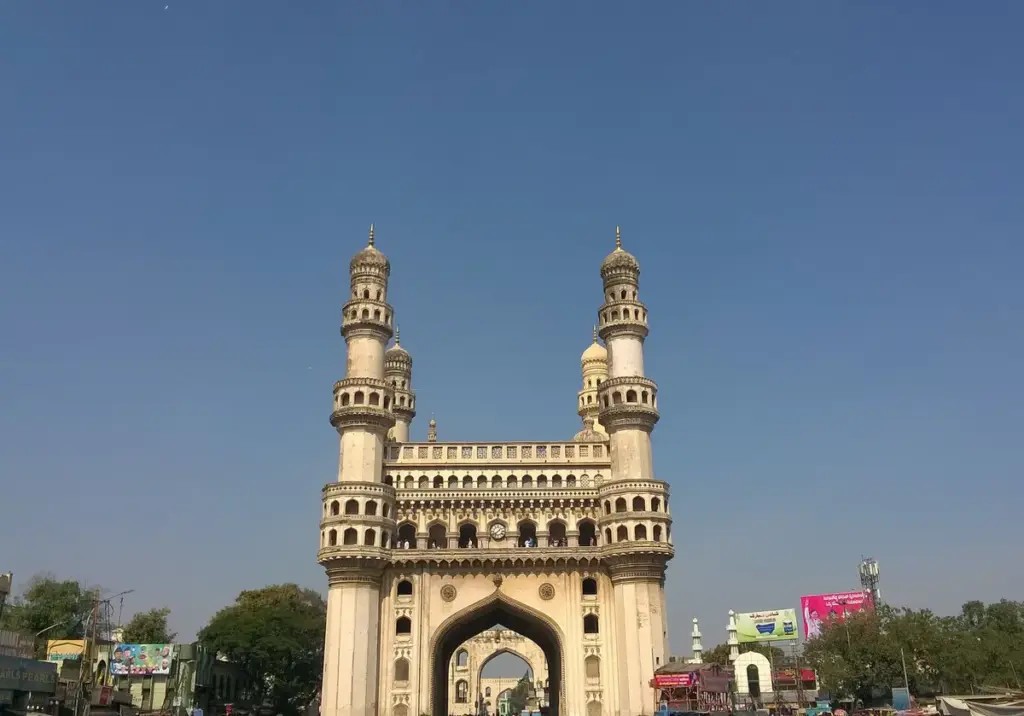
The Musi Riverfront Development Project in Hyderabad seeks to rejuvenate the Musi River and its surroundings, but it has sparked significant controversy.
The numbers
The Musi Riverfront Development Project (MRDP) aims to revive the Musi River and develop 55 km of the riverfront within Hyderabad’s limits. With an estimated cost for Phase 1 ranging between Rs. 6,500 to Rs. 7,000 crore, excluding land acquisition costs, the project is poised to significantly alter the landscape of the city.
The Telangana government plans to acquire 3,279.19 acres of land for the riverfront project, which will affect 10,017 structures. Critics have raised concerns about the lack of public consultation prior to the announcement of the masterplan, highlighting the government’s exemption of the entire MRDP from social impact assessments under a single government order.
As part of the MRDP, the government intends to construct the Gandhi Sarovar, a move that has faced backlash for being perceived as un-Gandhian. Tushar Gandhi, a descendant of Mahatma Gandhi, criticized the project, stating, “The project is too grandiose and not at all in keeping with Gandhian ideals of frugality and simplicity.” Residents have echoed similar sentiments, with one stating, “If Gandhi were alive, he would have joined us in protest.”
The Musi River has long been a dumping ground for the city’s sewage, industrial effluents, and solid waste. The MRDP includes plans for more sewage treatment plants (STPs) and flood management measures to address these longstanding issues. However, the specifics regarding the timelines for these sewage treatment works remain unconfirmed.
Environmental groups, such as Musi Jan Andolan (MJA), have voiced strong opposition to the project, arguing that “Concrete-heavy riverfronts do not improve the urban environment. They intensify climate change, urban heat, destroy vegetation, and reduce groundwater recharge.” This criticism underscores the broader concerns regarding the environmental impact of such large-scale urban development projects.
The government has assured that displaced individuals will not be relocated to far-off places, but the details of how this will be implemented remain vague. Additionally, the role of the Asian Development Bank (ADB) during the DPR’s preparatory stage is unclear, adding another layer of uncertainty to the project.
As the project progresses, observers are keenly watching how the government will address the concerns raised by residents and environmentalists. Details remain unconfirmed regarding the data and studies used to determine river and buffer zone boundaries, leaving many questions unanswered about the project’s long-term implications for Hyderabad’s urban landscape.