Introduction to the World’s Tallest Buildings The skyscrapers that scrape the sky are more than just architectural feats; they are symbols of progress, ingenuity, and the ever-evolving skyline of our cities. As urban populations continue to grow and technology advances, the race to build taller structures has become a defining aspect of modern architecture. The
Introduction to the World’s Tallest Buildings
The skyscrapers that scrape the sky are more than just architectural feats; they are symbols of progress, ingenuity, and the ever-evolving skyline of our cities. As urban populations continue to grow and technology advances, the race to build taller structures has become a defining aspect of modern architecture. The world’s tallest buildings not only serve as landmarks but also impact economies and urban planning, making their study relevant to cities worldwide.
Current Tallest Buildings
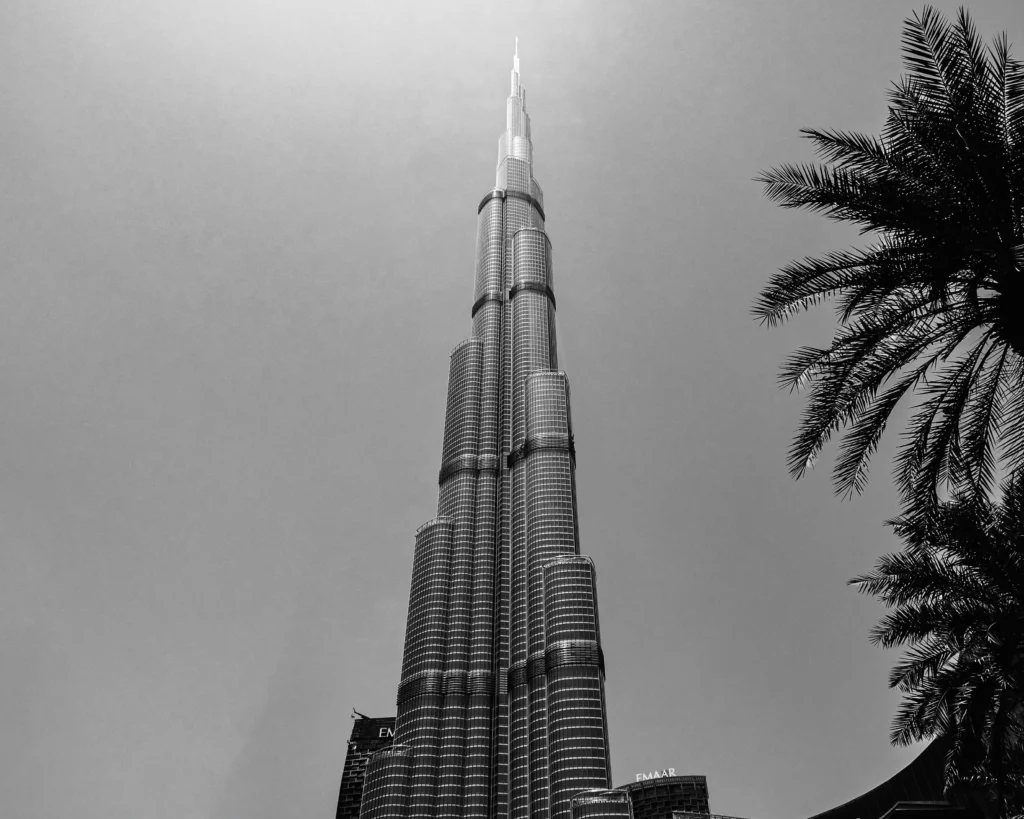
As of 2023, the Burj Khalifa in Dubai holds the title of the tallest building in the world, standing at a staggering 828 meters (2,717 feet). Completed in 2010, this architectural marvel boasts 163 floors and features a unique design that combines traditional Islamic architecture with modern aesthetics.
Following closely is the Shanghai Tower in China, which reaches 632 meters (2,073 feet) and is recognized for its twisting shape, designed to withstand typhoon winds. This building was completed in 2015 and serves not only as a corporate hub but also offers observation decks that attract millions of tourists.
Other Notable Structures
Rounding out the top three is the Abraj Al Bait Clock Tower in Mecca, Saudi Arabia, which stands 601 meters (1,971 feet) and features a large clock visible from miles away. This building is part of a government project to provide accommodations for Muslims visiting the holy city.
Additional notable skyscrapers include the Ping An Finance Center in Shenzhen, measuring 599 meters (1,965 feet), and the Lotte World Tower in Seoul, which reaches 555 meters (1,819 feet). Both buildings are significant not just for their height but also for their architectural innovations and roles in their respective urban landscapes.
Significance of Tall Buildings
The construction of these towering structures has far-reaching implications. They contribute to economic growth by attracting businesses and tourism, influencing real estate dynamics, and often becoming icons that define the cities in which they are located. Moreover, the engineering challenges associated with building tall—such as managing wind loads and ensuring earthquake resistance—drive advancements in construction technologies.
Conclusion
As we look to the future, the trend of constructing taller buildings shows no signs of slowing down. With designs already proposed that aim for even greater heights, the next decade may witness groundbreaking achievements in architectural design and engineering. The world’s tallest buildings not only highlight human creativity but also embody the challenges of urbanization and the quest for sustainability in an increasingly crowded world.