Introduction The annular solar eclipse, a rare celestial event where the moon obscures the center of the sun, leaving a bright ring-like structure visible, is set to capture the attention of millions across North America on October 14, 2023. As one of the most anticipated astronomical events this year, it offers both scientific significance and
Introduction
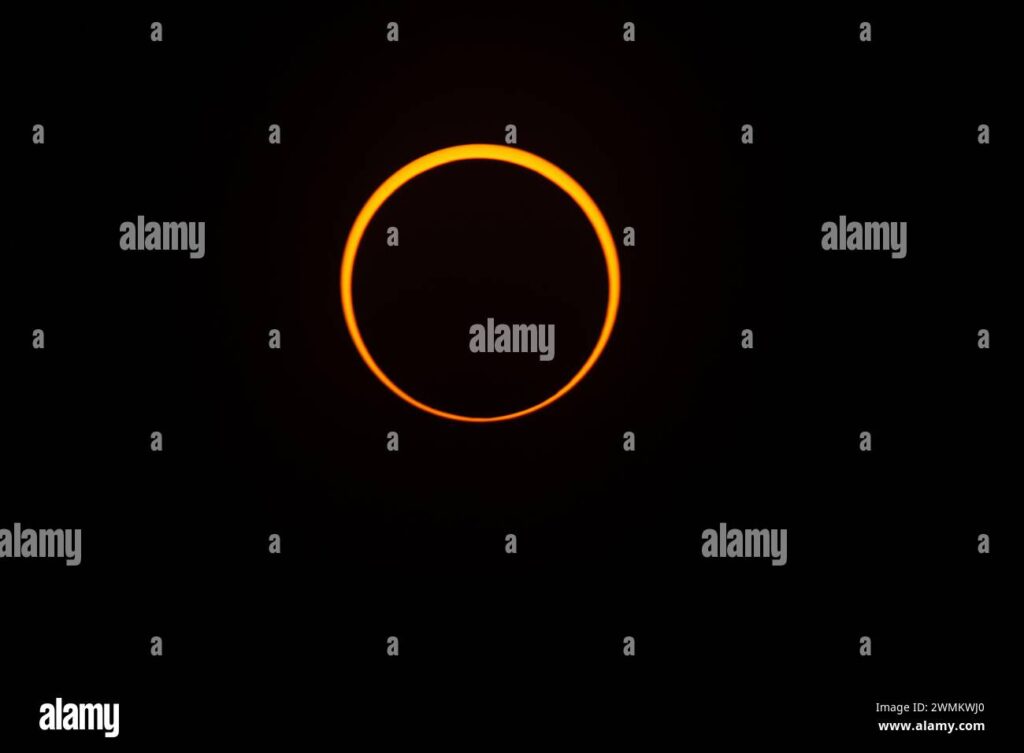
The annular solar eclipse, a rare celestial event where the moon obscures the center of the sun, leaving a bright ring-like structure visible, is set to capture the attention of millions across North America on October 14, 2023. As one of the most anticipated astronomical events this year, it offers both scientific significance and breathtaking views for skywatchers. Understanding this phenomenon can help enthusiasts and casual observers prepare for an unforgettable experience.
What is an Annular Solar Eclipse?
An annular solar eclipse occurs when the moon passes between Earth and the sun, but the moon is too far away from Earth to completely cover the sun’s disk. As a result, an annular eclipse creates a solar ring, often referred to as the ‘ring of fire.’ This spectacular sight can be observed only along a narrow path where the annularity is visible.
Upcoming Event on October 14, 2023
This year’s annular solar eclipse will span parts of the western United States, Central America, and South America. The path of annularity will start in Oregon at approximately 9:13 AM PDT and will travel southeast before exiting the U.S. in Texas around 12:24 PM CDT. States including California, Nevada, Utah, Arizona, and New Mexico will witness this rare occurrence. In areas outside the path of annularity, up to 90% of the sun will still be obscured, creating a significant partial eclipse experience.
Viewing Safety and Preparations
Safety is paramount when viewing any solar eclipse. Observers are reminded to wear ISO-certified solar viewing glasses to protect their eyes from harmful solar radiation. Regular sunglasses are not sufficient. Additionally, with the increased interest in this celestial event, it is advisable to plan viewing locations in advance, as certain areas may become crowded.
Significance for Science and Skywatchers
Beyond the awe-inspiring visuals, solar eclipses have historically helped astronomers study the sun’s corona and test theories of relativity. Modern technology enhances the celebration, with live-streaming and various scientific instruments used to gather valuable data. For many, witnessing the annular solar eclipse is a chance to connect with the cosmos and inspire future generations of scientists and astronomers.
Conclusion
The upcoming annular solar eclipse on October 14 is not just a visual spectacle; it is a reminder of the wonders of our universe. As preparations unfold, both seasoned astronomers and amateur skywatchers are eager to be part of this significant event. By adhering to safety measures and planning ahead, everyone can enjoy this celestial wonder while fostering a greater appreciation for astronomy.