Introduction The FIFA World Cup 2026 marks a significant milestone in global sports, set to be held across three North American countries: the United States, Canada, and Mexico. This is the first World Cup to feature an expanded format with 48 teams, compared to 32 in previous editions. The event is anticipated to attract millions
Introduction
The FIFA World Cup 2026 marks a significant milestone in global sports, set to be held across three North American countries: the United States, Canada, and Mexico. This is the first World Cup to feature an expanded format with 48 teams, compared to 32 in previous editions. The event is anticipated to attract millions of spectators and generate immense economic activity, making it a crucial topic for fans, investors, and policymakers alike.
Details of the Event
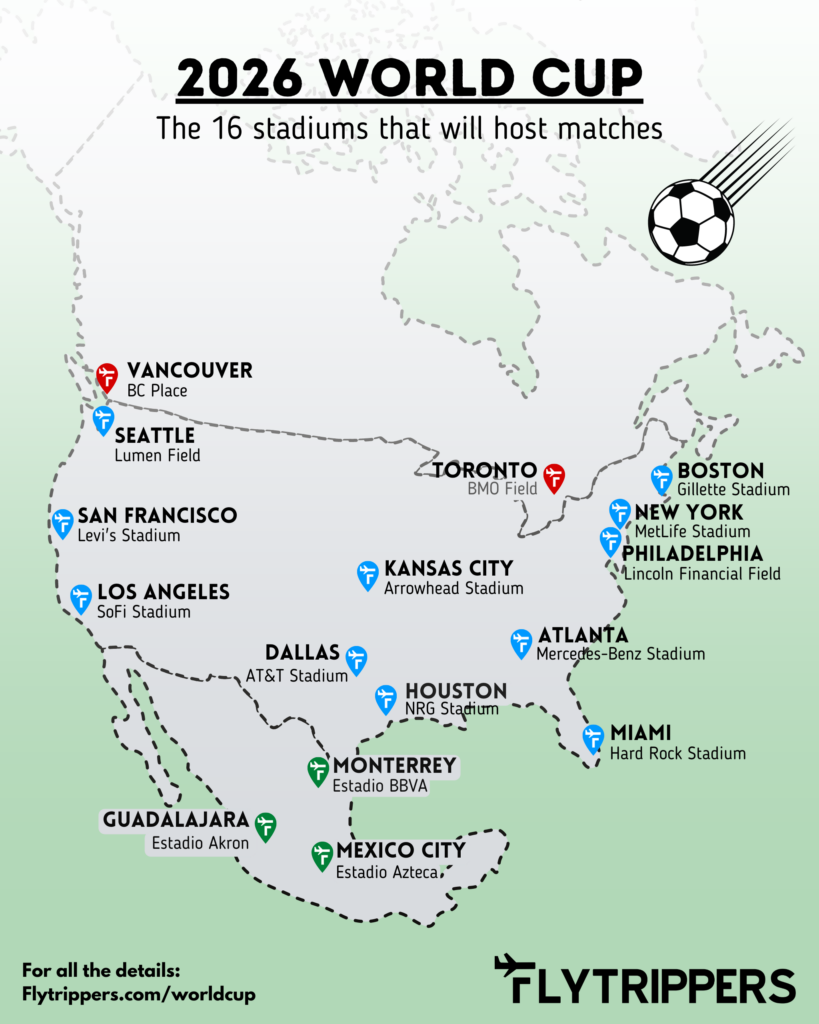
The tournament is scheduled to take place from June to July 2026 and will be the first World Cup hosted by three nations simultaneously. The United States is expected to host the majority of matches, with major venues including New York City, Los Angeles, Dallas, and Miami. Canada and Mexico will also host a selection of matches, making this a truly continental event.
In preparation for the tournament, cities across the host nations are investing in infrastructure improvements, including stadium upgrades, transportation enhancements, and cybersecurity measures. The total investment for the entire event is projected to exceed $5 billion, which will not only prepare the venues for the World Cup but will also foster long-term benefits for local economies.
Significance of the Tournament
The FIFA World Cup is the world’s most-watched sports event, and the 2026 edition is expected to break viewership records, drawing fans from all corners of the globe. The expanded format will provide greater representation for countries that have historically struggled to qualify, broadening the narrative of international football.
Additionally, this World Cup is poised to leave a lasting legacy, particularly in the realm of youth development in soccer in North America. In the lead-up to the event, initiatives are being launched to promote soccer at the grassroots level, aiming to inspire the next generation of players and fans.
Conclusion
The FIFA World Cup 2026 promises to be a landmark event in sports history, highlighting the growing popularity of soccer in North America. As host nations gear up to welcome the world, experts predict that the tournament will not only boost the economy but also strengthen cultural ties and promote inclusivity in sports. Fans and participants alike are looking forward to an unforgettable festival celebrating global football.