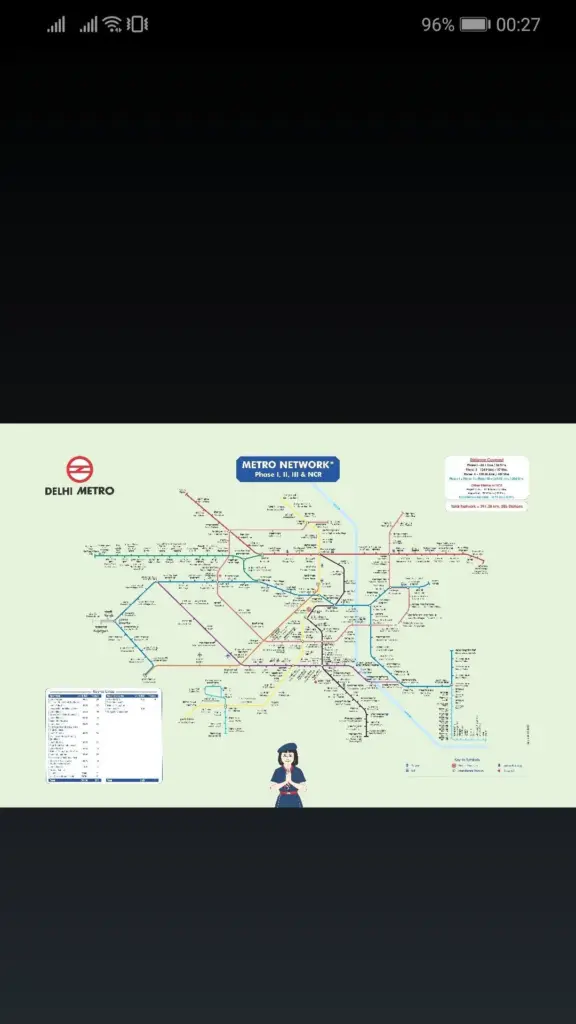
The recent inauguration of new corridors in the Delhi Metro marks a significant development in urban transportation, improving connectivity across the city.
Before the Expansion
Before 2013-14, India had only about 245 kilometres of metro network across five cities, which limited the public transport options available to residents in urban areas. The Delhi Metro, however, was already a crucial part of the city’s infrastructure, providing a reliable means of transportation to millions of commuters. Yet, the demand for more extensive connectivity was evident as the population grew and urban areas expanded.
Decisive Changes
Recently, Prime Minister Narendra Modi inaugurated two new corridors of the Delhi Metro, marking a pivotal moment in the city’s transportation landscape. The Majlis Park-Maujpur Babarpur corridor stretches approximately 12.3 km, while the Deepali Chowk-Majlis Park corridor covers about 9.9 km. Together, these new sections contribute to a total investment of around ₹33,500 crore for the projects, with ₹18,300 crore specifically allocated for the new metro corridors.
Immediate Effects
The introduction of these corridors is set to benefit several areas, including Burari, Bhajanpura, and Yamuna Vihar, significantly improving connectivity for residents traveling between Noida, South Delhi, and the airport. The Pink Line will now extend to about 71.56 km with the addition of these new sections, further enhancing the reach of the metro network.
Expert Perspectives
Experts have noted that the metro rail has become the lifeline of Delhi, helping commuters save considerable travel time. Manohar Lal, a transportation expert, emphasized the importance of the metro in easing congestion on the roads. Rekha Gupta, an engineering specialist, remarked, “These metro corridors are also significant achievements from an engineering perspective,” highlighting the complexity and innovation involved in their construction.
Broader Implications
The expansion of the Delhi Metro is part of a broader effort to modernize government housing colonies, which includes a redevelopment plan that will provide more than 9,350 modern flats for government employees. This initiative not only addresses housing needs but also integrates urban planning with transportation infrastructure.
Environmental Considerations
In addition to enhancing urban mobility, the government is also focusing on environmental sustainability. Prime Minister Modi stated, “The government is also working on a large scale to clean the Yamuna, with projects worth crores of rupees underway.” This commitment to environmental health complements the transportation improvements, aiming for a holistic approach to urban development.
Future of Delhi Metro
The metro rail network in India has expanded to around 1,100 km, reflecting a significant growth trajectory since its inception. As the Delhi Metro continues to evolve, it is poised to play an even more critical role in shaping the future of urban transportation in the capital and beyond. The ongoing developments signal a commitment to improving public transport and addressing the challenges of urbanization.