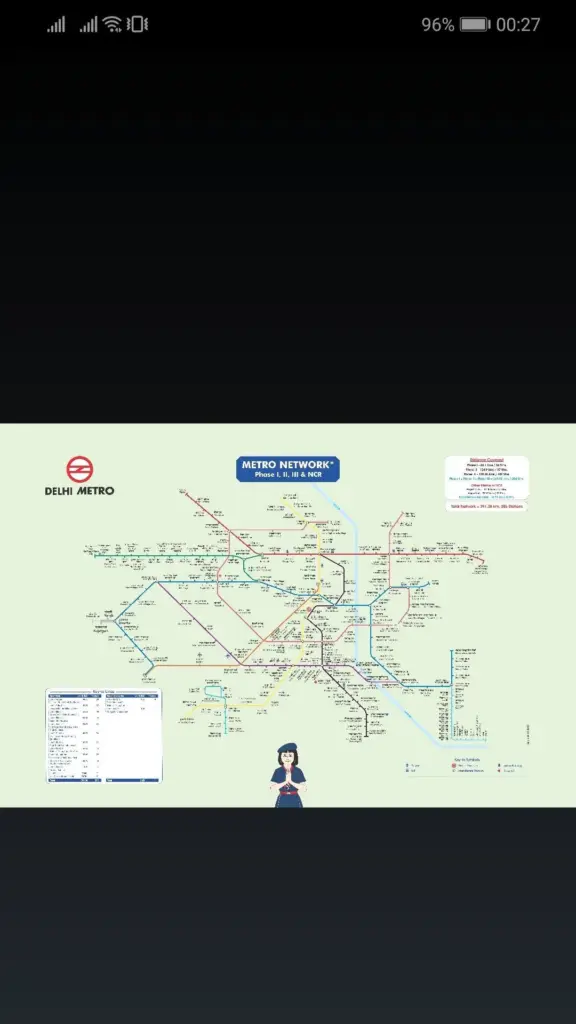
The recent inauguration of new corridors in the Delhi Metro signifies a transformative shift in urban transportation, improving connectivity for residents.
Transforming Urban Mobility
Before the recent developments, the Delhi Metro was already a vital component of the city’s transportation infrastructure, having expanded significantly over the past 11 years. With a network that reached approximately 1,100 km, it served as a lifeline for millions of commuters. However, the need for further expansion was evident, particularly in areas that remained underserved.
New Developments and Immediate Impact
The decisive moment came when Prime Minister Narendra Modi inaugurated two new corridors of the Delhi Metro, marking a significant milestone in urban mobility. The Majlis Park-Maujpur Babarpur corridor, approximately 12.3 km long, and the Deepali Chowk-Majlis Park corridor, measuring 9.9 km, are set to enhance connectivity for residents in regions such as Burari, Bhajanpura, and Yamuna Vihar. The total investment for these projects is around Rs 33,500 crore, with Rs 18,300 crore specifically allocated for the new metro corridors.
Broader Implications for Commuters
The expansion of the metro network is expected to have direct effects on the daily lives of commuters. Housing and Urban Affairs Minister Manohar Lal noted that the metro rail has become essential for Delhi, helping commuters save considerable travel time. The new routes will facilitate easier travel between Noida, South Delhi, and the airport, significantly improving the ease of living for the city’s residents.
Engineering Achievements and Future Prospects
Experts have highlighted the engineering significance of these new metro corridors. Rekha Gupta remarked that these projects are not only infrastructural advancements but also represent significant achievements from an engineering perspective. The Pink Line will now extend to about 71.56 km with the addition of these new sections, further integrating the metro into the urban landscape.
Modernization of Housing and Infrastructure
The metro expansion is part of a broader initiative to modernize government housing colonies, which includes a redevelopment plan providing over 9,350 modern flats for government employees. This holistic approach aims to enhance the living conditions of residents while simultaneously improving transportation options.
Contextualizing the Growth of the Metro Network
Historically, the metro network in Delhi has seen remarkable growth, expanding from just 245 km before 2013-14 to its current length of 1,100 km. This rapid expansion reflects the increasing demand for efficient public transport solutions in one of the world’s most populous cities. The construction of a new bridge across the Yamuna River is another critical aspect of this development, further enhancing connectivity.
Empowering Communities and Future Directions
Prime Minister Modi emphasized that these projects contribute to a new chapter in women empowerment, highlighting the role of women in the country’s development. As the metro continues to grow, it is poised to play an even more significant role in shaping the urban landscape of Delhi, fostering economic growth and improving the quality of life for its residents.