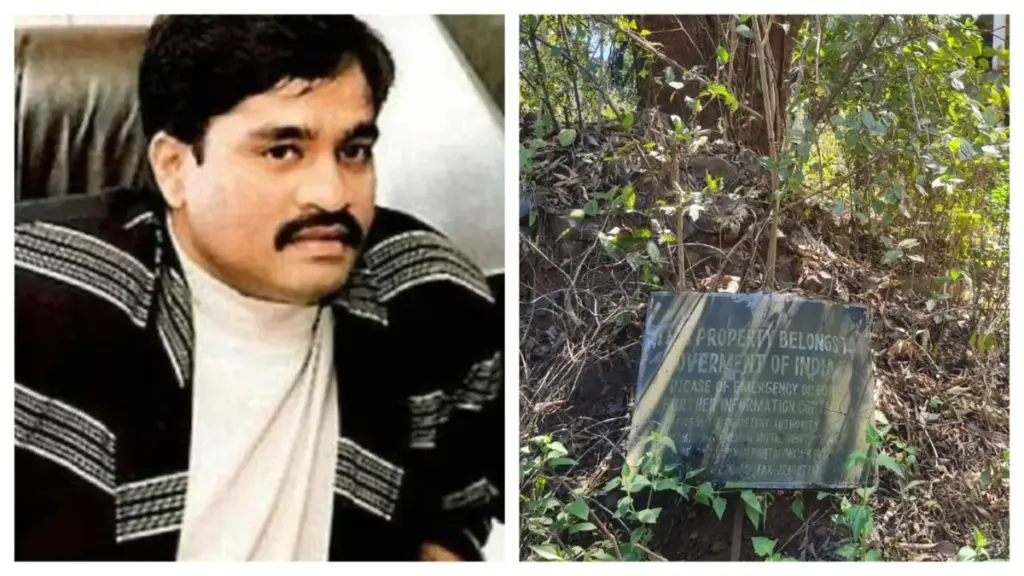
Dawood Ibrahim’s properties in Ratnagiri have been auctioned, highlighting ongoing efforts to dismantle criminal networks.
Reaction from the field
The recent auction of Dawood Ibrahim’s properties in Ratnagiri, Maharashtra, marks a pivotal moment in India’s ongoing battle against organized crime and terrorism. This event, which took place on March 5, 2026, has significant implications for the government’s efforts to dismantle the financial networks of notorious criminals. The auction is viewed as a key step in liquidating assets linked to criminal enterprises, with the successful sale of four agricultural plots serving as a testament to these efforts.
The properties auctioned were registered in the name of Ibrahim’s mother, Amina Bi, and were seized under the Smugglers and Foreign Exchange Manipulators (Forfeiture of Property) Act (SAFEMA). This legal framework allows the government to confiscate assets linked to individuals involved in smuggling and other illegal activities. The auction drew interest from two buyers, with one securing a single plot and another acquiring three plots, although their identities remain undisclosed.
This auction follows several failed attempts to sell these properties, indicating the complexities involved in dealing with assets tied to high-profile criminals. The reserve price for one of the plots was set at 9 lakh, while the final sale price reached 10 lakh, showcasing the financial stakes involved. In a previous auction in 2024, one of the plots was sold for 2.01 crore, reflecting the potential value of these assets.
Dawood Ibrahim, who orchestrated the 1993 Mumbai serial blasts that resulted in the deaths of over 250 people, has been a significant figure in India’s fight against terrorism. He has been listed as a Specially Designated Global Terrorist by the United States since 2003 and is believed to be associated with Al-Qaeda, running a narco-terror empire. Despite numerous reports regarding his health and whereabouts, his death has never been officially confirmed, leaving many questions unanswered.
The recent auction has also coincided with renewed public interest in Dawood Ibrahim, particularly following the release of the film “Dhurandhar 2” by director Aditya Dhar, which portrays a character implied to be based on him. This resurgence of interest highlights the ongoing fascination with Ibrahim’s life and criminal activities, as well as the broader implications for society.
India’s ambassador to the United Nations remarked, “Dawood Ibrahim’s D-Company started out as a gold smuggling and counterfeit currency racket, but transformed into a terrorist entity when it orchestrated the 1993 Mumbai serial blasts that killed more than 250 people.” This statement underscores the evolution of Ibrahim’s operations and the significant impact of his criminal activities on the nation.
As the government continues its efforts to liquidate properties linked to criminal networks, the successful auction of Dawood Ibrahim’s assets represents a notable achievement. However, uncertainties remain, particularly regarding the identities of the buyers and the status of Ibrahim’s health and whereabouts. Details remain unconfirmed, leaving the public and authorities alike awaiting further developments in this ongoing saga.