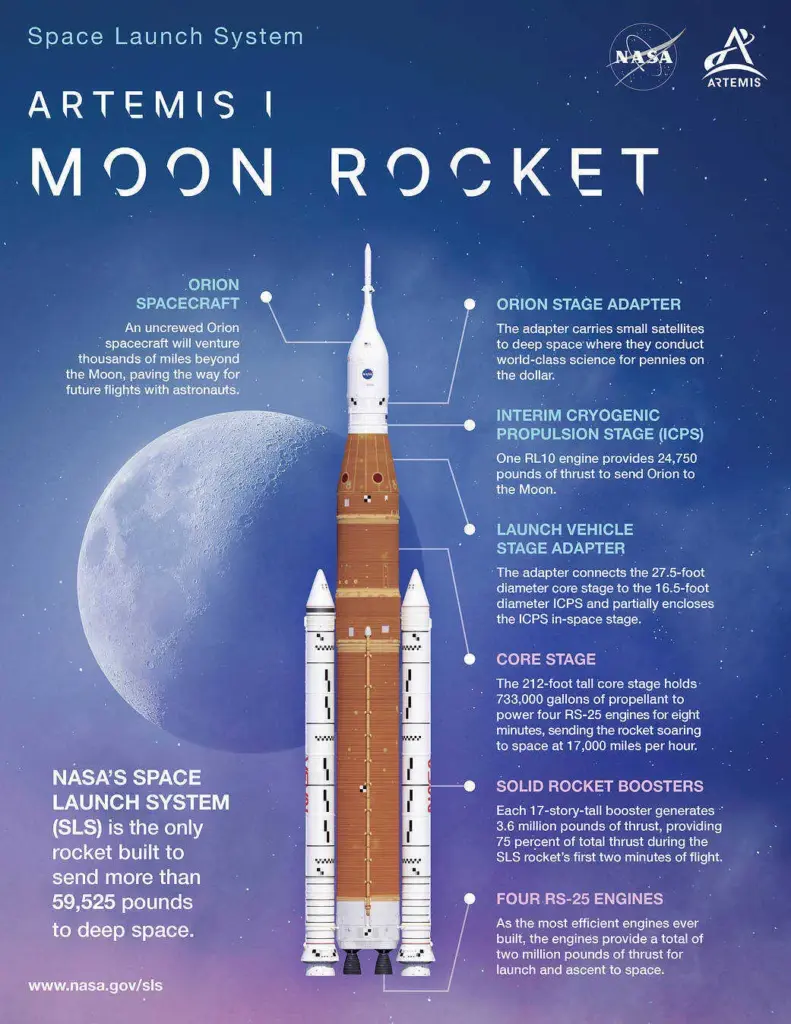
The Artemis 2 mission, launching on April 1, 2026, will carry an international crew to the Moon, marking a significant milestone in space exploration.
Reaction from the field
The upcoming Artemis II launch, scheduled for April 1, 2026, is poised to be a landmark event in space exploration. This mission not only represents a significant return to crewed lunar travel after 53 years but also carries a diverse four-member international crew, including the first woman and the first person of color to embark on a lunar trajectory. The stakes are high, as this mission will pave the way for future lunar exploration and potential human settlement on the Moon.
The Artemis II mission will last approximately 10 days, during which the crew will execute a high-velocity mission around the Moon, although it will not involve a lunar landing. This ambitious endeavor is part of NASA’s broader Artemis program, which aims to establish a sustainable human presence on the Moon and eventually prepare for human missions to Mars.
As the countdown for the launch began on March 30, 2026, NASA teams have been diligently preparing for this historic flight. The agency has initiated the liquid oxygen (LOX) topping process for the interim cryogenic propulsion stage, a crucial step in ensuring the rocket’s readiness. With the weather briefing complete, both the crew and ground teams are aligned and ready to continue toward liftoff.
The Artemis II mission is noteworthy not only for its crew composition but also for the technology involved. The Space Launch System (SLS) rocket, which will carry the crew, stands at an impressive 32 stories tall, representing the culmination of years of development and testing. This rocket is designed to provide the necessary power and capability to send astronauts beyond low Earth orbit, a significant leap in human spaceflight.
NASA’s commitment to transparency and public engagement is evident, as the launch will be broadcasted live on multiple platforms, including NASA+, Amazon Prime, and YouTube. This approach aims to inspire a new generation of space enthusiasts and provide real-time updates on the mission’s progress.
As the launch date approaches, excitement continues to build within the space community and among the general public. The Artemis II mission is seen as a critical step in NASA’s efforts to return humans to the Moon and establish a long-term presence there. The successful execution of this mission could lead to a renewed interest in space exploration and the potential for international collaboration in future missions.
Details remain unconfirmed regarding any last-minute changes to the launch schedule or crew composition. However, the current trajectory suggests that Artemis II will mark a new chapter in human spaceflight, with implications that extend far beyond the Moon.