Introduction Clavicular injuries, particularly fractures, are common occurrences in both sports and everyday activities. The clavicle, or collarbone, is a slender bone that connects the arm to the body and runs horizontally along the top of the chest. Understanding the causes, symptoms, and treatment options for clavicular injuries is essential not only for athletes and
Introduction
Clavicular injuries, particularly fractures, are common occurrences in both sports and everyday activities. The clavicle, or collarbone, is a slender bone that connects the arm to the body and runs horizontally along the top of the chest. Understanding the causes, symptoms, and treatment options for clavicular injuries is essential not only for athletes and healthcare professionals but also for the general public to prevent complications and ensure proper healing.
Causes and Symptoms of Clavicular Injuries
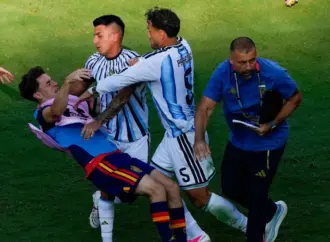
Clavicular fractures often result from direct impacts, such as falling onto an outstretched arm, or traumatic events like collisions in contact sports. Other factors, including osteoporosis, can predispose individuals to fractures with minimal trauma. Symptoms of clavicular injuries may include pain at the site of the injury, swelling, bruising, and a difficulty in moving the arm or shoulder.
Diagnosis and Treatment Options
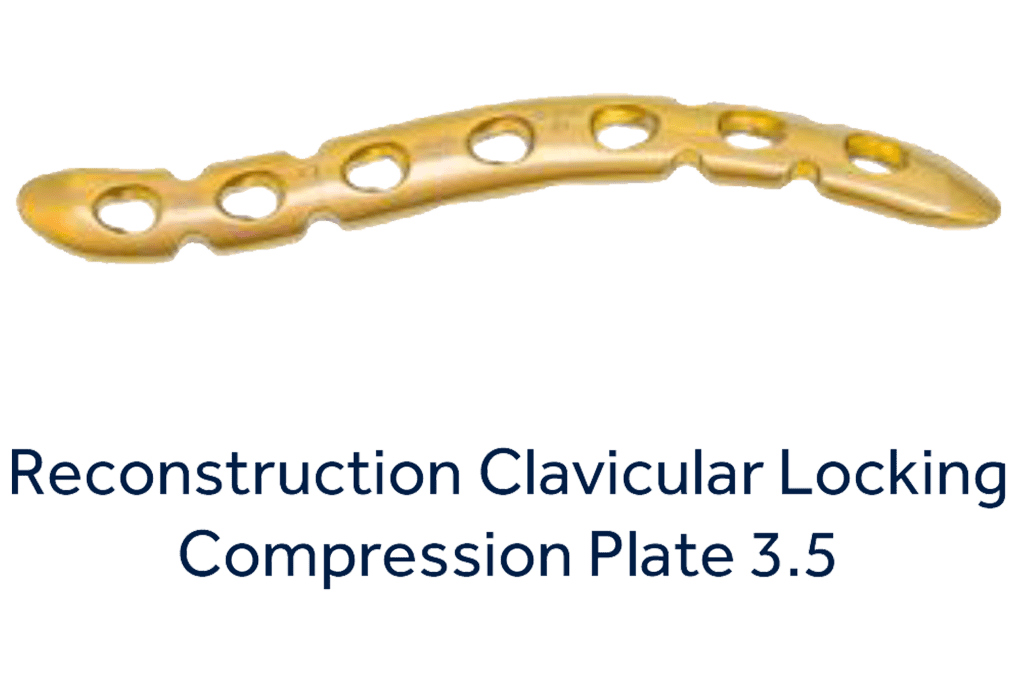
Diagnosis typically involves a physical examination and imaging tests like X-rays or CT scans to assess the injury’s extent. Treatment for clavicular fractures depends on the fracture’s type and severity. Non-surgical management is common for most fractures, involving the use of a sling to immobilize the arm, managing pain with medications, and engaging in physical therapy as the fracture heals. In more severe cases, particularly where the bones are displaced, surgical intervention may be required to realign and stabilize the clavicle with plates or screws.
Recovery and Rehabilitation
Recovery from a clavicular fracture generally takes between 6 to 12 weeks, depending on the severity of the injury and the patient’s overall health. Rehabilitation plays a crucial role in ensuring complete recovery. Patients are often encouraged to begin gentle movements and strengthening exercises as guided by a healthcare professional once at a safe stage in their recovery, to restore mobility and shoulder function.
Conclusion
Clavicular injuries, while common, can significantly impact an individual’s quality of life. Understanding the causes, prompt diagnosis, and appropriate treatment options is vital for effective recovery. With effective management strategies in place, individuals can expect to return to their daily activities and sports with confidence. Ongoing research continues to improve treatment modalities, enhancing recovery timelines and reducing the risk of long-term complications, thus emphasizing the significance of awareness in the prevention and management of clavicular injuries.