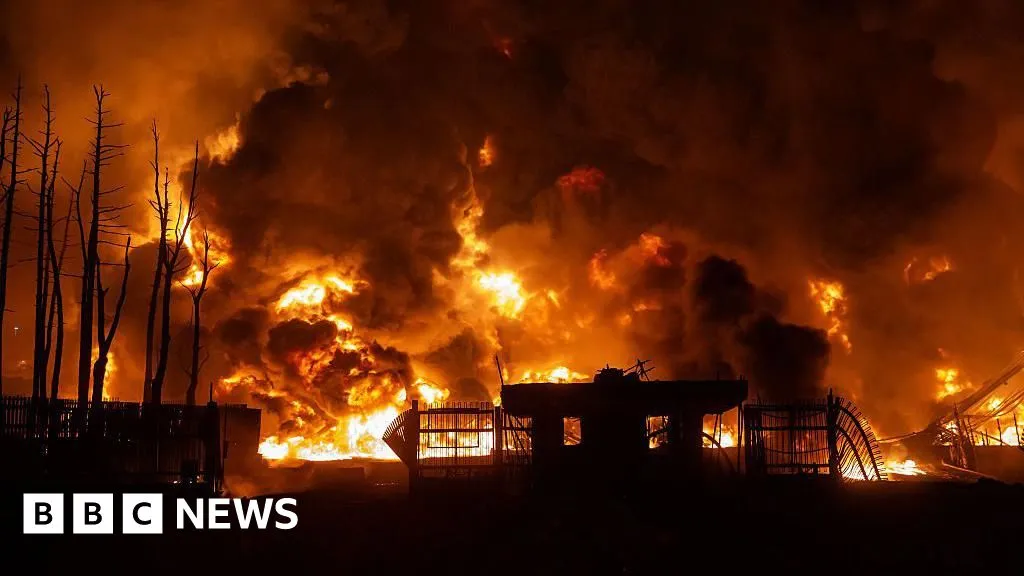
The recent missile and drone attacks on Abu Dhabi have significantly altered the security landscape, affecting both local and international communities.
Changing Expectations in Abu Dhabi
Prior to the recent escalation, the United Arab Emirates (UAE) was perceived as a relatively stable and secure nation in the Middle East. The country, part of a coalition that intervened in Yemen against the Houthis since 2015, had maintained a reputation for safety, attracting millions of expatriates, including approximately 3.5 million Indian nationals. The Indian community, in particular, had established a strong presence, contributing to the UAE’s economy and culture.
The Decisive Moment
However, this perception shifted dramatically following a series of missile and drone attacks. On March 10, eight ballistic missiles and 26 drones were launched at the UAE, marking a significant escalation in hostilities. The UAE Ministry of Defence reported that most of these missiles and drones were intercepted, but the attacks still resulted in injuries and damage. Two individuals were injured by falling debris in Abu Dhabi, and since the first strike on February 28, six people have lost their lives in the UAE due to these ongoing assaults.
Immediate Effects on Civilians
The impact on civilians has been profound. A family from Rajasthan, caught in the chaos, returned to India after witnessing the terrifying scenes of smoke rising from the attacks. Madan Gopal Baheti, a family member, expressed their fear, stating, “We were terrified to see smoke rising from missile and drone attacks in Abu Dhabi and Dubai.” This sentiment reflects the anxiety experienced by many expatriates in the region.
Impact on Infrastructure and Economy
In addition to civilian distress, the attacks have also affected critical infrastructure. The Ruwais refinery, one of the largest in the world, processing approximately 800,000 barrels of crude oil daily, was shut down due to a drone attack. The extent of the damage and the timeline for its restart remain unconfirmed, raising concerns about the potential economic repercussions for the UAE and its oil supply.
International Response and Diplomatic Relations
The international response has been cautious, with embassies, including the American Embassy in Abu Dhabi, remaining closed due to safety concerns. The situation has prompted discussions about the security of foreign nationals in the region, particularly among the Indian diaspora, who have expressed gratitude for the Indian government’s efforts to assist them during this crisis. Raunak, a family member of those affected, noted, “The Indian diaspora has a strong presence abroad. We also thank the Indian government for bailing us out of trouble.”
Expert Perspectives
Experts have highlighted the significance of these attacks in the broader context of regional tensions. The Houthis, who have claimed responsibility for the strikes, are seen as a growing threat to the UAE’s security. The phrase, “Nine drones are landing inside your country. In one day. After eleven days of this,” encapsulates the urgency and seriousness of the situation, underscoring the potential for further escalations.
As the situation continues to develop, the implications of the Abu Dhabi missile attack extend beyond immediate security concerns, affecting diplomatic relations and the lives of countless individuals. Details remain unconfirmed regarding the full extent of the damage and the future of the affected infrastructure, leaving many to navigate an uncertain landscape in the wake of these unprecedented attacks.