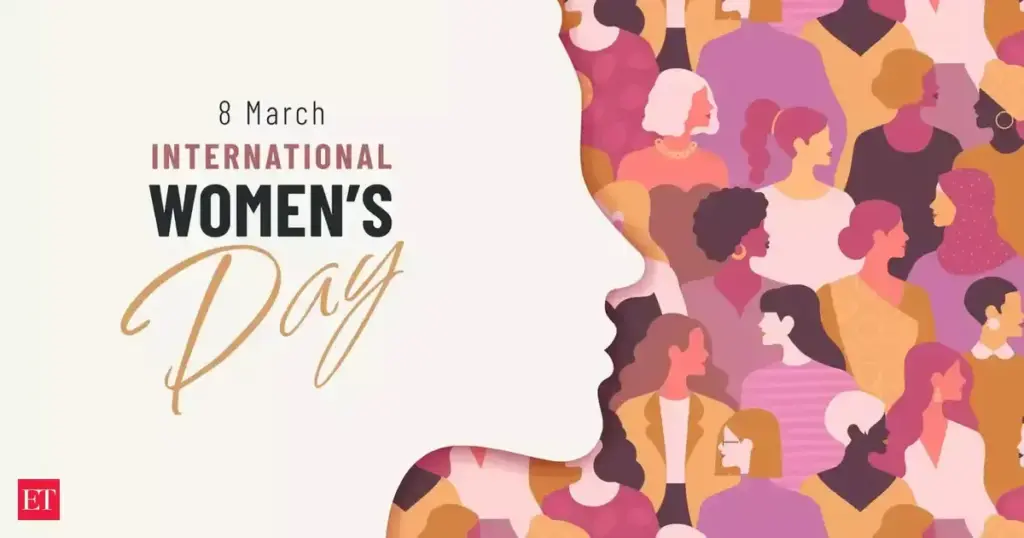
International Women’s Day 2026 marks a pivotal moment for gender equality, emphasizing rights and justice for women and girls worldwide.
Historical Context of International Women’s Day
International Women’s Day, celebrated on March 8, has its roots in early 20th-century labor movements in North America and Europe. This day has evolved significantly since the United Nations officially recognized it in 1977, linking it to a 1917 strike by women in Russia. Over the years, the focus has shifted towards advocating for women’s rights and gender equality globally.
Changing Expectations for 2026
As we approach International Women’s Day 2026, the expectations surrounding the event have transformed. The theme for 2026 is “Rights. Justice. Action For ALL Women and Girls,” reflecting a growing recognition of the need for comprehensive action to address systemic inequalities. This decisive moment underscores the urgency of addressing women’s rights, particularly in regions where gender disparities remain pronounced.
Immediate Impact and Statistics
In India, where the event will be prominently observed in New Delhi, significant strides have been made in women’s empowerment. For instance, women constituted over 53% of UGC NET-JRF scholars in STEM subjects in FY 2024–25, indicating a positive shift towards gender parity in education. Moreover, the Sukanya Samriddhi Yojana has seen the opening of 4.53 crore accounts, with deposits totaling ₹3.33 lakh crore, encouraging families to invest in the future of the girl child.
Effects on Women and Communities
The direct effects of these initiatives are evident in various sectors. The Pradhan Mantri Matru Vandana Yojana has transferred over ₹20,060 crore to 4.26 crore beneficiaries, supporting maternal health and child welfare. Additionally, as of January 2026, a total of 2,153 child marriages have been prevented in India, showcasing the impact of targeted interventions aimed at protecting young girls.
Expert Perspectives on the Shift
Experts emphasize that the progress made in recent years is significant but not sufficient. The rising Female Gross Enrolment Ratio (GER), which increased from 22.9 to 30.2 from 2014–15 to 2022–23, highlights the importance of sustained efforts. As one expert noted, “The global campaign theme for 2026 is ‘Give to Gain,’ which encapsulates the idea that empowering women benefits society as a whole.” This perspective reinforces the notion that gender equality is not just a women’s issue but a societal imperative.
Looking Ahead
As International Women’s Day 2026 approaches, the focus will be on mobilizing communities and governments to take concrete actions towards achieving gender equality. The ongoing initiatives and the themes set for this year serve as a reminder of the work that still lies ahead. Advocates are calling for continued commitment to women’s rights, emphasizing that the fight for equality requires collective action.
International Women’s Day 2026 is not just a celebration; it is a call to action. With the themes of rights, justice, and empowerment at the forefront, the day serves as a platform to highlight both achievements and the challenges that remain. As the global community prepares to observe this important day, the focus will remain on ensuring that the rights and voices of all women and girls are recognized and upheld.