Introduction: The Importance of WMATA The Washington Metropolitan Area Transit Authority (WMATA) plays a crucial role in the daily commute of millions in the D.C. metropolitan area. With an extensive network of rail and bus services, WMATA is essential for reducing traffic congestion and promoting sustainable transit options. Recent developments are poised to enhance service
Introduction: The Importance of WMATA
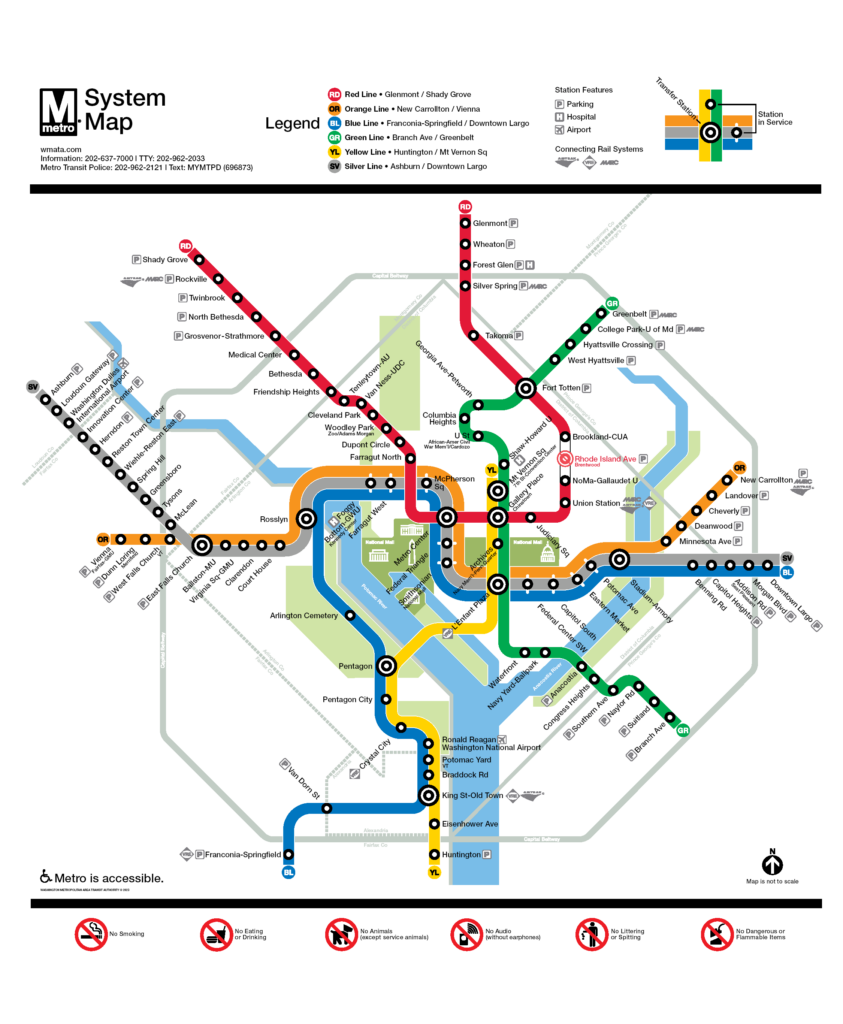
The Washington Metropolitan Area Transit Authority (WMATA) plays a crucial role in the daily commute of millions in the D.C. metropolitan area. With an extensive network of rail and bus services, WMATA is essential for reducing traffic congestion and promoting sustainable transit options. Recent developments are poised to enhance service reliability and passenger experience, which is particularly relevant given the rise in demand as the region continues to recover from the COVID-19 pandemic.
Service Enhancements Announced
In a recent press conference, WMATA officials announced an array of service enhancements set to roll out in the coming months. These include increased train frequency during peak hours and the introduction of extended hours on select routes. The changes, slated for implementation in early 2024, aim to make public transit more convenient and accessible for a growing base of daily riders.
To address long-standing issues of delays and overcrowding, WMATA is investing in key infrastructure upgrades, including the modernization of signaling systems and updates to older equipment. Improved technology is expected to reduce wait times and improve overall service reliability.
Feedback from the Community
Community feedback played a significant role in shaping the forthcoming changes. Numerous public forums were held, where both regular commuters and infrequent riders expressed their concerns and suggestions. Many participants highlighted the need for better coordination with local bus services and improved accessibility for persons with disabilities. WMATA has taken these considerations seriously, promising to integrate them into their future planning.
Financial Stability and Future Outlook
As WMATA navigates these changes, financial health remains a concern. Like many transit agencies across the nation, WMATA has faced budgetary challenges due to reduced ridership during the pandemic. However, recent federal funding and local government support provide a glimmer of hope for sustained service improvements. Metro officials express optimism that revamped services will encourage ridership growth, thereby enhancing financial stability over time.
Conclusion: Looking Ahead
In conclusion, the upcoming service enhancements at WMATA are significant steps towards a more efficient and user-friendly transit system in the Washington D.C. area. As WMATA gears up for these changes, commuters can look forward to a more reliable and accommodating service. Ultimately, the success of these efforts will be measured by rider satisfaction and the agency’s ability to adapt to evolving community needs. With improvements on the horizon, it remains crucial for Washington D.C. residents to stay informed and engaged with WMATA’s developments.