Introduction Air quality is a critical factor affecting public health and the environment. On any given day, fluctuations in air quality can indicate serious underlying issues such as pollution, weather patterns, or natural events. This article aims to understand why air quality may be particularly poor today, shedding light on its significance for individuals and
Introduction
Air quality is a critical factor affecting public health and the environment. On any given day, fluctuations in air quality can indicate serious underlying issues such as pollution, weather patterns, or natural events. This article aims to understand why air quality may be particularly poor today, shedding light on its significance for individuals and communities alike.
Current Events Impacting Air Quality
As of today, October 15, 2023, various factors contribute to the subpar air quality reported in several regions. Meteorological conditions play a significant role; for instance, stagnant air can trap pollutants close to the ground. In several urban areas, high-pressure systems lead to temperature inversions, causing pollutants to accumulate.
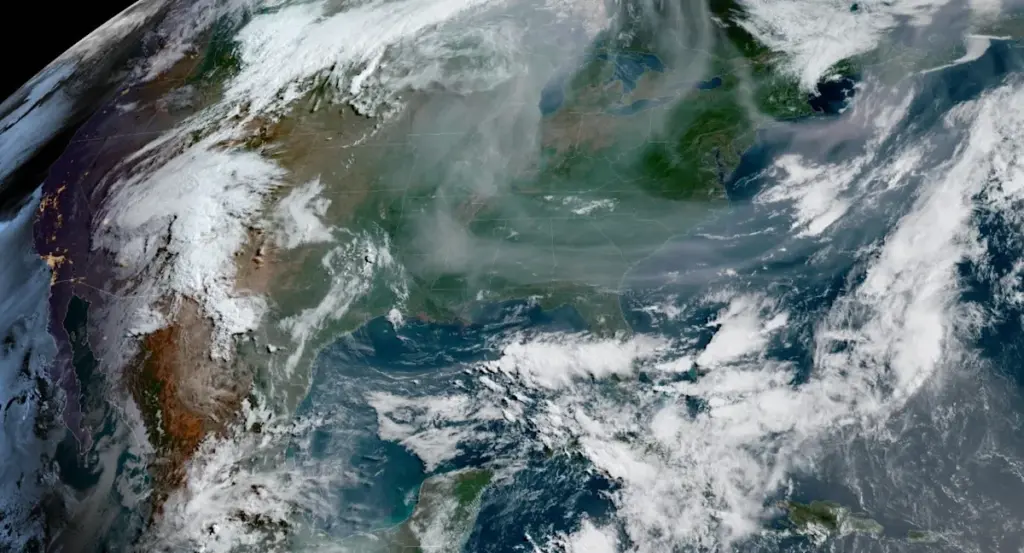
Moreover, wildfires have been prevalent this season, particularly in states like California and Oregon. These fires release vast amounts of particulate matter and other harmful chemicals into the atmosphere. According to the U.S. Environmental Protection Agency (EPA), the smoke from these fires has affected air quality even in states far removed from the flames, producing health warnings across many areas.
Health Implications of Poor Air Quality
Poor air quality poses several health risks, particularly for vulnerable populations such as children, the elderly, and people with pre-existing respiratory conditions. Increased levels of particulate matter (PM2.5) can exacerbate asthma, reduce lung function, and even lead to cardiovascular problems.
On days with reported poor air quality, health advisories are often issued, recommending residents limit outdoor activities, especially during peak pollution hours. It’s essential for the public to stay informed through local health department updates and air quality monitoring websites.
Conclusion
Understanding why air quality is poor today involves recognizing the interplay of various factors such as pollution, weather, and environmental events like wildfires. As air quality directly impacts health and well-being, it is vital for communities to stay informed and take necessary precautions. Moving forward, continued advancement in pollution control technologies and policies will be crucial to addressing ongoing air quality challenges and safeguarding public health.