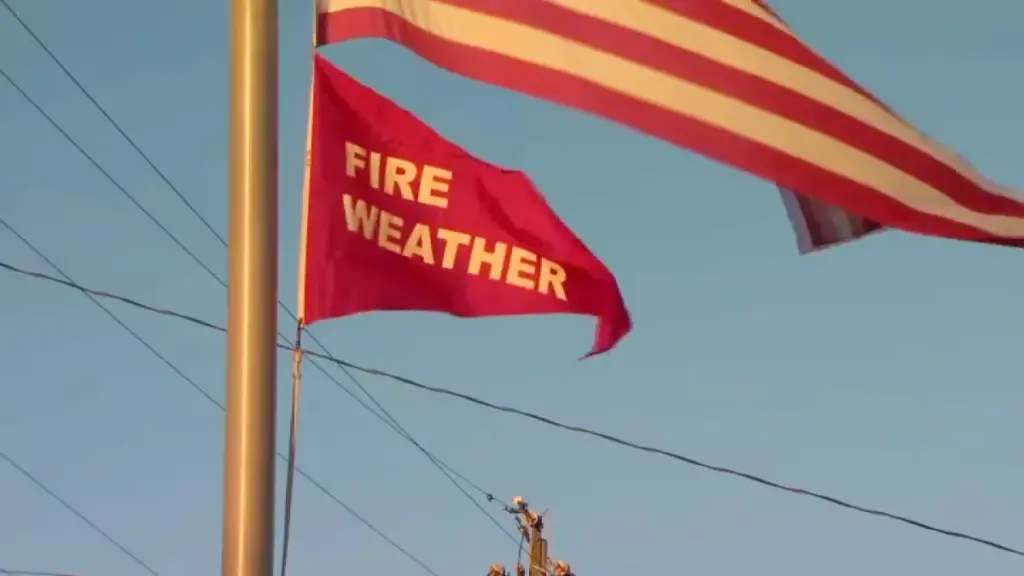
Introduction to Red Flag Fire Weather Warnings As wildfires pose an increasing threat to various regions across the United States, understanding fire weather warnings becomes crucial for public safety. A red flag fire weather warning is issued by the National Weather Service (NWS) to alert communities of critical fire weather conditions that can lead to
Introduction to Red Flag Fire Weather Warnings
As wildfires pose an increasing threat to various regions across the United States, understanding fire weather warnings becomes crucial for public safety. A red flag fire weather warning is issued by the National Weather Service (NWS) to alert communities of critical fire weather conditions that can lead to rapid fire growth and enhanced fire behavior. These warnings serve as a vital tool for fire prevention agencies, helping them to prepare and respond effectively to potential outbreaks.
What Are Red Flag Warnings?
A red flag warning is typically issued when specific weather conditions align to create an elevated risk of wildfires. Conditions include factors such as low humidity (often below 20%), high winds (sustained speeds of 15-25 mph or more), and dry fuels such as grasses and shrubs. When these conditions are present, the risk of wildfires igniting and spreading increases significantly, prompting authorities to take proactive measures to protect both lives and property.
Current Events Related to Red Flag Warnings
Throughout October 2023, various areas in the western United States, particularly California, Oregon, and Washington, have faced a series of red flag warnings due to ongoing drought conditions and strong winds. Recent reports from the NWS indicate that dry conditions are exacerbated by a lack of precipitation during the early months of fall, making landscapes ripe for wildfire ignition. Notably, some regions experienced multiple red flag alerts within a short period, enabling fire management teams to prepare for potential fire outbreaks effectively.
The Importance of Staying Informed
For residents living in areas prone to wildfires, understanding red flag warnings is essential for personal safety. It is encouraged to stay informed through local news outlets, the NWS website, and social media channels that provide timely updates. Authorities typically recommend a series of preventative measures during red flag warnings, including refraining from outdoor burning, securing flammable materials, and having an emergency evacuation plan in place.
Conclusion: The Significance of Red Flag Warnings
Red flag fire weather warnings are crucial in safeguarding communities from the devastating impacts of wildfires. As climate change continues to exacerbate weather conditions conducive to wildfires, the relevance of these alerts is expected to grow. Residents must heed warnings and adopt preventive measures to mitigate risks associated with wildfires. Awareness and preparation remain the best defense against the destructive nature of fire during extreme weather conditions.