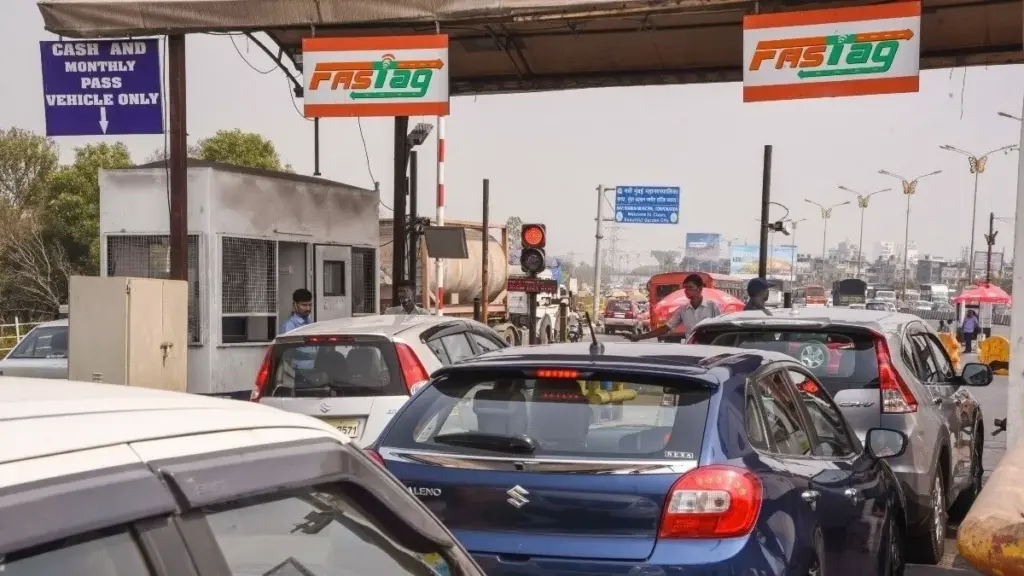
The new FASTag system in India aims to revolutionize toll collection, making travel on highways faster and cashless.
The introduction of a barrier-less tolling system in India marks a significant shift towards automated and seamless travel on national highways. Starting from December 1, 2026, vehicles will be able to pass through toll plazas without stopping, thanks to the new Multi-Lane Free Flow (MLFF) system.
So, how did we arrive at this pivotal moment? The current toll system requires vehicles to halt at barriers for payment, which can lead to long queues and delays. The government aims to eliminate these inefficiencies by implementing advanced technologies.
Key features of the new system:
- The MLFF system will allow vehicles to pass without stopping at toll plazas.
- AI cameras and sensors will scan vehicle number plates and FASTags for automatic identification.
- Toll payments will be deducted directly from linked bank accounts or digital wallets.
Nitin Gadkari, the Minister for Road Transport and Highways, emphasized that this initiative aims to make travel smoother. “Now you will not have to stand in long queues at toll plazas or stop your vehicle,” he stated.
Drivers must ensure their FASTag is active and linked to their bank accounts. If they fail to comply, penalties will be imposed for vehicles without valid FASTags or insufficient balance. Additionally, QR codes will be available for UPI payments if the FASTag fails.
This transition towards cashless highways is also a part of India’s broader vision of enhancing digital payments across various sectors. The government plans to phase out cash payments at toll plazas entirely, making FASTag or UPI mandatory.
That context matters because it reflects a growing trend towards automation and efficiency in public services. The aim is not just convenience; it’s about reducing human intervention and streamlining operations.
However, uncertainties remain regarding how quickly the public will adapt to this new system. Entry to toll plazas may be restricted for repeated violations of the new rules, which could lead to confusion among drivers initially.
The next major milestone will come as we approach the implementation date in December 2026. Until then, drivers should prepare for these changes by ensuring their payment methods are ready for this cashless future.