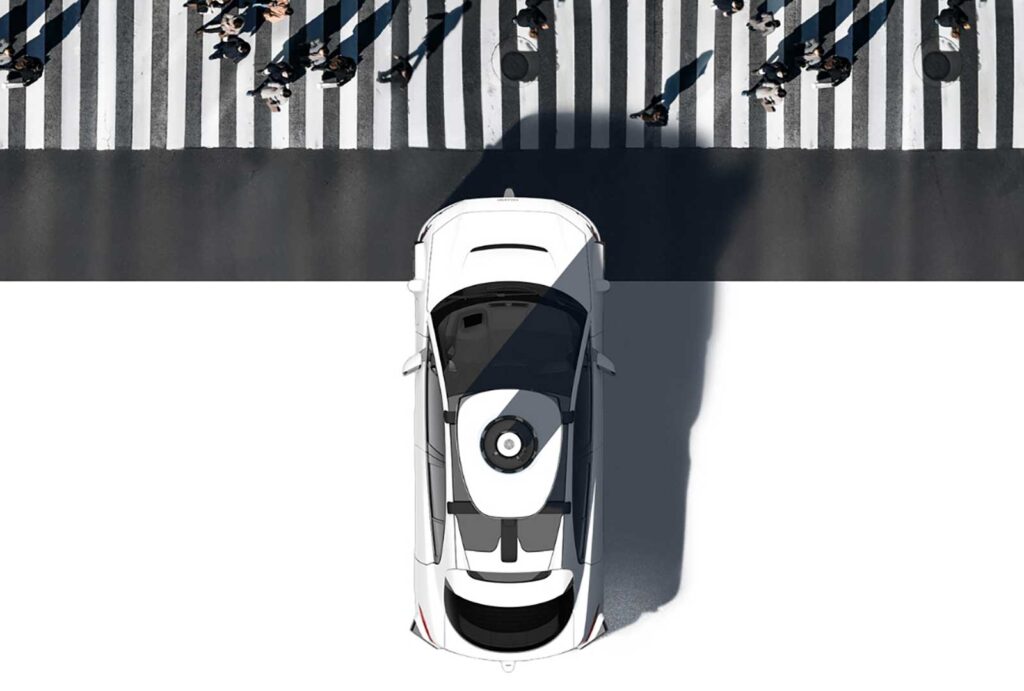
Introduction Waymo, a subsidiary of Alphabet Inc. and a pioneer in autonomous vehicle technology, continues to make significant strides in the world of self-driving cars. As cities evolve and the demand for innovative transportation solutions grows, Waymo’s advancements in autonomous vehicles are pivotal in shaping the future of mobility. This technology aims not only to
Introduction
Waymo, a subsidiary of Alphabet Inc. and a pioneer in autonomous vehicle technology, continues to make significant strides in the world of self-driving cars. As cities evolve and the demand for innovative transportation solutions grows, Waymo’s advancements in autonomous vehicles are pivotal in shaping the future of mobility. This technology aims not only to enhance road safety but also to reduce traffic congestion and provide greater accessibility.
Recent Developments in Waymo’s Technology
In the last year, Waymo has expanded its operations, particularly in urban areas like San Francisco and Phoenix, where it has been conducting extensive testing and pilot programs. As of late 2023, Waymo has rolled out its driverless ride-hailing service, Waymo One, to select customers, allowing them to book rides in fully autonomous vehicles without a safety driver present. The expansion of this service signifies a substantial achievement in the company’s journey towards widespread adoption.
Safety Measures and Challenges
Part of Waymo’s continued success lies in its rigorous safety protocols. The company has stated that it accumulates millions of miles in simulation and real-world testing every month to fine-tune its artificial intelligence algorithms. However, operational challenges still exist, including navigating complex traffic scenarios and adverse weather conditions. This necessitates ongoing research and upgrades to their technology.
The Future of Waymo and the Autonomous Driving Industry
Industry experts believe that the future of Waymo is bright, with predictions suggesting that fully autonomous vehicles could become a common sight on roads within the next decade. As breakthroughs in AI and machine learning emerge, Waymo aims to enhance its fleet with even more intelligent systems capable of understanding and reacting to dynamic traffic conditions.
Moreover, with partnerships in place with various automobile manufacturers and tech companies, Waymo is positioned to expand its influence in the automotive sector significantly.
Conclusion
The importance of Waymo cannot be overstated; it is at the forefront of a transportation revolution that promises to reshape how we travel. With ongoing investments in technology and safety considerations, Waymo is more than just a trendsetter—it’s a blueprint for the future of transportation. As we look ahead, consumers can expect significant advancements from Waymo that will not only enhance personal mobility but also contribute to smarter, safer cities.