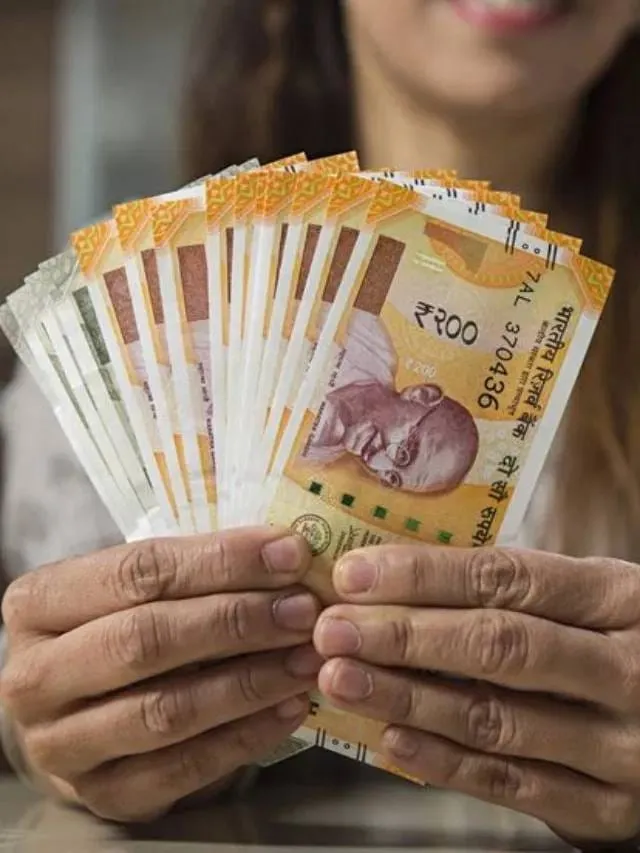
The Supreme Court of India has ruled that employees cannot be denied benefits from the Pay Commission due to additional conditions imposed by the government.
In a significant ruling on April 1, 2026, the Supreme Court of India determined that employees cannot be denied benefits from the Pay Commission based on additional conditions imposed by the government. This decision came in response to a case involving petitioners from the Junior Engineering cadre of the Border Roads Organization, who had been denied Non-Functional Upgradation (NFU) benefits.
The government had argued that only employees directly recruited at Level 8, which corresponds to a Grade Pay of ₹4,800, were eligible for NFU benefits. However, the petitioners contested this claim, stating that their years of continuous service should qualify them for the benefits associated with Level 9, which has a Grade Pay of ₹5,400.
The Delhi High Court had previously directed the government to grant Level 9 benefits to the petitioners, leading to the government’s appeal to the Supreme Court. In its ruling, the Supreme Court dismissed this appeal, emphasizing that the recommendations of the Seventh Pay Commission did not specify any restrictions regarding eligibility for NFU benefits.
Justice S.V.N. Bhatti, who presided over the case, stated, “The government has unjustly deprived the petitioners of the benefits of NFU by imposing an additional condition.” He further clarified that the benefit of NFU cannot be denied based on the petitioners’ initial Grade Pay.
This ruling is particularly important as it underscores the Supreme Court’s stance against imposing additional conditions that could restrict employee benefits. The court’s decision aligns with the broader interpretation of the recommendations set forth by the Seventh Central Pay Commission regarding NFU.
As a result of this ruling, employees who have served continuously for four years or more may now expect to receive the benefits they are entitled to without facing unjust restrictions. The implications of this decision are likely to resonate throughout the government sector, affecting numerous employees who have been similarly situated.
The case highlights ongoing discussions about employee rights and benefits in India, particularly in relation to government employment. It also raises questions about how the government will respond to the court’s ruling and whether further clarifications or adjustments to policies will be made.
Details remain unconfirmed regarding any immediate changes to the implementation of the ruling, but the Supreme Court’s decision marks a pivotal moment for employees seeking fairness in their compensation and benefits.