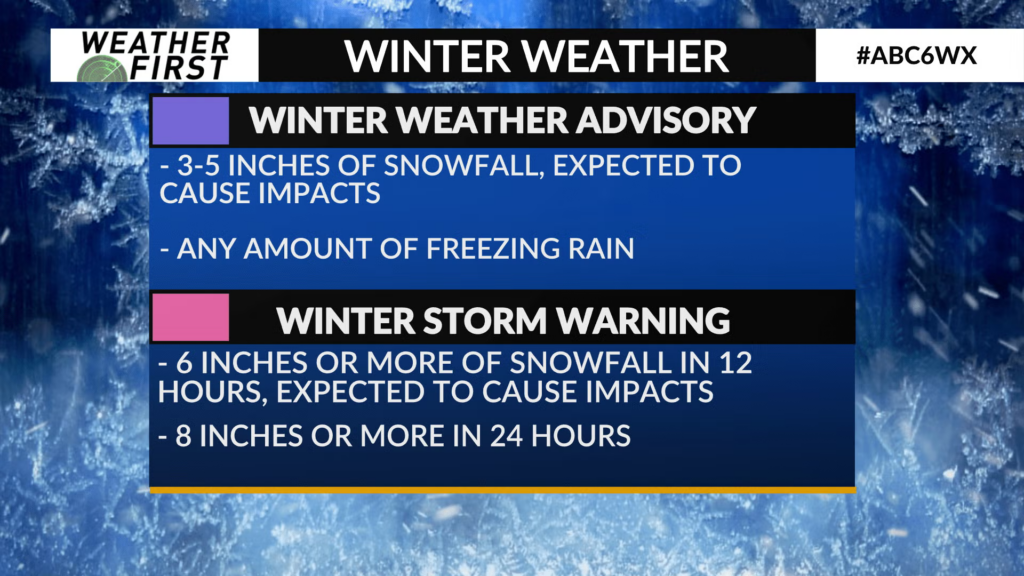
Introduction As winter approaches, the threat of inclement weather increases, bringing challenges such as snow, ice, and dangerously low temperatures. Winter storm warnings are critical alerts issued by meteorological authorities to inform the public about severe weather conditions that could pose risks to safety and transportation. Understanding these warnings is essential for preparedness and ensuring
Introduction
As winter approaches, the threat of inclement weather increases, bringing challenges such as snow, ice, and dangerously low temperatures. Winter storm warnings are critical alerts issued by meteorological authorities to inform the public about severe weather conditions that could pose risks to safety and transportation. Understanding these warnings is essential for preparedness and ensuring safety during severe winter weather.
What Is a Winter Storm Warning?
A winter storm warning is issued when a significant winter storm is on the way, with conditions expected to result in hazardous weather. This could include heavy snowfall, sleet, or freezing rain. The National Weather Service (NWS) advises that these warnings are typically posted 12 to 24 hours before the predicted onset of winter storms and may advise the public on travel limitations and safety precautions.
Recent Winter Storm Activity
Recently, the Midwest and Northeast regions have experienced a series of winter storms leading to widespread warnings and advisories. According to the NWS, a particularly strong winter storm impacted the Great Lakes region last week, dumping several inches of snow and producing hazardous driving conditions. Additionally, freezing rain added to the danger, causing power outages as ice accumulated on power lines. Emergency services reported multiple car accidents and required responses to assist stranded motorists.
Preparations and Safety Measures
Authorities encourage residents in affected areas to prepare for potential disruptions. Here are some key safety measures to consider:
- Stay Informed: Monitor weather updates and forecasts from reliable sources such as local news and the National Weather Service.
- Create an Emergency Kit: Prepare a kit with essentials like food, water, medications, and blankets in case of power outages or extended stay-at-home situations.
- Avoid Travel: If possible, stay off the roads during severe conditions to avoid hazardous situations.
Conclusion
Winter storm warnings serve as crucial alerts that help individuals and communities prepare for potentially life-threatening conditions. Awareness and timely action can minimize risks associated with severe winter weather. As climatological studies suggest that extreme weather events may become more frequent, it’s critical for residents to take winter storm warnings seriously and make preparations accordingly. Engaging with local resources and staying updated allows individuals to navigate the season safely.