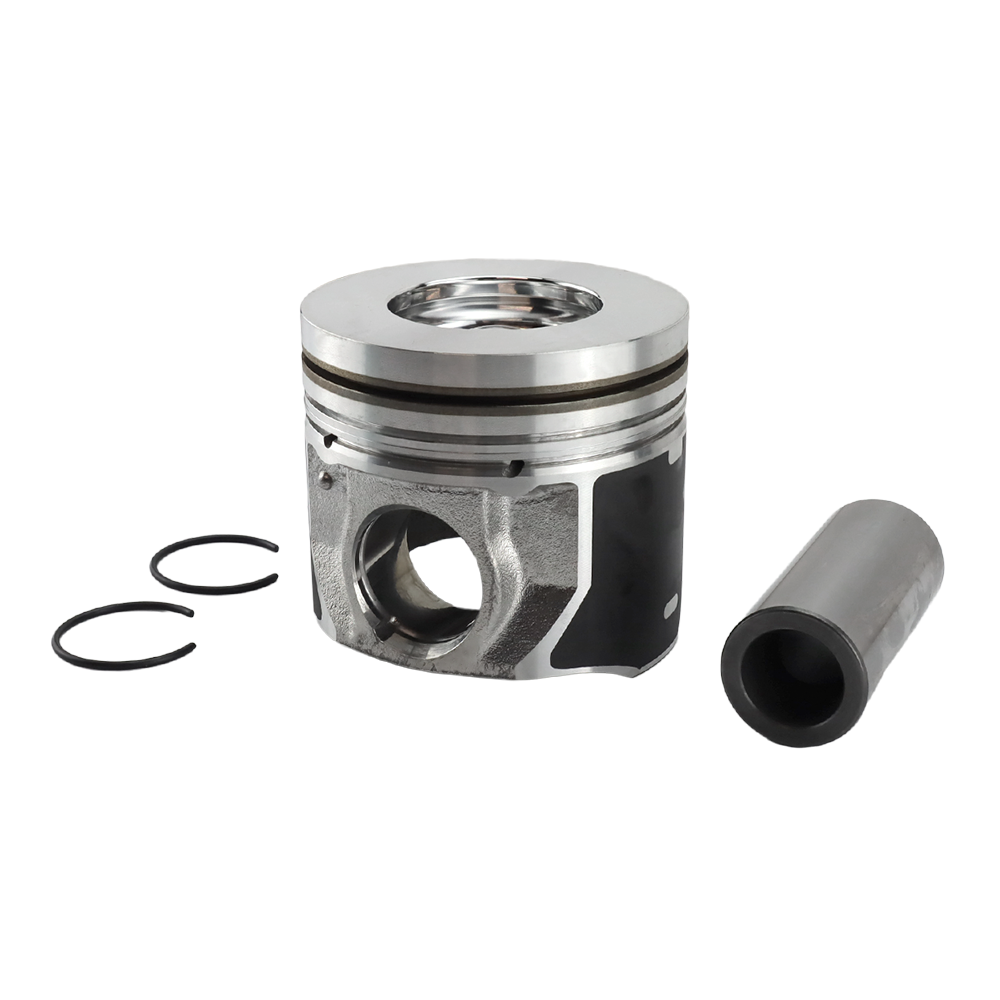
Introduction Pistons are a crucial component of internal combustion engines, and their function greatly influences the overall performance of vehicles. With advancements in automotive engineering, the design and material of pistons have evolved significantly, optimizing engine efficiency and power output. As car manufacturers aim for improved performance and stricter emissions regulations, the relevance of pistons
Introduction
Pistons are a crucial component of internal combustion engines, and their function greatly influences the overall performance of vehicles. With advancements in automotive engineering, the design and material of pistons have evolved significantly, optimizing engine efficiency and power output. As car manufacturers aim for improved performance and stricter emissions regulations, the relevance of pistons in modern vehicles cannot be overstated.
The Function of Pistons
In an internal combustion engine, the piston moves up and down within the cylinder, converting the energy from fuel combustion into mechanical work. Each piston is connected to the crankshaft, and as it moves, it turns the crankshaft, which ultimately drives the vehicle’s wheels. The efficiency and speed of this process can be affected by several factors, including the weight of the piston, its design, and the materials used in its construction.
Innovations in Piston Design
Recent innovations in piston technology have focused on improving fuel efficiency and reducing emissions. Manufacturers have begun using lightweight materials such as aluminum and advanced alloys to create pistons that add less weight to the engine, thereby enhancing performance. Additionally, new designs include unique shapes and thermal barrier coatings that help manage heat dissipation, allowing engines to operate at higher temperatures without damage.
The Impact of Pistons on Engine Performance
The design and efficiency of pistons can significantly influence various aspects of engine performance, such as horsepower, torque, and fuel economy. For instance, lighter pistons can lead to quicker engine response times, resulting in better acceleration. Furthermore, advancements in piston technology allow for tighter tolerances between the piston and the cylinder wall, reducing friction and improving overall efficiency, which can lead to lower emissions and better fuel economy.
Conclusion
As the automotive industry continues to evolve, the importance of pistons in engine technology will only grow. With a focus on sustainability and efficiency, manufacturers will continue to innovate piston designs and materials. For car enthusiasts and consumers alike, understanding the role pistons play in vehicle performance highlights the intricate relationship between engineering and driving experience. As we navigate the future, pistons will remain at the heart of automotive engineering, shaping the next generation of vehicles.