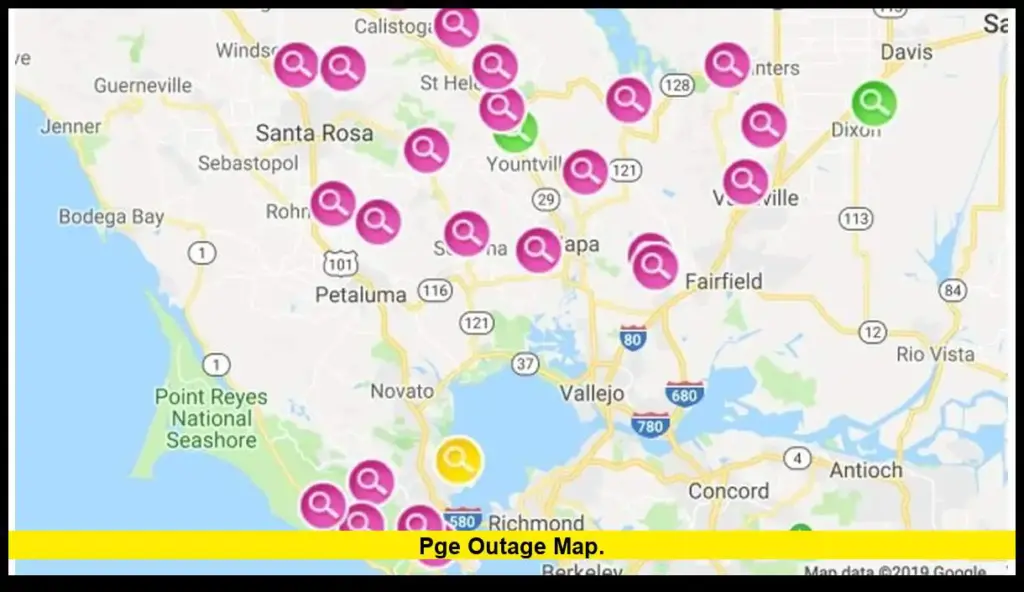
Introduction Pacific Gas and Electric (PGE) outages have become a significant concern for residents in California, especially with the increasing frequency of extreme weather events. As wildfires and storms escalate in severity, PGE has faced criticism over its power safety measures. The recent outages have not only disrupted daily life but also raised questions about
Introduction
Pacific Gas and Electric (PGE) outages have become a significant concern for residents in California, especially with the increasing frequency of extreme weather events. As wildfires and storms escalate in severity, PGE has faced criticism over its power safety measures. The recent outages have not only disrupted daily life but also raised questions about the reliability of the electric grid and the preparedness of utility companies to handle these challenges.
Details of the Outage
On October 18, 2023, PGE announced widespread outages affecting over 300,000 customers across the Northern California region due to forecasted high winds and dry conditions conducive to fire. Areas like Sonoma, Napa, and parts of the Bay Area were significantly impacted. The company initiated a Public Safety Power Shutoff (PSPS) as a preventive measure, which is a strategy employed to mitigate the risk of wildfires during dangerous weather conditions.
PGE’s emergency measures included sending alerts via text messages, emails, and automated phone calls to the affected customers. The outages lasted from several hours up to a couple of days, depending on the location. Residents were encouraged to prepare emergency kits and find alternative solutions for heating and food preservation amid the disruptions.
Community and Response
Community reaction has been mixed. Some residents appreciate the utility’s efforts to prevent potential wildfires, while others express frustration over the frequent outages, which have become a norm during peak fire seasons. Local businesses faced significant losses due to downtime, prompting calls for better infrastructure and management strategies from PGE officials.
Emergency operations centers were established in various regions to assist residents during outages. Local governments worked with PGE to distribute resources, including food and water supplies, especially for vulnerable populations such as the elderly and those with medical needs requiring electricity.
Conclusion
The recent PGE outage highlights the ongoing challenges faced by utility companies amid climate change and environmental risks. As California prepares for a future with harsher weather conditions, understanding how to manage outages becomes increasingly essential. PGE has indicated a commitment to improving their infrastructure and response strategies, yet many residents demand immediate action and long-term solutions to ensure future reliability.
Moving forward, it remains crucial for residents to stay informed about their power supply and emergency procedures. Collaboration between utility companies, state officials, and communities will play a vital role in securing a robust and resilient electric grid.