The Origins of Friday the 13th Friday the 13th has long been viewed as an unlucky day in Western culture. The superstition surrounding this date likely arises from both the number 13 and the day Friday itself. Historically, many believe that the number 12 is considered a symbol of completeness (think of the 12 months
The Origins of Friday the 13th
Friday the 13th has long been viewed as an unlucky day in Western culture. The superstition surrounding this date likely arises from both the number 13 and the day Friday itself. Historically, many believe that the number 12 is considered a symbol of completeness (think of the 12 months of the year or Zodiac signs), making 13 appear as an irregularity. Furthermore, in Christian tradition, Friday is seen as an inauspicious day—it is often thought to be the day of Jesus’s crucifixion.
Historical Context
The earliest written record of the superstition dates back to the late 19th century. In 1907, Thomas W. Lawson, an American author, published a novel titled “Friday, the Thirteenth,” which contributed significantly to the growing anxiety surrounding this date. Additionally, fear of Friday the 13th is known as ‘triskaidekaphobia’ and has permeated various spheres of life, leading to the avoidance of significant events and decisions on this date.
Cultural Impact
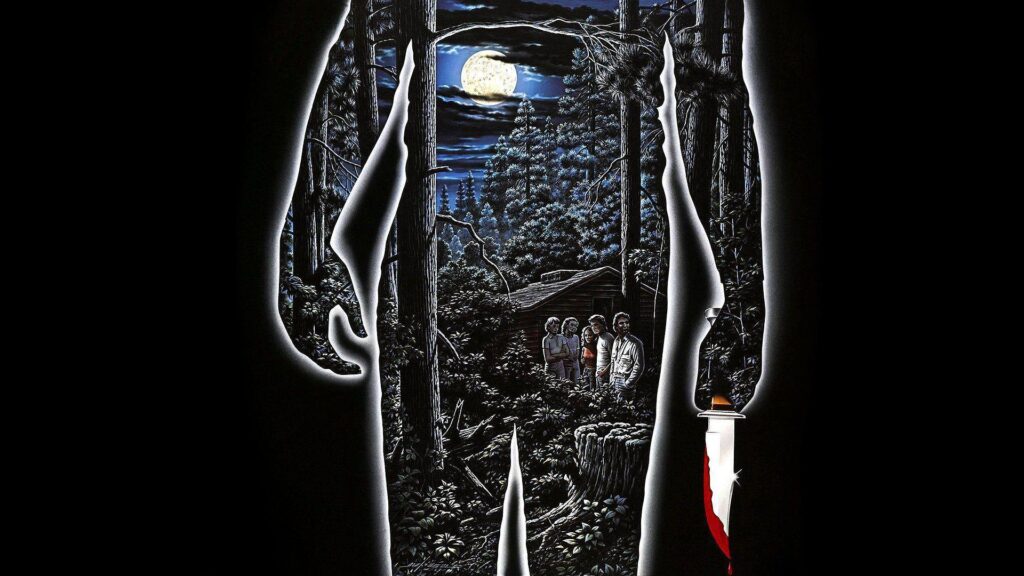
This superstition also seeped into popular culture, particularly through horror films like the iconic “Friday the 13th” series. The first film was released in 1980, introducing audiences to the psychological horror genre with its infamous character Jason Voorhees. This cinematic representation further entrenched the day’s ominous reputation, leading many to view it as a day of fright and unease.
Modern-Day Attitudes
Despite the negative connotations, many people have started viewing Friday the 13th in a more positive light. Some see it as an opportunity to confront fears and even celebrate it with themed events and festivities. In cities like Paris and Rome, themed gatherings and activities take place, showcasing a shift from dread to celebration.
Conclusion
Ultimately, Friday the 13th remains a fascinating blend of folklore, history, and contemporary culture. While its origins lie in superstition and fear, modern interpretations have evolved, allowing individuals to embrace rather than avoid the day. As more people become aware of the myths surrounding Friday the 13th, the day may increasingly transition from one of fear to one of fun, offering a chance to redefine personal perceptions and beliefs.