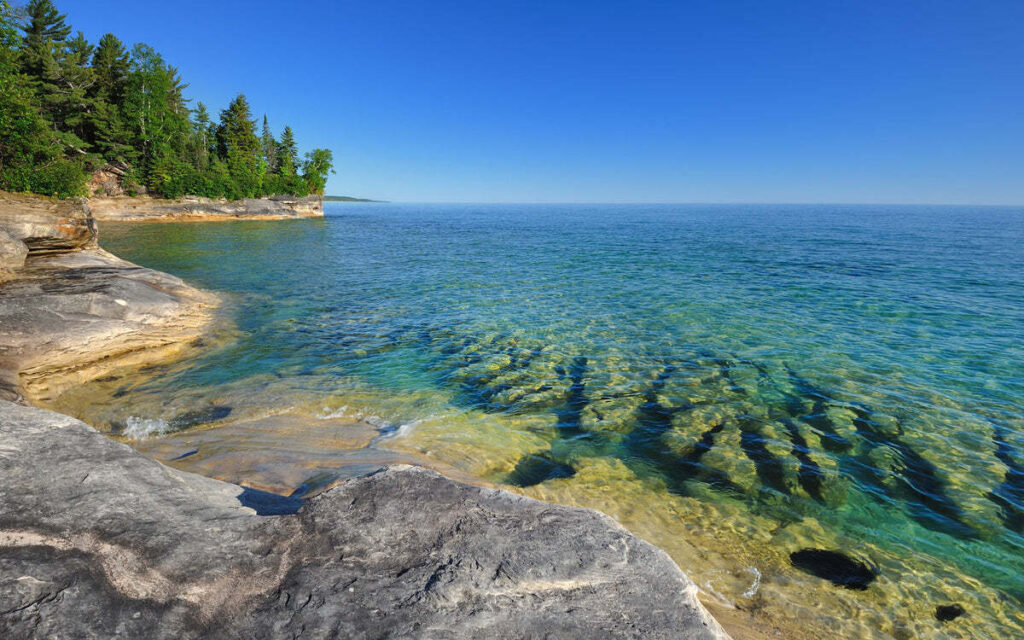
Introduction The Great Lakes, a collection of five large freshwater lakes located in North America, are essential to both the environment and the economy. Spanning across the U.S.-Canadian border, they hold about 20% of the world’s fresh surface water. This incredible resource not only supports millions of people but also plays a crucial role in
Introduction
The Great Lakes, a collection of five large freshwater lakes located in North America, are essential to both the environment and the economy. Spanning across the U.S.-Canadian border, they hold about 20% of the world’s fresh surface water. This incredible resource not only supports millions of people but also plays a crucial role in the ecosystems and economies of surrounding regions.
Current Events and Environmental Significance
Recently, the Great Lakes have been the focus of significant environmental discussions due to rising water temperatures, pollution, and invasive species. A report by the U.S. Geological Survey indicates that average water temperatures in the Great Lakes have increased by 1.5 degrees Fahrenheit over the past century. This temperature rise affects fish populations, which are crucial for local economies and ecosystems, as warmer waters can lead to reduced oxygen levels.
Moreover, the proliferation of invasive species such as the Asian carp poses serious threats to native species and biodiversity in the lakes. In response to these challenges, the Great Lakes Restoration Initiative has been funded with nearly $300 million for conservation efforts, emphasizing the need for sustainable practices to protect this vital resource.
Economic Impact
The Great Lakes are also significant for economic activities including shipping, fishing, and tourism. According to a report from the Great Lakes Commission, the region supports approximately 1.5 million jobs and contributes over $62 billion annually to the economy. The shipping industry, particularly, relies on the lakes for transporting goods across the Midwest, which is vital for both regional and national trade.
Conclusion and Forecast
The future of the Great Lakes hinges on ongoing conservation efforts, community involvement, and policy changes aimed at promoting sustainability. As urban development continues to expand around the lakes, maintaining the ecological balance will be vital. Each stakeholder, including local governments, environmental organizations, and the general public, plays a role in safeguarding the Great Lakes for future generations. Through collective action and robust policies, there is hope that the challenges faced today can be mitigated, ensuring that the Great Lakes remain a precious resource for years to come.