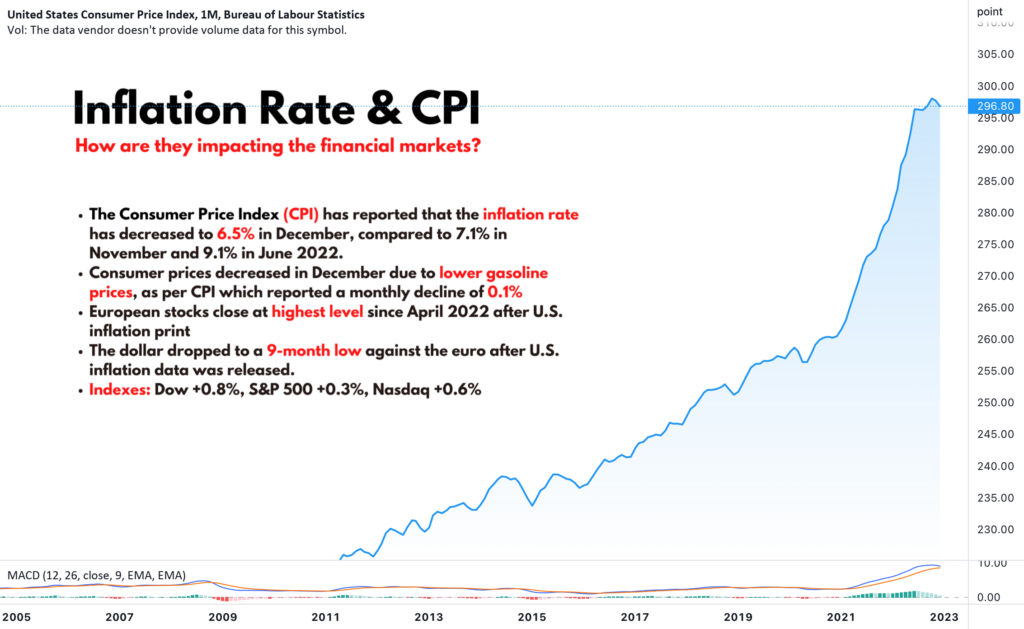
Introduction The Consumer Price Index (CPI) inflation rate is a crucial economic indicator that measures the average change over time in the prices paid by urban consumers for a market basket of consumer goods and services. In recent years, understanding CPI inflation has gained immense importance as economies grapple with fluctuations in prices, which directly
Introduction
The Consumer Price Index (CPI) inflation rate is a crucial economic indicator that measures the average change over time in the prices paid by urban consumers for a market basket of consumer goods and services. In recent years, understanding CPI inflation has gained immense importance as economies grapple with fluctuations in prices, which directly affect purchasing power and economic policy decisions. With the economic recovery post-pandemic in full swing, scrutinizing the CPI inflation rate has become essential for consumers, investors, and policymakers alike.
Current CPI Inflation Trends
As of October 2023, the CPI inflation rate in the United States stands at approximately 3.7%, a notable decrease from mid-2022 when it peaked around 9.1%. This decline can be attributed to several factors, including a reduction in global supply chain disruptions and stabilized energy prices. According to the U.S. Bureau of Labor Statistics, categories such as used cars, apparel, and transportation have seen significant price adjustments that contributed to this overall slowdown in inflation.
Factors Influencing CPI
The recent trends in CPI inflation are influenced by multiple factors. Firstly, the Federal Reserve’s monetary policy, including interest rate hikes, aims to curb excessive inflation by making borrowing more expensive, thereby reducing spending. Secondly, external factors such as geopolitical tensions and natural disasters can also affect supply and demand, leading to price changes.
The continued strength of the labor market is another crucial factor. Unemployment rates hovering around 3.8% indicate robust job growth, which in turn affects consumer spending patterns. However, wage growth has not kept pace with inflation in many sectors, leading to concerns about real income levels and consumer confidence.
Future Outlook
Looking forward, economists project that the CPI inflation rate might stabilize between 2% to 4% in 2024, as the Federal Reserve maintains its policy stance until inflation is more firmly under control. Increased focus on domestic production and adjustments in supply chains may further influence the inflation outlook. Additionally, the reaction of businesses and consumers to changing inflation levels will significantly shape economic dynamics.
Conclusion
Understanding the CPI inflation rate is more than just tracking numbers; it reflects consumer health, purchasing power, and the broader economic landscape. As we navigate through 2023, remaining informed about inflation trends is essential for making sound financial decisions. With ongoing analysis and policy adjustments, consumer awareness will play a pivotal role in adapting to changes in the economic environment.