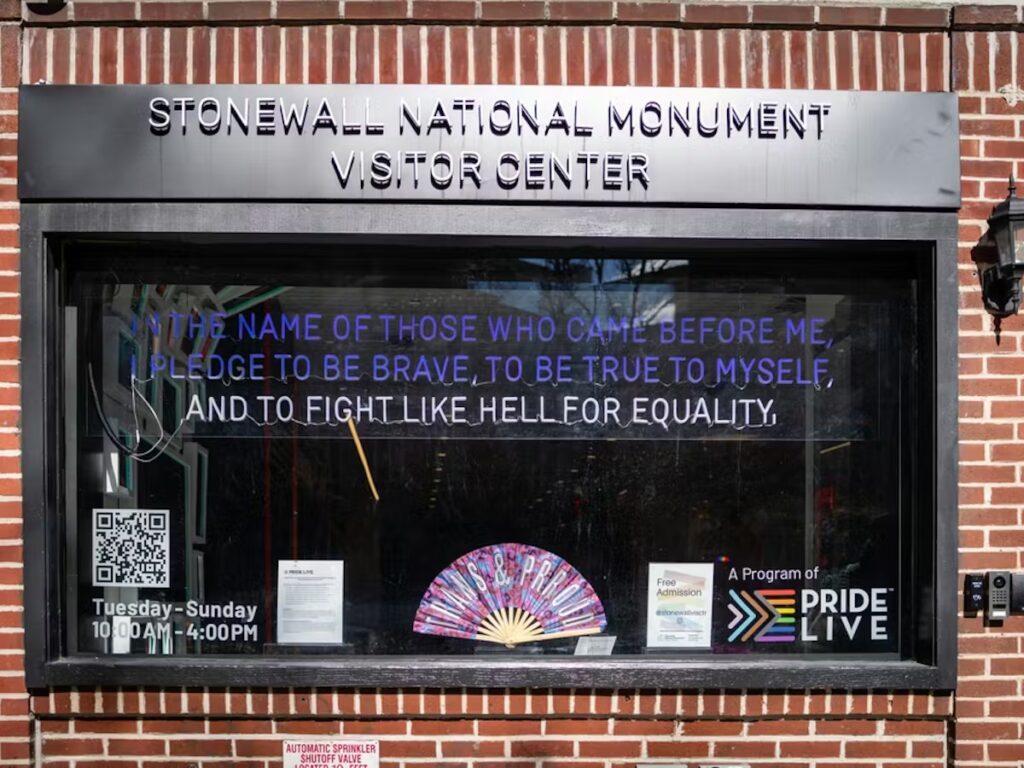
Introduction to Stonewall National Monument The Stonewall National Monument, designated in 2016, holds a poignant place in American history as the first national monument dedicated to the LGBTQ+ rights movement. Located in New York City’s Greenwich Village, it marks the site of the 1969 Stonewall riots, a pivotal event that galvanized the fight for LGBTQ+
Introduction to Stonewall National Monument
The Stonewall National Monument, designated in 2016, holds a poignant place in American history as the first national monument dedicated to the LGBTQ+ rights movement. Located in New York City’s Greenwich Village, it marks the site of the 1969 Stonewall riots, a pivotal event that galvanized the fight for LGBTQ+ rights across the United States and around the world. With social justice being an ongoing conversation in contemporary society, the monument serves as a crucial reminder of the struggles and victories of the LGBTQ+ community.
Historical Context
The Stonewall riots, which took place over several nights beginning on June 28, 1969, were sparked by a police raid on the Stonewall Inn, a popular gay bar. The event escalated into fierce resistance from patrons and members of the LGBTQ+ community, marking a turning point in the movement for sexual equality. The aftermath of the riots led to the formation of numerous advocacy groups and the first Pride marches, highlighting a growing demand for equal rights.
Significance of the Monument
The Stonewall National Monument not only preserves the historical site but also educates the public about the ongoing struggle for LGBTQ+ rights. It includes the Stonewall Inn and parts of Christopher Park, serving as a focal point for annual Pride celebrations and other related events. The location attracts millions of visitors each year, fostering a greater understanding of LGBTQ+ history and issues. In addition to the historical context, the monument stands as a symbol of resilience and hope for future generations.
Recent Developments and Events
In recent years, the importance of the Stonewall National Monument has been amplified by social movements advocating for LGBTQ+ rights, particularly amid heightened discussions regarding equality and discrimination. The National Park Service has introduced various programs and exhibits aimed at educating visitors and preserving the narrative surrounding the Stonewall riots. These initiatives highlight the importance of activism and community engagement in the ongoing quest for equality.
Conclusion
The Stonewall National Monument serves as an enduring reminder of the struggles for LGBTQ+ rights and the ongoing work that remains. As society continues to grapple with issues of equality and inclusion, the monument stands as both a tribute to those who fought for justice and an inspiration for current and future activists. Its significance goes beyond the boundaries of New York City, resonating with people worldwide who strive for liberation and acceptance. The legacy of Stonewall remains alive, urging us all to reflect on the past while advocating for a more equitable future.