Introduction Sinkholes are natural geological phenomena that occur when the ground collapses due to the dissolution of underlying limestone or other soluble rocks. These occurrences can pose significant risks to property, infrastructure, and personal safety. With recent sinkhole incidents making headlines across the United States, understanding their causes and implications has become increasingly important for
Introduction
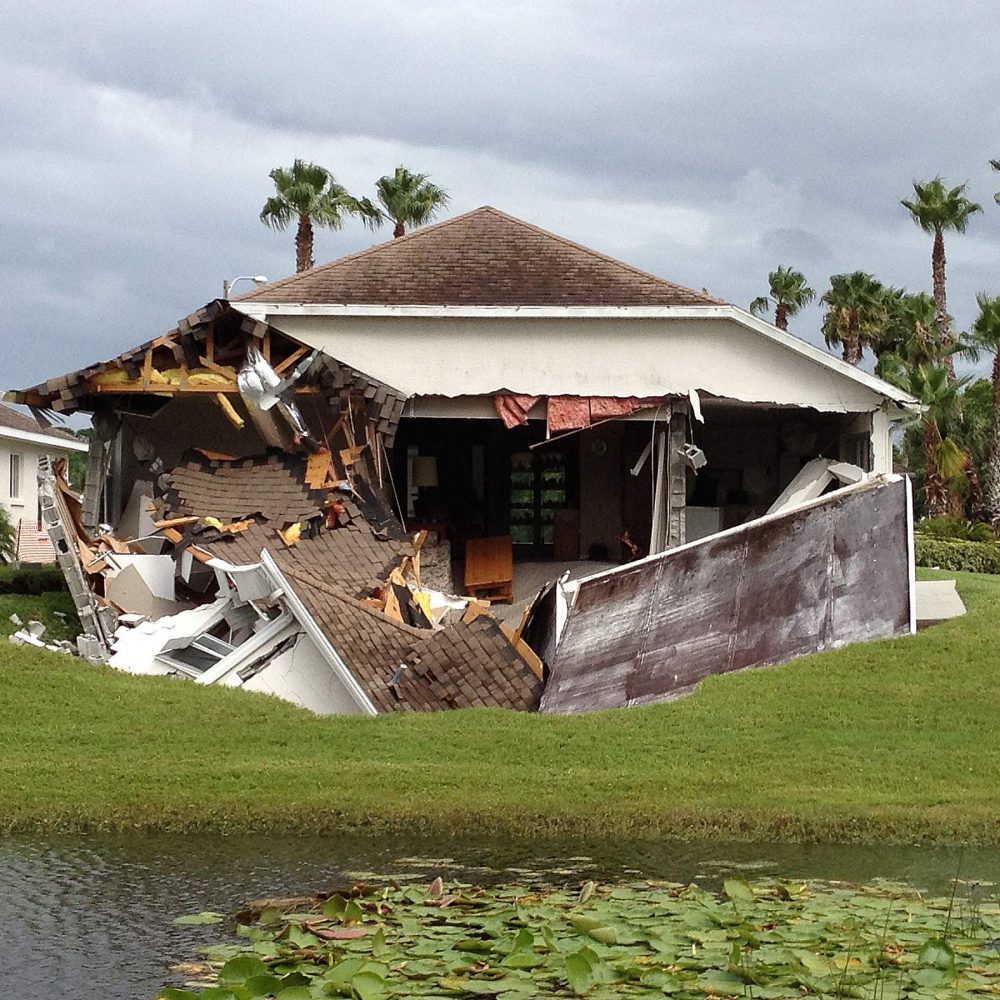
Sinkholes are natural geological phenomena that occur when the ground collapses due to the dissolution of underlying limestone or other soluble rocks. These occurrences can pose significant risks to property, infrastructure, and personal safety. With recent sinkhole incidents making headlines across the United States, understanding their causes and implications has become increasingly important for communities and policymakers alike.
Recent Incidents
In 2023, sinkholes have been reported in various states including Florida, Texas, and Pennsylvania, raising concerns about their frequency and the safety of residents. In March, a significant sinkhole opened up in the heart of downtown Tampa, swallowing a section of road and forcing the temporary closure of nearby businesses. Fortunately, no injuries were reported, but the incident underscored the potential dangers sinkholes pose in urban areas.
Similarly, another sinkhole appeared in a suburban neighborhood in Dallas, Texas, after heavy rainfall saturated the ground. Local authorities quickly evacuated nearby homes as safety assessments were conducted. In Pennsylvania, a sinkhole disrupts traffic on a busy highway, prompting emergency response teams to block access until proper repairs are made. These incidents highlight how sinkholes can disrupt daily life and transport.
Causes of Sinkholes
The primary cause of sinkholes is the dissolution of soluble rock layers, often due to water erosion. Heavy rainfall, leaking pipes, and urban run-off can accelerate this process, making areas more susceptible to sinkholes. In addition, human activities such as mining, drilling, and heavy construction can also contribute to the instability of the ground.
Impact on Communities
The impact of sinkholes extends beyond immediate physical damage. They can lead to costly repairs, loss of property, and longer-term economic challenges for affected areas. Furthermore, communities with a history of sinkhole losses may face reduced property values and increased insurance premiums, making recovery even more difficult.
Safety Measures and Forecast
To mitigate the risks of sinkholes, experts recommend regular monitoring of suspected areas, the installation of proper drainage systems, and public awareness campaigns about the signs of potential sinkhole formation. As climate change leads to more extreme weather patterns, the frequency of sinkhole incidents may increase, prompting the need for proactive measures and preparedness planning.
Conclusion
Sinkholes represent a significant and unpredictable threat to both people and infrastructure. As more incidents arise, understanding their causes and impacts becomes essential for ensuring community safety. Authorities are encouraged to invest in preventative measures and engage with residents to educate them on how to respond should they encounter a sinkhole. Awareness and preparedness may be key to minimizing the risks associated with this natural hazard.