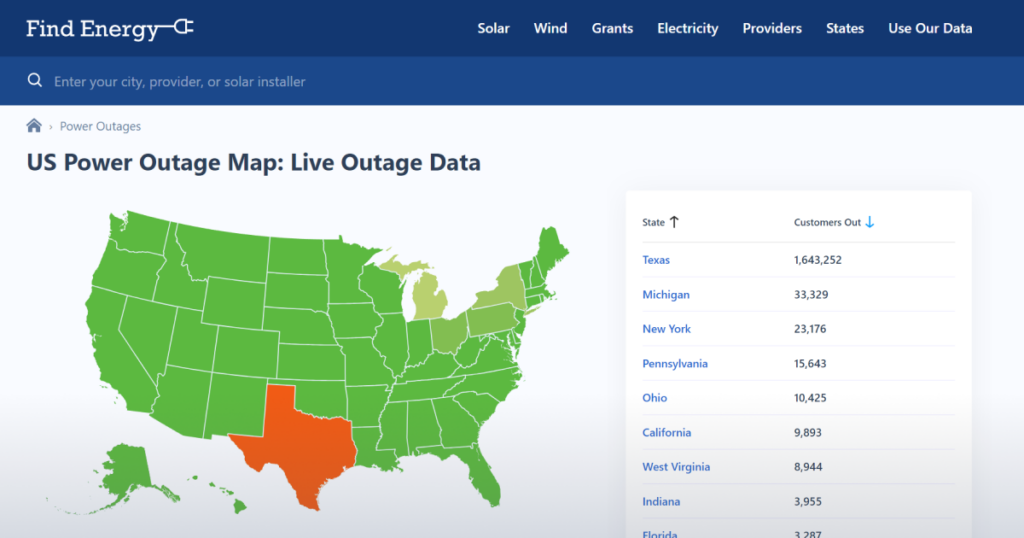
Introduction Power outages can disrupt daily life, impacting everything from essential services to personal routines. Understanding the causes, locations, and preparations for power outages is vital for residents. With climate change increasing the frequency of extreme weather events, knowing how to react during a power outage is more relevant than ever. Recent Events and Current
Introduction
Power outages can disrupt daily life, impacting everything from essential services to personal routines. Understanding the causes, locations, and preparations for power outages is vital for residents. With climate change increasing the frequency of extreme weather events, knowing how to react during a power outage is more relevant than ever.
Recent Events and Current Statistics
According to the U.S. Energy Information Administration, power outages have been increasing in incidence over the past few years, with severe weather being the leading cause. In 2023, over 15 million people experienced power outages due to storms, wildfires, and other natural disasters. Areas in the Midwest and Southeast were particularly affected by summer storms, resulting in significant power restoration efforts. Local utilities such as Con Edison, PSEG, and Duke Energy have reported heightened restoration times due to the increasing complexity of repairs after severe weather.
Common Causes of Power Outages
Power outages can occur due to various reasons, including:
- Severe Weather: Lightning strikes, heavy rain, and strong winds can damage electrical infrastructure.
- Tree-related Incidents: Trees falling onto power lines is a frequent cause of outages, particularly in storms.
- Equipment Failures: Aging infrastructure and equipment failures contribute significantly to outages, often leading to unplanned downtimes.
- Planned Maintenance: Utility companies may schedule outages for routine maintenance, although these are usually well-communicated in advance.
Preparing for Power Outages
Being prepared for power outages is crucial. Here are several steps residents can take:
- Keep a supply of food that doesn’t require cooking and a manual can opener.
- Have a flashlight, candles, and batteries on hand.
- Create an emergency plan with family members regarding where to meet and how to communicate if separated.
- Invest in a power bank to charge essential electronic devices.
Conclusion
Power outages are an unfortunate reality that affects many residents across the United States. Being informed about the causes and regularly updating emergency preparedness measures can ensure safety during these disruptions. As climate patterns change and infrastructure ages, it is essential for readers to remain vigilant and proactive. By understanding the factors contributing to power outages near them, individuals can take actionable steps to minimize the impact on their daily lives.