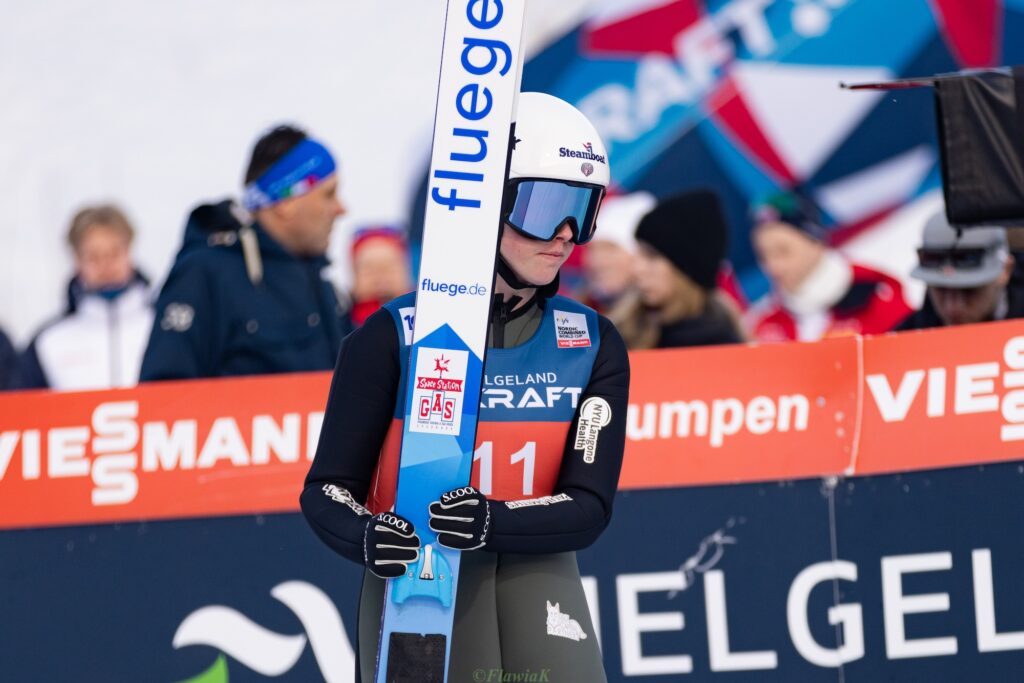
Introduction to Nordic Combined Nordic combined is an exciting winter sport that merges two distinct disciplines: cross-country skiing and ski jumping. This combination challenges athletes’ versatility and endurance, making it one of the most physically demanding sports in the Winter Olympics. Athletes must excel in both sports to compete effectively, which underlines the significance of
Introduction to Nordic Combined
Nordic combined is an exciting winter sport that merges two distinct disciplines: cross-country skiing and ski jumping. This combination challenges athletes’ versatility and endurance, making it one of the most physically demanding sports in the Winter Olympics. Athletes must excel in both sports to compete effectively, which underlines the significance of multifaceted training and skills in elite-level competition.
Historical Context and Development
The origins of Nordic combined can be traced back to Norway in the 19th century, where competitions initially featured cross-country skiing followed by ski jumping events. The sport gained international recognition with its inclusion in the first Winter Olympic Games in Chamonix, France, in 1924. Over the decades, the format and rules have evolved, but the foundational elements of skiing and jumping have remained.
Recent Highlights and Competitions
The most recent season has showcased the growing talent in Nordic combined, with athletes from countries like Norway, Germany, and Japan leading the charge in various competitions. At the FIS Nordic World Ski Championships held earlier this year, Norwegian athlete Jarl Magnus Riiber secured gold medals in both individual and team events, solidifying his status as a dominant force in the sport. Additionally, the upcoming Winter Olympic Games in 2026 in Milan-Cortina are set to spotlight the sport, with new formats and events aiming to attract a broader audience.
Challenges and Future of Nordic Combined
Despite its thrilling nature, Nordic combined faces challenges, including maintaining audience engagement and increasing participation rates among youth. The sport’s dual requirements can be daunting for new athletes and may inhibit growth. However, initiatives to streamline training processes and increase visibility through media coverage are being implemented to foster a new generation of Nordic combined competitors.
Conclusion
Nordic combined exemplifies the spirit of winter sports, where endurance, skill, and bravery are paramount. As the sport continues to evolve and attract new talent, its future looks promising. Engaging more young athletes can help popularize Nordic combined, potentially leading to more exciting competitions and a stronger fan base in the years to come. For fans and aspiring athletes, following the upcoming competitions and performances will undoubtedly highlight the remarkable athletic prowess necessary for this unique sport.