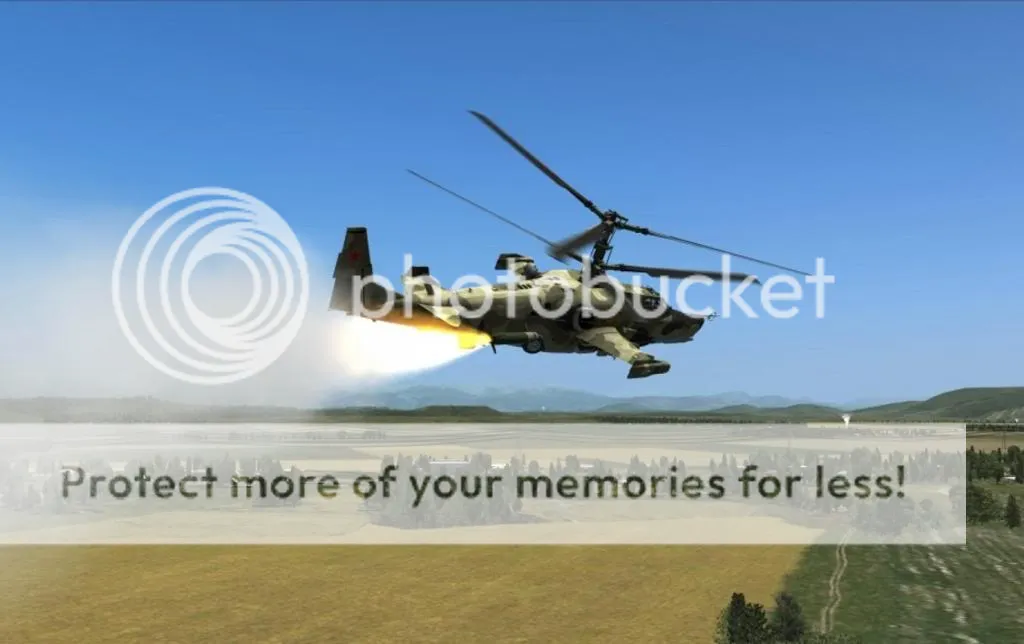
Introduction MANPADS, or Man-Portable Air Defense Systems, have become increasingly relevant in today’s geopolitical landscape. These portable missile systems, designed to be used by individual soldiers, play a significant role in countering aerial threats. As conflicts around the world evolve, the proliferation and use of MANPADS pose important challenges for military strategies and national security.
Introduction
MANPADS, or Man-Portable Air Defense Systems, have become increasingly relevant in today’s geopolitical landscape. These portable missile systems, designed to be used by individual soldiers, play a significant role in countering aerial threats. As conflicts around the world evolve, the proliferation and use of MANPADS pose important challenges for military strategies and national security.
Recent Developments
In recent months, global unrest has prompted an increase in the supply and use of MANPADS. Reports indicate that these systems have been employed in various conflicts, particularly in regions where air superiority is contested. For instance, in Ukraine, reports detail the successful use of MANPADS by Ukrainian forces against Russian aircraft, showcasing their effectiveness in asymmetric warfare.
Moreover, the effectiveness of MANPADS in combat operations raises concerns about their proliferation. The accessibility and availability of these systems have led to fears that they could fall into the hands of non-state actors, including terrorist organizations. The U.S. Department of Defense highlighted in a recent report that enhancing control and tracking systems for MANPADS is critical to prevent their diversion.
Military and Political Implications
The implications for military strategy are profound. Nations are increasingly adopting measures to counter the threat posed by MANPADS, such as developing advanced countermeasures and improving aircraft design to withstand missile strikes. Additionally, international discussions on regulating the sale and distribution of these weapons are intensifying, as countries seek to limit the risks posed by their proliferation.
Conclusion
As we look toward the future, the significance of MANPADS in military conflicts cannot be understated. Their ability to level the playing field in conflicts suggests that they will remain a focal point in defense strategies worldwide. Furthermore, the urgent need for international cooperation to regulate these weapons is clear—overall global security hinges not just on military capabilities, but also on responsible stewardship of dangerous technologies. As nations grapple with these realities, understanding the dynamics of MANPADS will be essential for policymakers and military leaders alike.