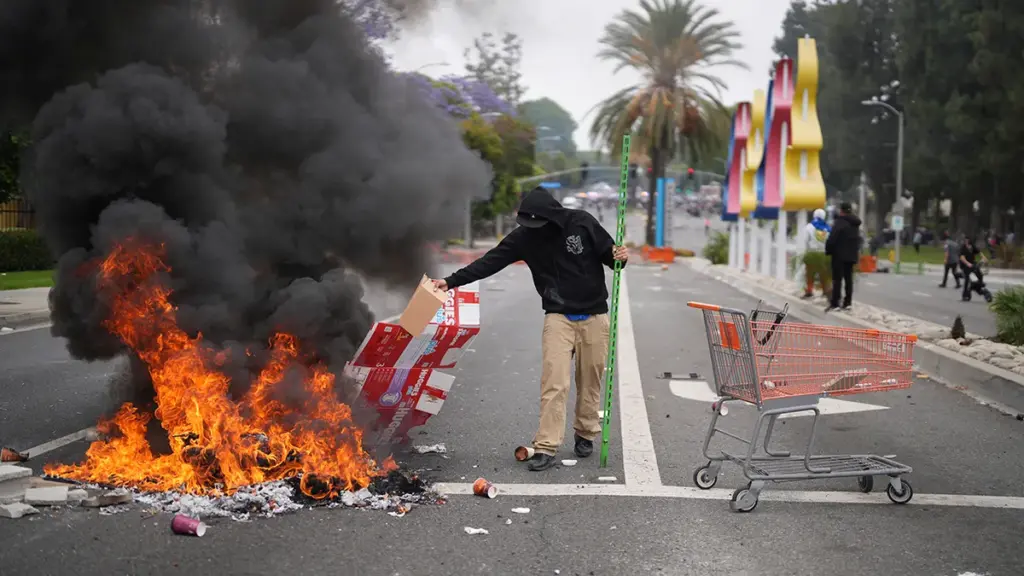
Introduction The term ‘Antifa’ has gained significant attention over the past few years as protests and social movements have surged. Short for ‘anti-fascist,’ the movement is characterized by its opposition to fascism and far-right extremism. As political and social climates evolve in the United States and around the world, understanding Antifa’s role in these dynamics
Introduction
The term ‘Antifa’ has gained significant attention over the past few years as protests and social movements have surged. Short for ‘anti-fascist,’ the movement is characterized by its opposition to fascism and far-right extremism. As political and social climates evolve in the United States and around the world, understanding Antifa’s role in these dynamics is crucial for comprehending contemporary activism and discourse.
What is Antifa?
Antifa is not a unified organization but rather a loose collective of individuals and groups that share a common opposition to fascism and neo-Nazi groups. Rooted in early 20th-century Europe, the modern incarnation of Antifa became more prominent with the rise of neo-fascist movements in the U.S., particularly in the wake of the Donald Trump presidency. Antifa members typically engage in direct action tactics, including protests, counter-protests, and sometimes confrontations with far-right groups.
Recent Developments
In 2023, Antifa remains active across various cities, primarily in response to extremist activities. High-profile actions have occurred in states like Oregon and California, where Antifa members have mobilized against groups advocating for hate speech and white supremacy. The actions of Antifa often spark intense debates regarding free speech, the limits of protest, and the tactics used in activism.
For instance, in Portland, ongoing protests against hate groups frequently lead to clashes, raising questions about law enforcement responses to both the protesters and the extremists. In many instances, local governments have struggled to find a balance between protecting free speech and ensuring public safety. Legislation in some states is now considering how to regulate protests without infringing on constitutional rights, reflecting the continued significance of the Antifa movement in current political discourse.
Public Perception and Criticism
Antifa has been subject to considerable scrutiny, often being portrayed negatively in mainstream media and by political opponents. Critics argue that the group’s tactics can exacerbate tensions and lead to violence, while supporters contend that such actions are necessary to combat the threat posed by far-right movements. This polarization in public perception underscores the complexity of activism in today’s politically charged atmosphere.
Conclusion
Antifa represents a critical aspect of the ongoing struggle against fascism and far-right extremism. As social movements evolve, it becomes increasingly important for citizens to engage in informed discussions about these groups’ actions and implications. Whether one views Antifa as a necessary force of resistance or as a disruptive presence, its impact on political activism and social discourse cannot be ignored. The future of Antifa and similar movements will likely hinge on broader societal trends surrounding extremism, activism, and the quest for social justice.