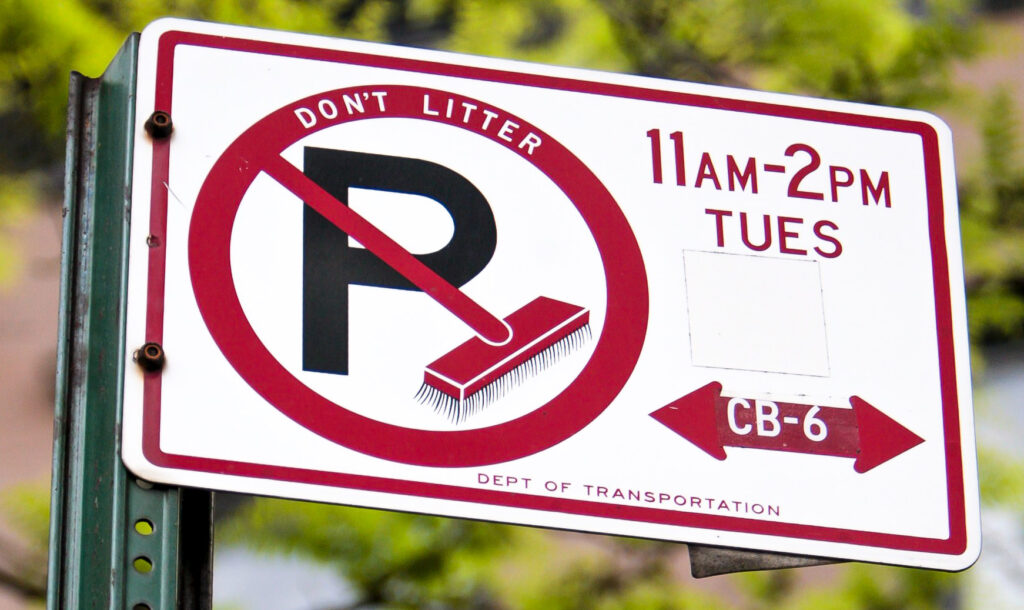
Introduction Alternate Side Parking (ASP) is a crucial aspect of urban life in New York City, influencing the daily routines of millions of residents and visitors. Designed to facilitate street cleaning, these rules often create a complex landscape for drivers to navigate. As the city continues to balance cleanliness with growing traffic demands, staying informed
Introduction
Alternate Side Parking (ASP) is a crucial aspect of urban life in New York City, influencing the daily routines of millions of residents and visitors. Designed to facilitate street cleaning, these rules often create a complex landscape for drivers to navigate. As the city continues to balance cleanliness with growing traffic demands, staying informed about the current regulations is more essential than ever for effective parking practice.
Current Rules and Regulations
The New York City Department of Transportation (NYCDOT) regulates alternate side parking, which requires cars to be moved to allow street cleaning in designated areas. Typically, ASP rules are enforced on weekdays, with signs indicating specific days and times. Recently, the NYCDOT announced temporary suspensions of ASP regulations during public holidays and extreme weather to accommodate those affected. This year, the city has also implemented more consistent communication on changes to ASP schedules through mobile alerts and signage, responding to requests from residents for clearer information.
Recent Updates and Changes
In 2023, New York City has seen various adjustments to its parking regulations in response to community feedback. One significant change is the extension of no ASP days during large events or emergencies, aimed at easing congestion and ensuring access for emergency vehicles. Additionally, there’s a push to continue conversations about the impact of ASP on low-income neighborhoods, where complications in parking can exacerbate mobility issues. Furthermore, the city is exploring the implementation of mobile apps that could provide real-time information about ASP compliance and help reduce parking violations.
Conclusion
As we move further into 2023, understanding the intricacies of alternate side parking regulation in NYC is crucial for drivers looking to avoid fines and ensure easy access to streets for essential services. The ongoing changes reflect a response to evolving urban needs and a commitment from the city to improve communication and transparency with its residents. Future developments may include further modernization of parking regulations through technology, as well as continued advocacy for equitable parking solutions citywide. For residents and visitors alike, keeping informed will remain key in navigating the complex parking landscape of New York City.