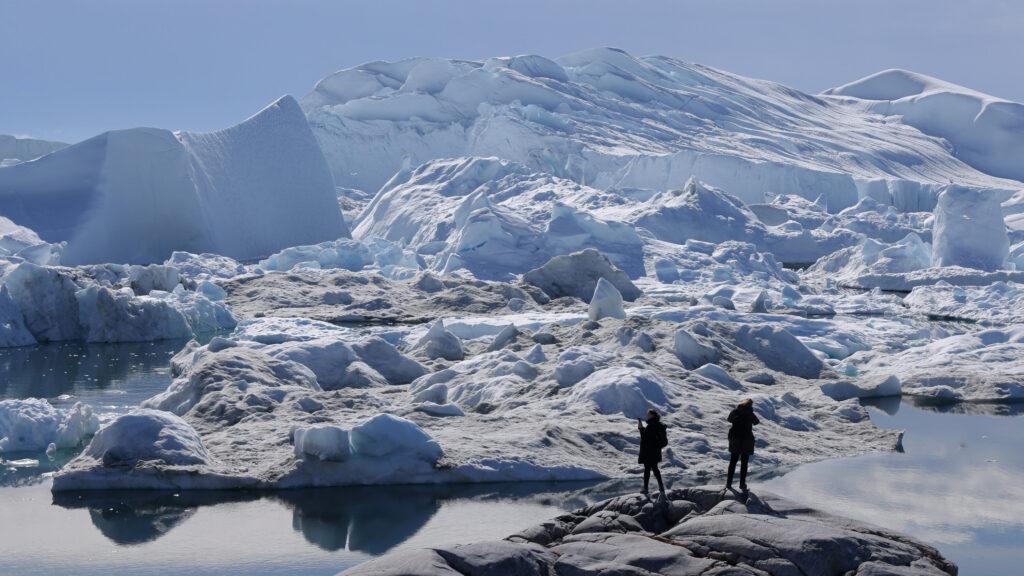
Introduction The topic of Greenland and its relationship with the United States has gained renewed attention since former President Donald Trump expressed interest in purchasing the island in 2019. Though the proposal was met with skepticism and outright rejection from Denmark, it raised critical questions about U.S. foreign policy, strategic interests, and climate change implications.
Introduction
The topic of Greenland and its relationship with the United States has gained renewed attention since former President Donald Trump expressed interest in purchasing the island in 2019. Though the proposal was met with skepticism and outright rejection from Denmark, it raised critical questions about U.S. foreign policy, strategic interests, and climate change implications. The relevance of this discussion continues as geopolitical dynamics evolve in the Arctic region, making it a key area of insight for policymakers and the public alike.
The Proposal and Immediate Reactions
In 2019, during a visit to Denmark, Trump shocked many by bringing up the idea of buying Greenland, a semi-autonomous territory of Denmark. The proposal was dismissed by Danish Prime Minister Mette Frederiksen as ‘absurd,’ leading to a diplomatic rift between the two countries. Despite the backlash, the interest highlighted the U.S.’s strategic military and mineral interests in the Arctic, where melting ice is opening new shipping routes and resource opportunities.
Strategic Importance of Greenland
Greenland has long been of interest to the U.S. due to its strategic location. The Thule Air Base, located in northern Greenland, is essential for missile warning and space surveillance, making it a vital military asset. Additionally, as climate change accelerates the melting of Arctic ice, the region is becoming increasingly significant for navigation and resource extraction, including oil and minerals. The future stability of Greenland’s governance and autonomy is crucial as other nations, particularly China and Russia, vie for influence in the Arctic.
Ongoing Implications
Even after Trump left office, the questions surrounding Greenland’s future and its relationship with the United States have persisted. The Biden administration has shifted focus towards climate change and cooperative international governance, which may change the narrative surrounding Greenland and the Arctic. However, tensions remain, particularly as China’s activities in the region continue to generate concern among U.S. policymakers.
Conclusion
The controversial interest in Greenland reflects broader themes of globalization, military strategy, and climate change. It underscores the need for the U.S. to engage thoughtfully with its allies while also considering the delicate balance of power in the Arctic. As nations navigate these complexities, the case of Greenland may shape future discussions on territorial rights, sovereignty, and climate resilience. Understanding the implications of Trump’s proposal is essential for anyone interested in international relations, environmental policy, and the strategic interests of the U.S. in a rapidly changing world.