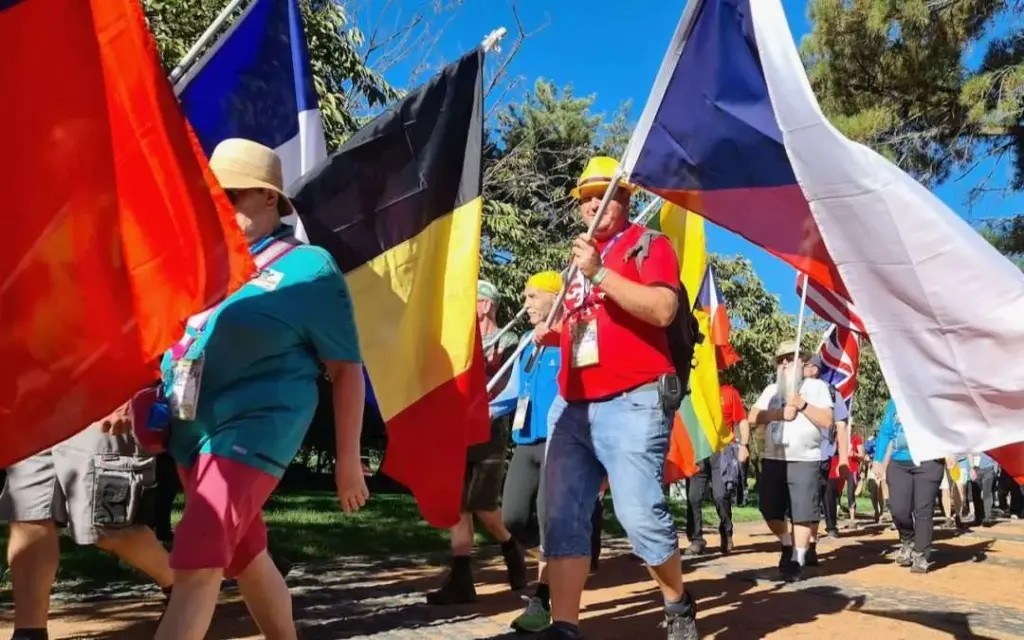
Introduction The Walk for Peace initiative has been gaining traction across various communities, emphasizing the necessity for unity and the importance of addressing global issues such as conflict, inequality, and societal turmoil. In a world increasingly marked by division and discord, events like the Walk for Peace aim to foster understanding, promote dialogue, and encourage
Introduction
The Walk for Peace initiative has been gaining traction across various communities, emphasizing the necessity for unity and the importance of addressing global issues such as conflict, inequality, and societal turmoil. In a world increasingly marked by division and discord, events like the Walk for Peace aim to foster understanding, promote dialogue, and encourage collective action to create a better future for all.
Background and Events
Founded in response to escalating violence and division, the Walk for Peace has seen participation from diverse groups, ranging from local advocates to international organizations. Most notably, the event has grown into a global phenomenon, with walks organized in cities like New York, London, and Nairobi, uniting thousands of participants.
In recent months, cities have hosted events in solidarity with communities affected by violence, with local leaders and representatives from non-profits speaking on the importance of peaceful resolutions. This year’s event in New York City witnessed a record turn-out, with over 10,000 participants marching through Central Park. Organizers reported a significant rise in engagement from younger generations, highlighting a renewed commitment to social justice.
Significance of the Movement
The Walk for Peace serves not only as an advocacy platform but also as a means of raising awareness about pressing issues such as gun violence, poverty, and discrimination. By marching together, individuals manifest their shared desire for a peaceful coexistence and the necessity for inclusive dialogues. Multiple studies indicate that community engagement in such initiatives can lead to a profound sense of connection among participants, fostering empathy and understanding.
Future Implications
As the world grapples with ongoing challenges, the continued growth of the Walk for Peace initiative suggests an increasing desire among individuals to engage with their communities and participate in the fight for peace. Future events are already being planned, with stakeholders discussing how to broaden their impact through educational workshops and partnerships with local schools and organizations.
Conclusion
The Walk for Peace movement signifies much more than a physical march; it embodies a collective yearning for harmony in a turbulent world. As more people join these initiatives, the hope for a more peaceful and united society becomes a tangible goal. Participation in the Walk for Peace not only amplifies individual voices but also connects communities, highlighting the ongoing need for understanding and collaboration in the pursuit of global peace.