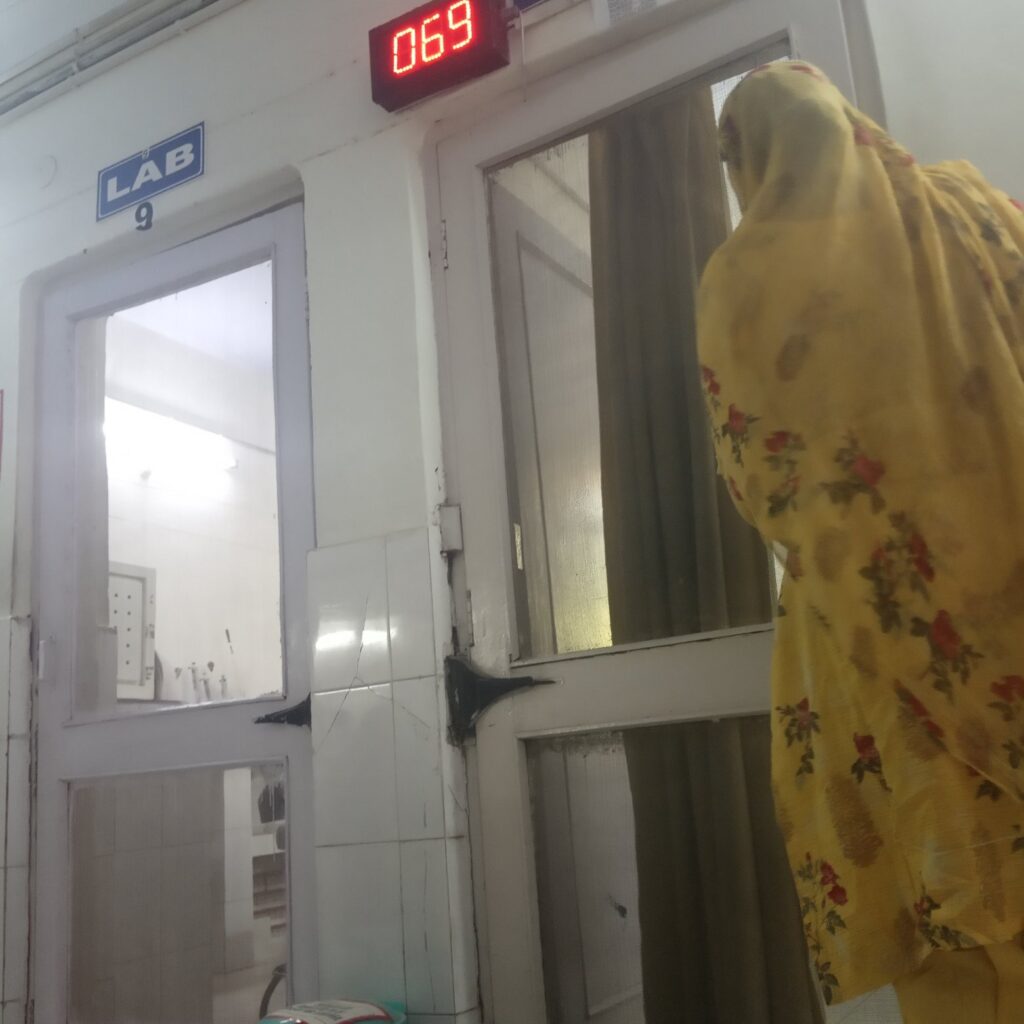
The Importance of Hospitals Hospitals serve as critical components of healthcare systems, providing essential services to communities worldwide. As the backbone of medical care, they not only treat the sick and injured but also engage in preventive care, education, and research. In recent years, the relevance of hospitals has only increased, particularly in light of
The Importance of Hospitals
Hospitals serve as critical components of healthcare systems, providing essential services to communities worldwide. As the backbone of medical care, they not only treat the sick and injured but also engage in preventive care, education, and research. In recent years, the relevance of hospitals has only increased, particularly in light of events such as the COVID-19 pandemic, which highlighted the need for robust healthcare infrastructure.
Recent Innovations in Hospitals
Over the past few years, hospitals have evolved with the adoption of innovative technologies aimed at enhancing patient care. Telemedicine has surged in popularity, allowing patients to consult with healthcare providers remotely, thereby improving accessibility, particularly for those in rural or underserved areas. Additionally, the implementation of electronic health records (EHR) has streamlined the management of patient information, supporting more coordinated and efficient care.
Another notable advancement is the integration of artificial intelligence (AI) in hospitals, where it is used for predictive analytics, improving diagnosis accuracy, and optimizing resource allocation. Hospitals are also focusing on sustainability, incorporating green building practices to reduce their environmental footprint and create healthier facilities.
Current Events in Hospital Systems
As hospitals adapt to new challenges, the industry faces significant issues, including staffing shortages and funding pressures. The American Hospital Association recently reported that nearly 80% of hospitals are experiencing staffing shortages, a problem that has been exacerbated by the pandemic. Moreover, inflation and fluctuating supply chain costs have put additional financial strain on hospital systems, leading many to reevaluate budgets and operational strategies.
In response, some hospitals are increasing their investment in staff well-being programs and implementing better retention strategies. On the legislative front, discussions about healthcare reform are ongoing, with potential impacts on how hospitals are funded and operated in the future.
Conclusion and Future Significance
In looking to the future, hospitals will continue to play a pivotal role in healthcare delivery. The ongoing integration of technology into hospital systems will likely lead to improved patient outcomes and operational efficiencies. However, addressing systemic challenges such as staffing and funding will be essential for hospitals to fulfill their mission of providing quality care. As hospitals navigate these complexities, their adaptability and commitment to serving their communities will determine their success in the years to come.