Introduction Vietnam, a rapidly developing Southeast Asian country, is notable for its rich history, vibrant culture, and dynamic economy. Over recent years, Vietnam has increasingly attracted global attention, solidifying its status as an emerging market with a promising future. This article explores Vietnam’s significance in the contemporary world, particularly in terms of economic growth and
Introduction
Vietnam, a rapidly developing Southeast Asian country, is notable for its rich history, vibrant culture, and dynamic economy. Over recent years, Vietnam has increasingly attracted global attention, solidifying its status as an emerging market with a promising future. This article explores Vietnam’s significance in the contemporary world, particularly in terms of economic growth and cultural heritage.
Economic Growth and Development
Vietnam’s economy has transformed remarkably since the Đổi Mới reforms that began in 1986, transitioning from a centrally planned economy to a socialist-oriented market economy. According to the World Bank, Vietnam’s GDP growth was around 6.5% in the fiscal year 2022, showcasing resilience amid global economic downturns caused by the COVID-19 pandemic.
The country’s export-driven economy has diversified significantly, making it one of the largest textile suppliers globally and a critical manufacturing hub, particularly for electronics. In 2021 alone, total exports reached over $336 billion. Furthermore, Vietnam is becoming a preferred destination for foreign direct investment (FDI) as companies look to leverage its competitive labor costs and favorable business environment.
Cultural Heritage
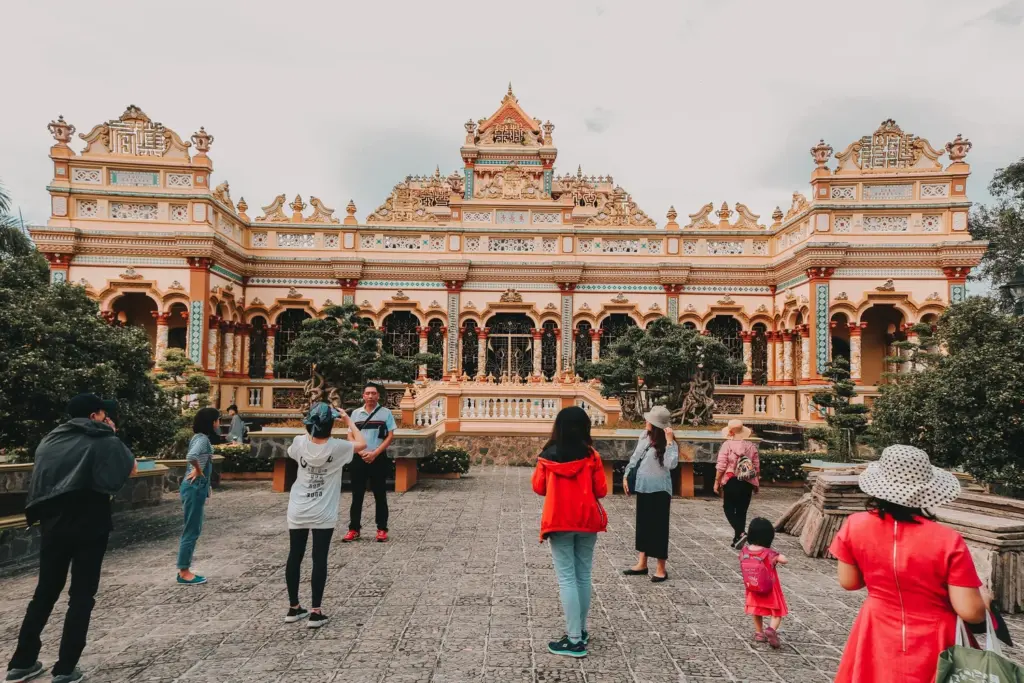
Beyond economic growth, Vietnam boasts a wealth of cultural heritage that attracts millions of tourists every year. With over 4,000 years of history, its cultural landscape is a tapestry of indigenous traditions and significant influences from neighboring countries and former colonizers. Landmarks such as Ha Long Bay, the ancient town of Hoi An, and the historic city of Hue exemplify Vietnam’s unique charm and historical significance.
Food is another vital aspect of Vietnamese culture, with dishes like Pho and Bun Cha gaining global acclaim. The culinary variety reflects the regional diversity and rich agricultural bounty of the country, ensuring that flavors and traditions are preserved even amid modernization.
Conclusion
In conclusion, Vietnam’s role on the global stage is burgeoning, driven by its economic advancement and rich cultural identity. As more investors and travelers explore its various offerings, Vietnam is set to continue its growth trajectory, fostering connections with nations worldwide. The significance of Vietnam extends far beyond its borders, making it a country to watch in both economic and cultural contexts for years to come.