Introduction The Opening Ceremony of the Olympics is a highly anticipated event that marks the official start of the Games. It is not just a pageant; it is a celebration of culture, unity, and sportsmanship, showcasing the host nation’s history and diversity to a global audience. The spectacle has grown in scale and significance over
Introduction
The Opening Ceremony of the Olympics is a highly anticipated event that marks the official start of the Games. It is not just a pageant; it is a celebration of culture, unity, and sportsmanship, showcasing the host nation’s history and diversity to a global audience. The spectacle has grown in scale and significance over the years, making it a key highlight of any Olympic Games.
Major Highlights of the Opening Ceremony
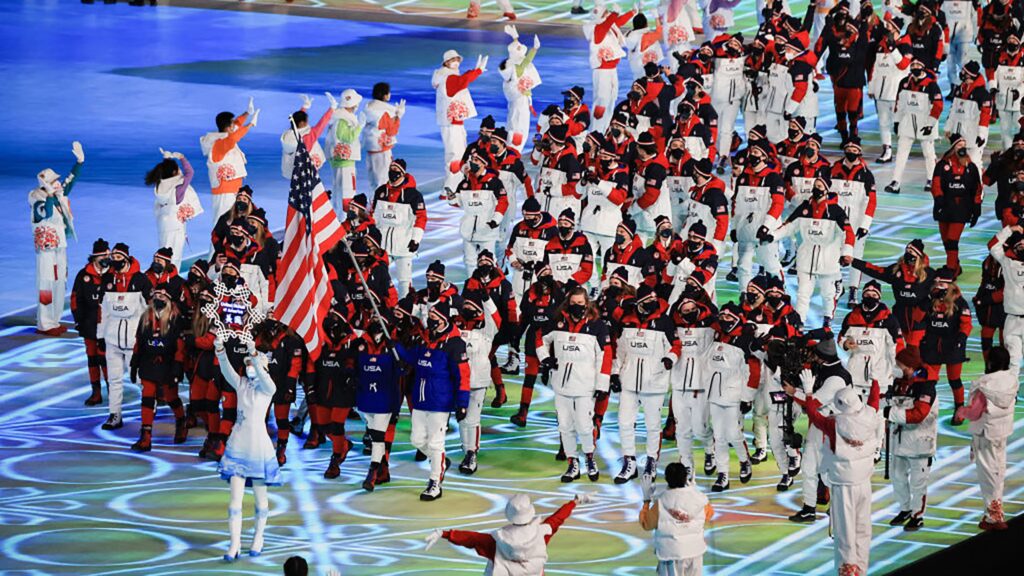
The Opening Ceremony is typically characterized by a series of performances, speeches, and the parade of nations. Each country participating in the Games is represented by its athletes, proudly marching into the stadium behind its national flag. The ceremony often includes artistic performances that reflect the host country’s culture, traditions, and values.
For instance, the 2021 Tokyo Olympics Opening Ceremony featured cutting-edge technology, traditional Japanese music, and elements of pop culture, all while emphasizing themes of hope and resilience amid the challenges posed by the COVID-19 pandemic. This year also marked the first time in Olympic history that the event was held without a live audience due to health protocols, underscoring the flexibility and adaptability of the event in unprecedented times.
Current Events and Future Implications
The forthcoming Paris 2024 Summer Olympics promises to continue the legacy of grand and imaginative openings. Aimed at bringing participants and viewers together post-pandemic, the concept for the upcoming ceremonies emphasizes inclusivity and environmental sustainability. Spectacular venues like the Seine River will create an open-air experience, allowing for accessibility and community engagement beyond the confines of traditional stadium settings.
As we look ahead, the implications of the Opening Ceremony extend beyond mere celebration. It is a platform for social and political statements, often highlighting pressing global issues such as climate change, equality, and peace. For example, the 2024 ceremony is expected to be a stage for advocating climate action through innovative performances that promote sustainability.
Conclusion
The Opening Ceremony of the Olympics is not only a ceremonial beginning but also a focal point that encapsulates the essence of the Olympic spirit. With each games, it adapts and evolves, reflecting both the host country’s identity and the current global narrative. As preparations for the Paris 2024 Olympics ramp up, the world watches to see how this tradition will continue to inspire and unite people across the globe, showcasing the power of sport to bridge cultural divides and enhance mutual understanding.