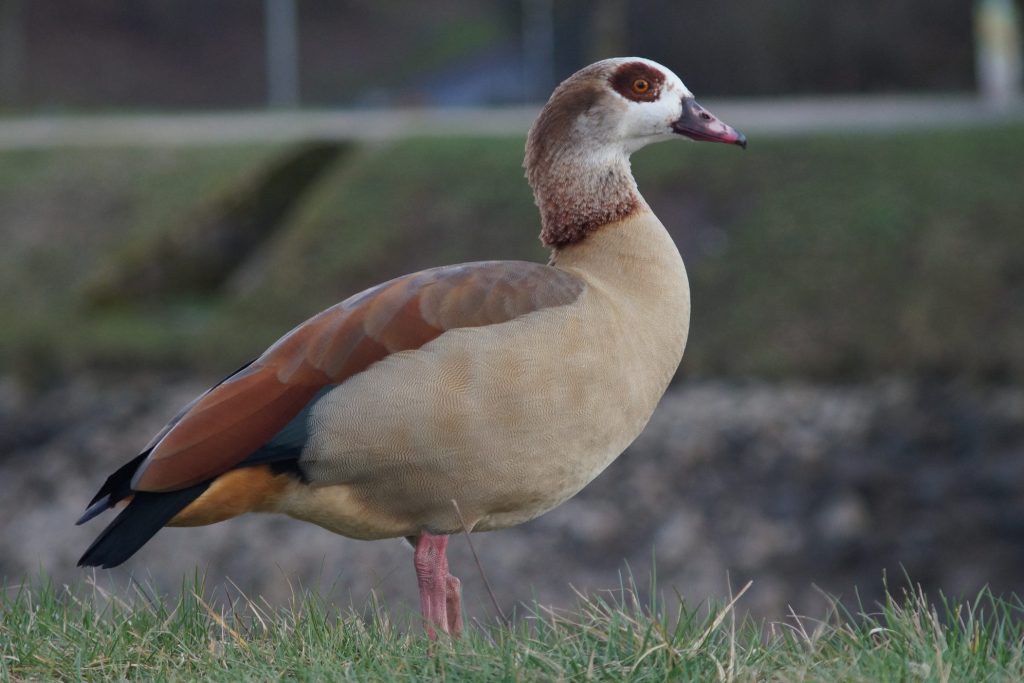
Introduction Geese play a crucial role in various ecosystems throughout the world, serving as both ecological indicators and important components of agricultural landscapes. As migratory birds, geese impact their habitats significantly, influencing plant life and contributing to nutrient cycling. Understanding the importance of geese helps us appreciate their value in nature and the many ways
Introduction
Geese play a crucial role in various ecosystems throughout the world, serving as both ecological indicators and important components of agricultural landscapes. As migratory birds, geese impact their habitats significantly, influencing plant life and contributing to nutrient cycling. Understanding the importance of geese helps us appreciate their value in nature and the many ways they interact with human activities.
Biological Importance of Geese
Geese are herbivorous birds primarily found in North America and Europe. They have adapted to a wide range of environments, including wetlands, grasslands, and agricultural landscapes. Their grazing habits help manage vegetation, maintaining the health of ecosystems by promoting biodiversity. When geese feed, they consume grasses and other plants, which can stimulate new growth and provide habitats for other wildlife.
Geese and Agriculture
In agricultural contexts, geese are often viewed with mixed feelings. While they can be pests that damage crops, particularly in fields of grain, they also offer several benefits. Farmers utilize geese for natural weed control, as they consume unwanted plant species, reducing the need for chemical herbicides. Additionally, geese droppings serve as a natural fertilizer, enhancing soil quality and providing essential nutrients for subsequent crop growth.
Migration and Conservation
Geese are known for their migratory patterns, traveling thousands of miles between breeding and wintering grounds. This migration is vital for their survival and impacts many ecosystems along their route. However, climate change and habitat loss pose significant challenges to their migratory habits. Organizations and wildlife enthusiasts are now advocating for conservation efforts to protect critical habitats and migration corridors for geese, ensuring their populations remain stable.
Conclusion
In conclusion, geese are much more than just common birds; they contribute significantly to ecological balance and agricultural productivity. As climate change and human activities continue to threaten their habitats, it is crucial for communities to recognize their role and work towards sustainable practices that foster coexistence. Protecting geese not only helps preserve a species but also enhances the overall health of our ecosystems, benefiting both wildlife and human communities alike. Looking ahead, fostering awareness and conservation efforts for these remarkable birds will be essential for their continued survival and ecological contributions.