Introduction Alexei Navalny, a prominent Russian opposition leader, has garnered global attention due to his fierce opposition to President Vladimir Putin’s regime. Navalny’s activism, marked by anti-corruption investigations and calls for political reform, has resonated not only in Russia but also internationally, embodying the struggle for democracy and human rights in an increasingly authoritarian landscape.
Introduction
Alexei Navalny, a prominent Russian opposition leader, has garnered global attention due to his fierce opposition to President Vladimir Putin’s regime. Navalny’s activism, marked by anti-corruption investigations and calls for political reform, has resonated not only in Russia but also internationally, embodying the struggle for democracy and human rights in an increasingly authoritarian landscape.
Recent Events
Recently, Navalny returned to Russia after recovering from a poisoning attempt in 2020, which many believe was orchestrated by the Kremlin. Upon his return in January 2021, he was promptly arrested, leading to widespread protests across the country and renewed condemnations from Western nations. The European Union and the United States condemned his imprisonment, viewing it as part of a broader pattern of repression against dissenters in Russia.
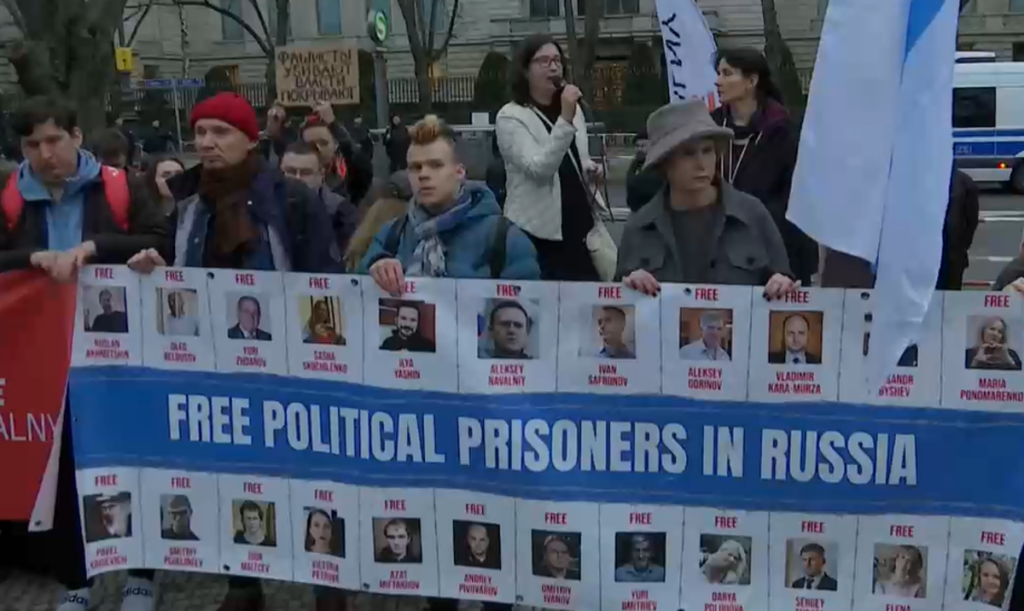
In October 2023, Navalny was sentenced to a further nine years in prison on charges deemed politically motivated, which has led to international outrage. His supporters advocate that these actions are a direct attack on free speech and the right to political dissent. Human rights organizations such as Amnesty International and Human Rights Watch have repeatedly called for his immediate release, highlighting his situation as emblematic of the challenges faced by activists in Russia.
Impact and Relevance
Navalny’s plight goes beyond his individual circumstances; it represents a critical flashpoint in the fight for democratic governance in Russia. His efforts to expose corruption, notably through his Anti-Corruption Foundation, have sparked a movement among the Russian populace, particularly among younger generations disillusioned with failed policies and rampant corruption within the government.
The global reaction to Navalny’s situation underscores the growing tensions between authoritarian regimes and democratic nations. Supporters view him as a martyr for democracy, and his resilience continues to inspire activists worldwide who advocate for political change in oppressive environments.
Conclusion
The future of Alexei Navalny remains precarious, with his ongoing imprisonment reflecting a stark reminder of the costs associated with standing up to tyranny. As awareness of his situation spreads, it raises questions about global responsibility toward human rights and political freedom. The world watches closely, and while Navalny’s physical presence may be silenced, his message and the movement he has fostered may continue to thrive, encouraging others to stand against tyranny in the pursuit of justice and democracy.