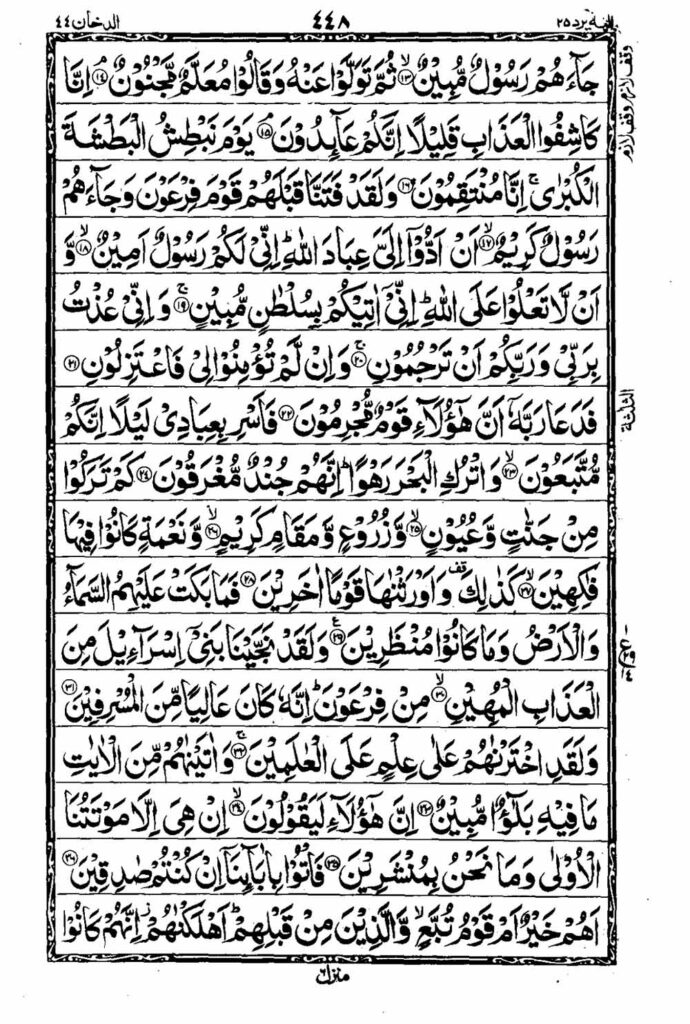
Introduction The Quran is the holy book of Islam, regarded by Muslims as the word of God as revealed to the Prophet Muhammad. With over 1.9 billion followers, Islam is one of the fastest-growing religions worldwide, making understanding the Quran crucial for grasping its immense influence on culture, law, and daily life in various parts
Introduction
The Quran is the holy book of Islam, regarded by Muslims as the word of God as revealed to the Prophet Muhammad. With over 1.9 billion followers, Islam is one of the fastest-growing religions worldwide, making understanding the Quran crucial for grasping its immense influence on culture, law, and daily life in various parts of the globe.
The Significance of the Quran
The Quran is composed of 114 chapters, known as Surahs, and is written in Arabic. It covers various aspects of life, including morality, ethics, guidance for personal conduct, and legal principles. The book is not only a religious text but also a cornerstone of Islamic culture and education. Its recitation is considered an act of worship, reinforcing its spiritual significance in the lives of Muslims.
Recent Developments
In recent weeks, global events have renewed focus on the Quran. Public discussions have arisen regarding freedom of expression and respect for religious texts following controversial incidents involving Quran desecration. This has sparked protests across several countries and conversations about the role of religion in today’s society. Many Islamic scholars and leaders emphasize the importance of understanding the Quran’s teachings rather than focusing on fringe actions that misinterpret its messages.
Educational Efforts
In response to growing misunderstandings about Islamic teachings, various organizations are ramping up educational efforts. Initiatives include hosting interfaith dialogues, distributing English translations of the Quran, and providing resources to improve literacy about Islam’s core beliefs. Such initiatives highlight the importance of dialogue and education to foster tolerance and respect among different cultures and religions.
Conclusion
The Quran remains central to the lives of millions, offering guidance and inspiration as they navigate complex modern challenges. Current events underline the necessity of mutual understanding and respect for religious beliefs. As the world becomes more interconnected, the call for informed dialogue regarding the Quran and its teachings grows louder. Developing a comprehensive understanding of this sacred text can lead to greater harmony and coexistence in a diverse global landscape.