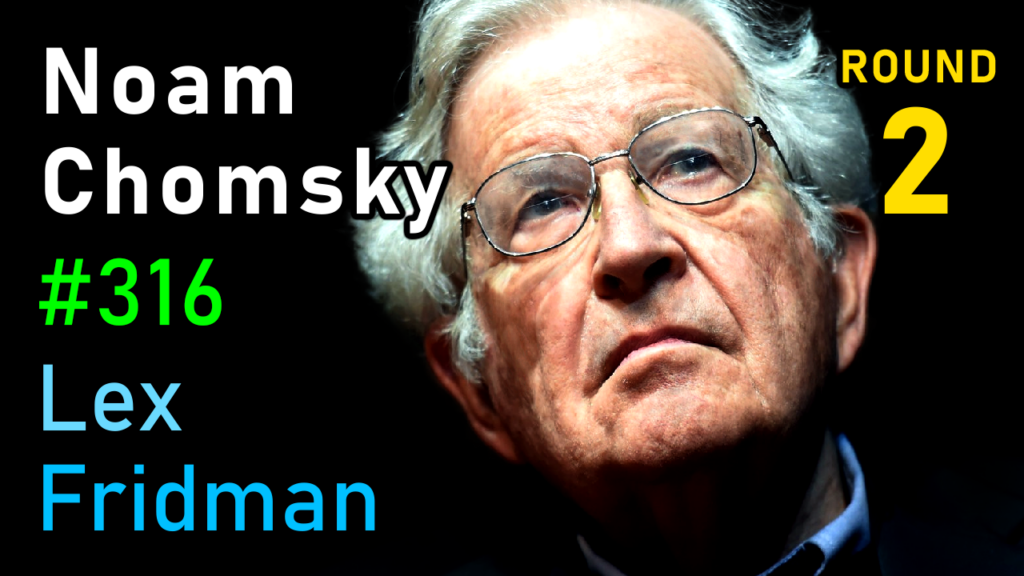
Introduction Noam Chomsky, an influential figure in both linguistics and political activism, continues to shape conversations around language, cognition, and society. His theories have not only revolutionized how we understand language but have also impacted political thought and activism worldwide. As debates surrounding education, media, and public policy become increasingly complex, Chomsky’s insights remain relevant,
Introduction
Noam Chomsky, an influential figure in both linguistics and political activism, continues to shape conversations around language, cognition, and society. His theories have not only revolutionized how we understand language but have also impacted political thought and activism worldwide. As debates surrounding education, media, and public policy become increasingly complex, Chomsky’s insights remain relevant, prompting renewed interest in his work.
Chomsky’s Linguistic Revolution
Born on December 7, 1928, Chomsky established a new paradigm in linguistics with his theory of generative grammar and the concept of a universal grammar, proposing that the ability to acquire language is innate to humans. His seminal work, “Syntactic Structures,” published in 1957, challenged behaviorist views of language acquisition, arguing instead that children are born with an inherent understanding of language rules. This radical shift paved the way for modern linguistics, influencing fields as diverse as psychology, cognitive science, and artificial intelligence.
Political Activism and Social Critique
Beyond linguistics, Chomsky has been a prominent critic of U.S. foreign policy and media practices. His book “Manufacturing Consent,” co-authored with Edward S. Herman, examines how mass media serves the interests of powerful elites rather than the public. Through lectures and writings, particularly in times of conflict and political unrest, Chomsky offers sharp critiques of imperialism and advocates for social justice, continuously urging citizens to question authority and engage in political discourse.
Recent Developments and Legacy
Chomsky’s contributions have not gone unnoticed in recent times. In 2023, the linguist spoke at several international conferences, addressing the implications of AI in language processing, the need for ethical considerations in technology, and the responsibilities of intellectuals in a democratic society. His enduring legacy is evident in the way his ideas continue to inspire both academic research and grassroots activism.
Conclusion
Noam Chomsky remains a pivotal figure whose work transcends disciplinary boundaries. As we navigate the challenges of an ever-evolving world, his discourse on language, cognition, and social justice serves as a guiding force. Readers are encouraged to engage with Chomsky’s writings and lectures, not only to better understand the intricacies of language but also to participate in the vital discussions surrounding contemporary political landscapes. In a time when misinformation is rampant, Chomsky’s emphasis on critical thinking and activism cannot be overstated.