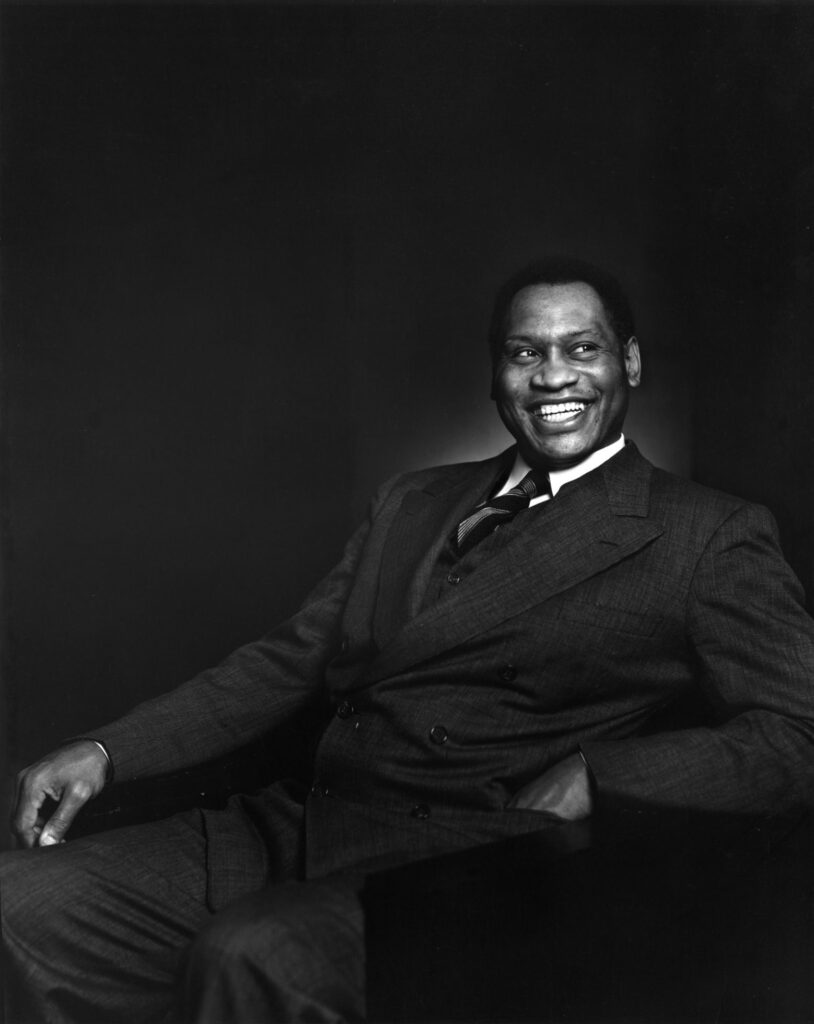
Introduction Paul Robeson was a man of many talents—an acclaimed singer, actor, and civil rights activist. His contributions to the arts and social justice make him a significant figure in American history. Robeson’s dedication to fighting against racial discrimination and advocating for civil rights resonates with today’s ongoing social movements, making his legacy particularly relevant
Introduction
Paul Robeson was a man of many talents—an acclaimed singer, actor, and civil rights activist. His contributions to the arts and social justice make him a significant figure in American history. Robeson’s dedication to fighting against racial discrimination and advocating for civil rights resonates with today’s ongoing social movements, making his legacy particularly relevant in the current climate.
The Early Years
Born on April 9, 1898, in Princeton, New Jersey, Paul Robeson was the son of a former slave. He excelled academically, earning a scholarship to Rutgers University, where he was a standout athlete, graduating as class valedictorian in 1919. His academic success was followed by a law degree from Columbia University, although he ultimately chose to pursue a career in theater and music.
Cultural Contributions
Robesan’s achievements in music and film are noteworthy. His deep baritone voice and powerful performances of songs such as ‘Ol’ Man River’ made him a beloved figure in the early 20th-century arts scene. He became the first African American actor to portray Othello on Broadway in 1943, bringing unique depth to the role and flourishing in theater until his later film roles, such as in ‘Song of Freedom’ (1936).
Activism and Civil Rights
Beyond his artistic pursuits, Robeson was a committed advocate for social justice. Throughout his life, he spoke out against racism, imperialism, and inequality. His trips to the Soviet Union during the 1930s inspired his activism and bolstered his reputation as an international voice for peace and justice. However, this involvement also led to a backlash during the Red Scare, resulting in government surveillance and the eventual denial of his passport for nearly a decade.
Later Years and Legacy
Despite these challenges, Robeson continued to raise awareness for civil rights and labor issues until his death in 1976. His life story remains an inspiration to many, epitomizing the struggle for equality and the importance of using one’s platform for advocacy.
Conclusion
Paul Robeson’s legacy is a testament to the power of art as a vehicle for social change. His life embodies the intersection of culture and civil rights, serving as a reminder that the fight for justice is an ongoing journey. As discussions about race, equality, and representation continue, Robeson’s contributions provide both inspiration and a call to action for future generations.