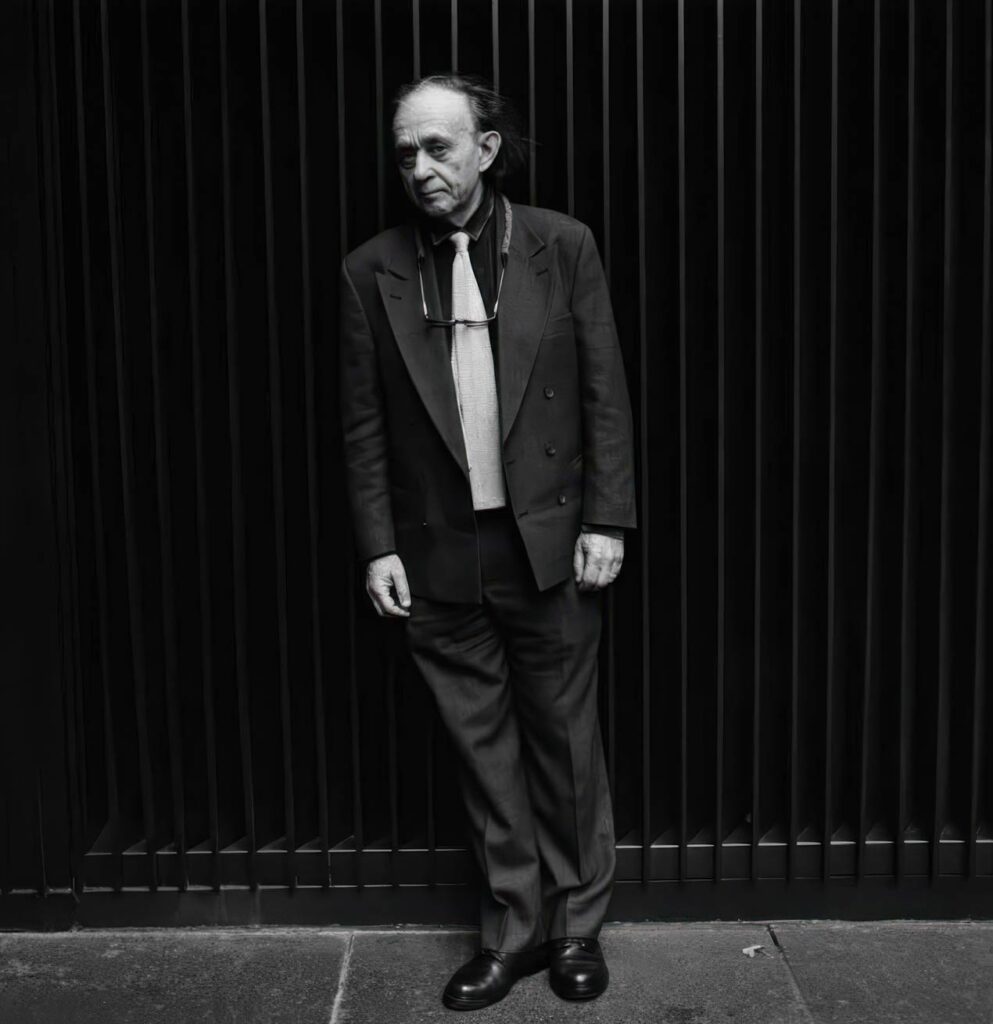
Introduction Frederick Wiseman, an iconic figure in documentary filmmaking, has spent over six decades shaping the genre through his unique observational style. Born in 1930 in Boston, Massachusetts, Wiseman’s work offers profound insights into the complexities of American institutions and society. His films often depict environments like schools, hospitals, and communities, allowing audiences to engage
Introduction
Frederick Wiseman, an iconic figure in documentary filmmaking, has spent over six decades shaping the genre through his unique observational style. Born in 1930 in Boston, Massachusetts, Wiseman’s work offers profound insights into the complexities of American institutions and society. His films often depict environments like schools, hospitals, and communities, allowing audiences to engage with authentic narratives without the influence of narration or scripted dialogues, making his contributions especially relevant in today’s media landscape.
Wiseman’s Approach to Filmmaking
Wiseman’s methodology is distinguished by long takes and unstructured interviews that promote a genuine understanding of the subjects he portrays. His first film, “Titicut Follies” (1967), focused on the bridgewater State Hospital for the criminally insane, exposing the often brutal reality of psychiatric care. This work not only received attention for its harsh realism but also raised ethical questions about documentary filmmaking. His films challenge spectators to analyze the socio-political implications of the institutions he explores.
Recent Works and Continued Relevance
In recent years, Wiseman has continued to produce impactful documentaries such as “Ex Libris: The New York Public Library” (2017) and “City Hall” (2020). These works reflect his ongoing engagement with public institutions amidst a changing cultural landscape. “City Hall” offered a deep dive into the operations of local government in Boston, showcasing how civic engagement can reshape communities. Wiseman’s keen eye for detail shines through as he captures the workings of democracy at a grassroots level, making it particularly relevant as discussions about civic responsibility prevail in contemporary discourse.
Conclusion
Frederick Wiseman’s influence on documentary filmmaking is profound, continuously pushing the boundaries of how stories are told through film. His commitment to capturing the essence of societal structures remains significant today, as his films encourage critical thought about the institutions we engage with daily. As audiences grow increasingly interested in authentic and thought-provoking content, Wiseman’s legacy will undoubtedly inspire future generations of filmmakers and viewers alike. His work serves as a reminder of the power of documentary storytelling to illuminate the human experience.