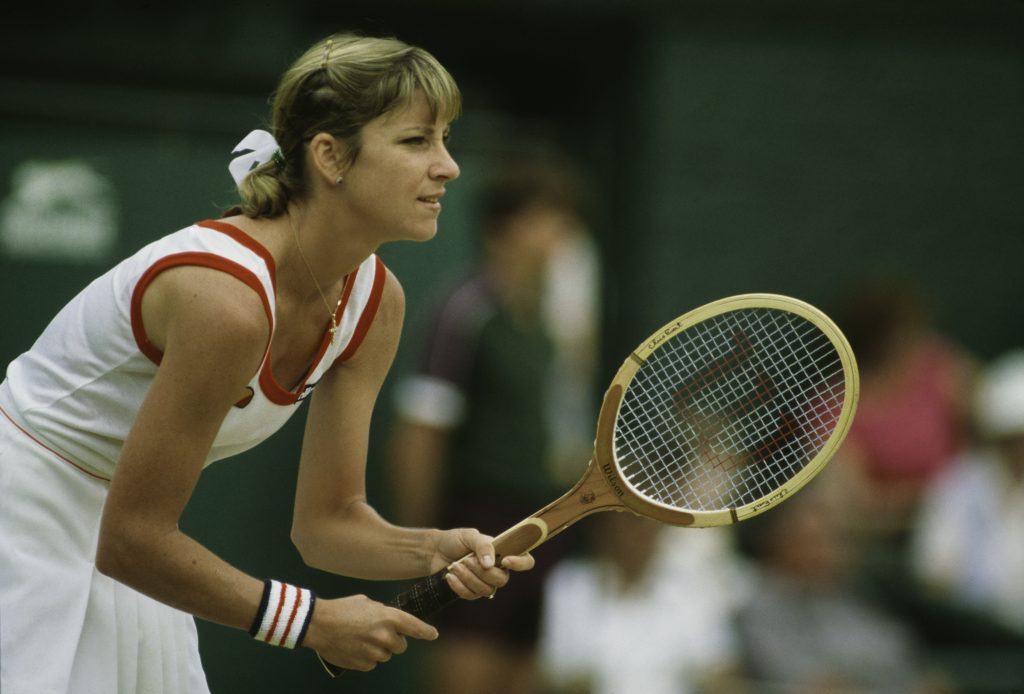
Introduction Chris Evert, an American former world No. 1 professional tennis player, is celebrated not only for her remarkable achievements on the court but also for her role in popularizing women’s tennis. With 18 Grand Slam singles titles to her name, her influence extends far beyond her playing days, continuing to inspire future generations of
Introduction
Chris Evert, an American former world No. 1 professional tennis player, is celebrated not only for her remarkable achievements on the court but also for her role in popularizing women’s tennis. With 18 Grand Slam singles titles to her name, her influence extends far beyond her playing days, continuing to inspire future generations of athletes. Understanding her journey and contributions helps underscore the significance of female athletes in sports history.
Chris Evert’s Tennis Career
Born on December 21, 1954, in Fort Lauderdale, Florida, Chris Evert began playing tennis at a young age. She turned professional in 1972 and quickly made a name for herself with her aggressive play style and mental toughness. Throughout her career, Evert’s rivalry with fellow tennis star Martina Navratilova captivated audiences and played a crucial role in elevating the popularity of women’s tennis during the 1970s and 1980s.
Achievements and Impact
Over her illustrious career, Evert secured 18 Grand Slam singles titles, a record that stood for years and still ranks her among the elite in tennis history. She spent a total of 260 weeks as the world No. 1 and was inducted into the International Tennis Hall of Fame in 1995. Beyond personal accolades, Evert’s involvement in the sport has helped forge paths for future female athletes. She was a vocal advocate for gender equality in sports, fighting for better pay and opportunities for women athletes, long before it became a mainstream discussion.
Post-Retirement Influence
After retiring from professional play in 1989, Chris Evert transitioned into coaching, commentary, and philanthropy. She launched the Chris Evert Charities, focusing on drug prevention programs for minority youth. Evert has also remained closely associated with tennis, providing insight as a commentator and taking part in various events that promote the sport. Her commitment to helping others has solidified her legacy as a figure of compassion and leadership in athletics.
Conclusion
As we reflect on Chris Evert’s career and ongoing contributions to tennis and society, it’s clear that her impact goes well beyond her match records and titles. Evert stands as a symbol of empowerment for female athletes everywhere, showcasing that dedication, skill, and resilience can break barriers in sports and beyond. As the sports world continues to evolve, Evert’s legacy will undoubtedly resonate, encouraging young girls to pursue their passions and assert their place in history.