Introduction In an increasingly digital world, the significance of incident response plans cannot be overstated. These plans are designed to assist organizations in effectively responding to and recovering from cybersecurity incidents. As cyber threats become more sophisticated, having a solid incident response plan is crucial for safeguarding sensitive information and maintaining business continuity. Understanding Incident
Introduction
In an increasingly digital world, the significance of incident response plans cannot be overstated. These plans are designed to assist organizations in effectively responding to and recovering from cybersecurity incidents. As cyber threats become more sophisticated, having a solid incident response plan is crucial for safeguarding sensitive information and maintaining business continuity.
Understanding Incident Response Plans
An incident response plan is a documented strategy outlining how to respond to cybersecurity incidents. This includes procedures for identifying, investigating, and mitigating incidents, ensuring that organizations can act quickly and efficiently. According to a recent study by the Ponemon Institute, companies with an established incident response plan save an average of $2 million during a data breach.
Recent Trends and Statistics
In 2023, the frequency of ransomware attacks has surged, prompting more businesses to prioritize their incident response strategies. The Cybersecurity and Infrastructure Security Agency (CISA) reported that 93% of organizations are now implementing or updating their incident response plans. Additionally, the National Institute of Standards and Technology (NIST) has updated its guidance, emphasizing the importance of regular training and simulations to keep teams prepared for real-world events.
Key Components of an Effective Incident Response Plan
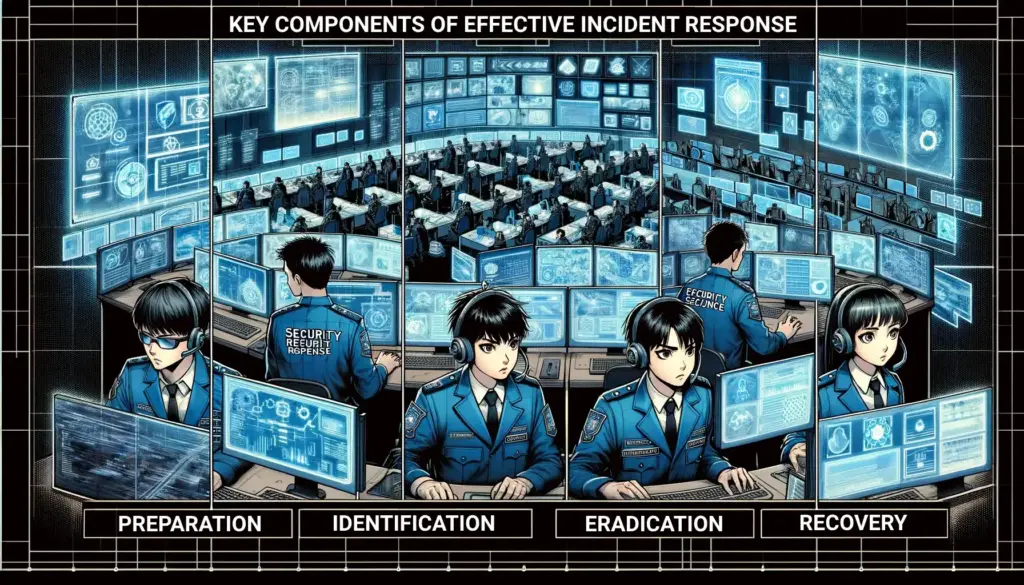
For an incident response plan to be effective, it should include:
- Preparation: Training team members, establishing communication protocols, and ensuring necessary tools are in place.
- Identification: Detecting potential incidents through monitoring and information gathering.
- Containment: Limiting damage by isolating affected systems and data.
- Eradication: Finding the root cause of the incident and eliminating it.
- Recovery: Restoring and validating system functionality after the incident.
- Lessons Learned: Analyzing the incident to improve future response efforts.
Conclusion
The urgency for organizations to develop and implement robust incident response plans has never been more pronounced. As cyber threats continue to evolve, having a structured approach to incident management not only minimizes financial losses but also reinstills customer trust. Looking ahead, it is anticipated that as AI and machine learning technologies become integrated into security frameworks, incident response plans will further evolve, ensuring businesses can effectively tackle emerging threats. For organizations, the time to act is now; investing in a comprehensive incident response plan today will pave the way for a secure tomorrow.