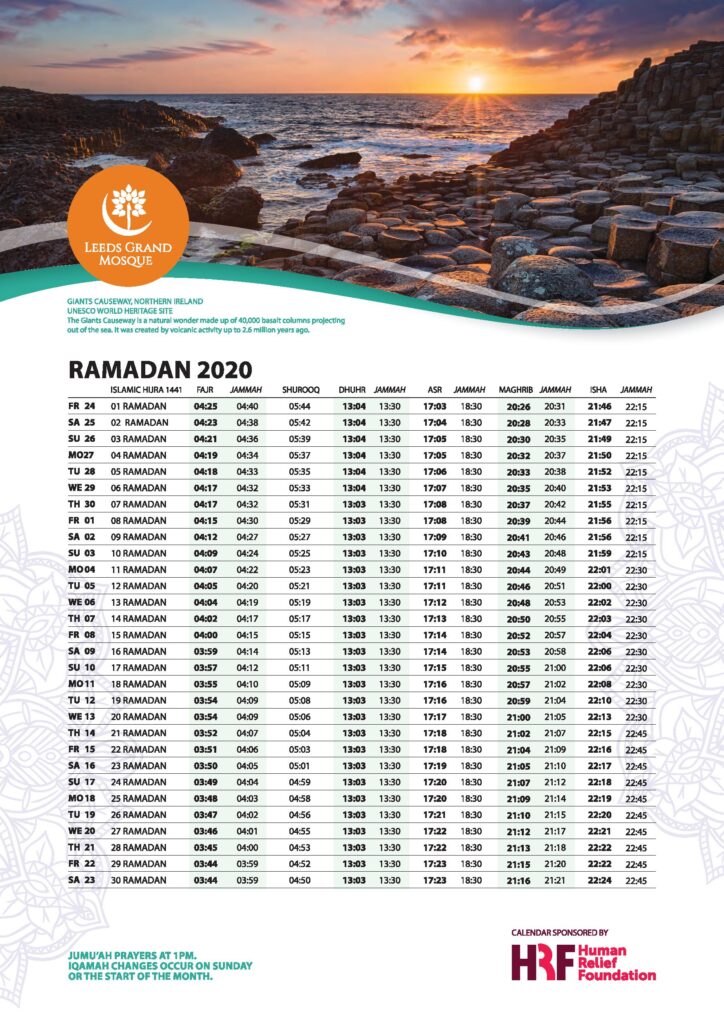
Introduction to Ramadan Ramadan is the ninth month of the Islamic lunar calendar and is widely regarded as the holiest month for Muslims around the world. It is a time of fasting, reflection, prayer, and community. Observed by millions of people, Ramadan holds profound significance and is crucial for strengthening faith, self-discipline, and compassion for
Introduction to Ramadan
Ramadan is the ninth month of the Islamic lunar calendar and is widely regarded as the holiest month for Muslims around the world. It is a time of fasting, reflection, prayer, and community. Observed by millions of people, Ramadan holds profound significance and is crucial for strengthening faith, self-discipline, and compassion for those less fortunate.
Fasting during Ramadan
The most notable feature of Ramadan is the daily fasting observed from dawn until sunset. During this month, Muslims refrain from eating, drinking, smoking, and engaging in sinful behaviors. The fast, known as ‘Sawm’, is intended to cultivate spiritual growth, self-control, and empathy for the needy. The pre-dawn meal is called ‘Suhoor’, while the meal to break the fast at sunset is termed ‘Iftar’.
Rituals and Practices
As Ramadan unfolds, Muslims engage in various practices designed to deepen their spirituality. Many increase their prayers, particularly additional nightly prayers known as ‘Taraweeh’. The recitation of the Quran, the holy book of Islam, is also emphasized, with many striving to complete its reading during the month. Acts of charity, known as ‘Zakat’, are also heightened during this period, emphasizing the importance of giving back to the community.
Significance of Ramadan
Ramadan is more than just fasting; it is a time for reflection, improvement of character, and fostering a sense of community. The month is also marked by heightened awareness of the less fortunate, encouraging Muslims to perform charitable actions and support those in need. Eid al-Fitr, the festival marking the end of Ramadan, is celebrated with feasts, social gatherings, and giving of gifts, reinforcing the spirit of joy and gratitude.
Current Context of Ramadan
This year’s Ramadan, which began on March 23, 2023, and runs until April 21, is being observed amidst global challenges, including the ongoing effects of the pandemic and various humanitarian crises. The shared experience of fasting serves to unite Muslims across the globe, highlighting resilience in times of adversity and fostering a collective commitment to peace and solidarity.
Conclusion
As Ramadan continues to unfold, its significance resonates beyond personal faith, impacting communities around the world. For many, it serves as a reminder of the importance of compassion, self-discipline, and reaching out to others in need. Observers of Ramadan are encouraged to carry forward these principles long after the month has passed, fostering a spirit of unity and kindness in their daily lives.