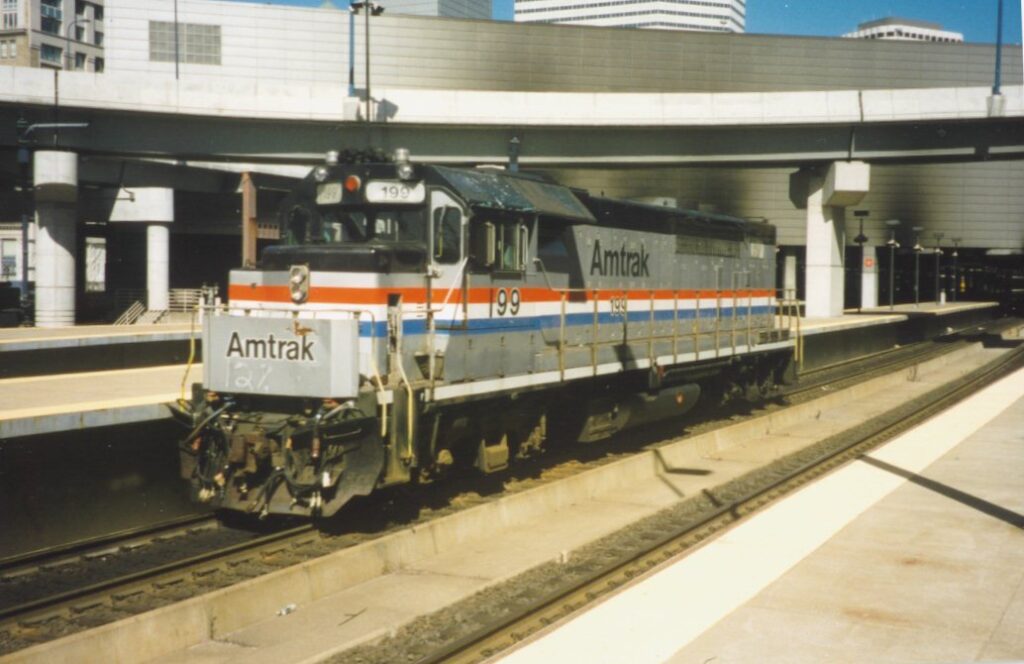
Introduction Amtrak, officially known as the National Railroad Passenger Corporation, plays a crucial role in providing passenger rail services across the United States. Founded in 1971, Amtrak has since been pivotal in connecting cities and communities, offering an alternative to road and air travel. In a time when sustainable transportation is essential, understanding Amtrak’s operations,
Introduction
Amtrak, officially known as the National Railroad Passenger Corporation, plays a crucial role in providing passenger rail services across the United States. Founded in 1971, Amtrak has since been pivotal in connecting cities and communities, offering an alternative to road and air travel. In a time when sustainable transportation is essential, understanding Amtrak’s operations, recent developments, and future direction is particularly relevant.
Recent Developments
As of late 2023, Amtrak has seen a significant resurgence in ridership following the downturn caused by the COVID-19 pandemic. The company reported a remarkable 20% increase in passenger numbers for the summer travel season compared to the previous year. This uptick highlights the growing preference among travelers for train travel due to its convenience and reduced environmental impact.
In an effort to modernize its fleet, Amtrak has added new trains to several routes, notably the Acela service in the Northeast Corridor. The new high-speed trains feature enhanced comfort and amenities, with the introduction of onboard Wi-Fi, spacious seating, and better dining options. This modernization comes as part of Amtrak’s broader plan to invest $7.3 billion received through the Infrastructure Investment and Jobs Act to refurbish and expand services, particularly in underserved regions.
Expansion and Future Plans
Looking ahead, Amtrak is focused on expanding its routes and increasing service reliability. The agency is currently working on several new projects, including a much-anticipated service expansion into the Gulf Coast region, connecting cities like New Orleans and Mobile. Additionally, investments in improvements to existing routes, such as additional trains on popular routes, are underway to make travel more accessible.
Moreover, the commitment to environmental sustainability is a major focus for Amtrak. As part of its strategic framework, Amtrak aims to achieve net-zero carbon emissions by 2040. This initiative involves upgrading tracks to support cleaner trains and exploring alternative fuels, aligning with the growing demand for greener transportation options.
Conclusion
Amtrak’s role in America’s transportation network is more significant than ever as it adapts to changing travel behaviors and the need for sustainable solutions. With an increased focus on service expansion, fleet modernization, and environmentally-friendly initiatives, Amtrak is poised to meet the evolving needs of travelers in the years to come. For readers considering travel options, Amtrak presents a viable and eco-friendly alternative that not only enhances accessibility but also fosters a renewed appreciation for rail travel in the United States.