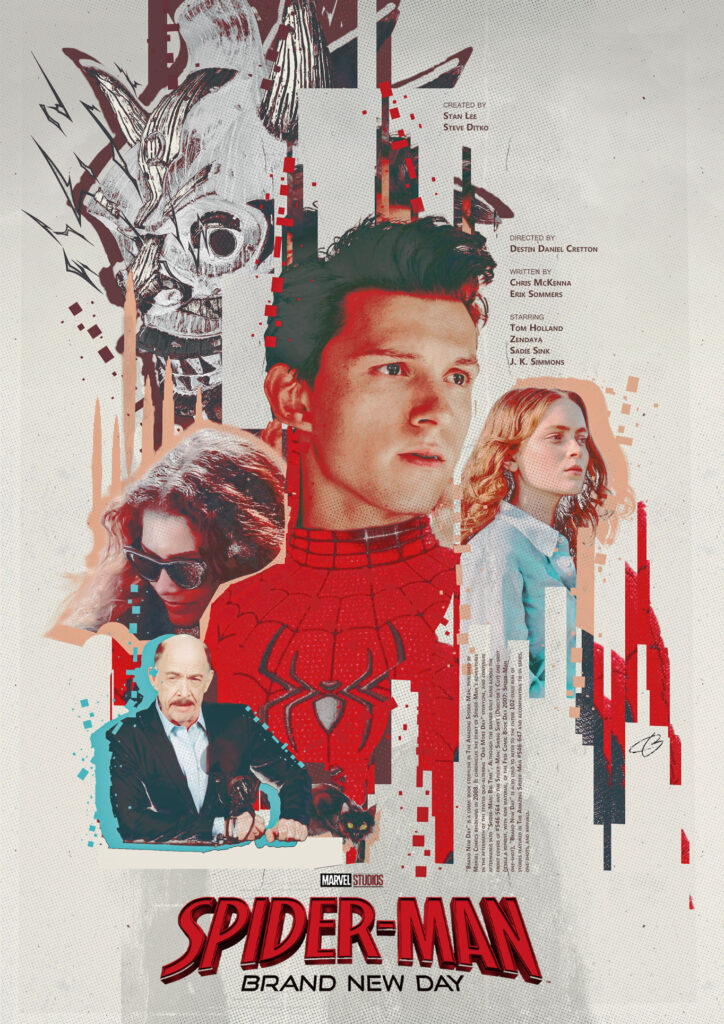
Introduction Spider-Man is one of the most enduring and beloved superheroes in comic book history. Originally created by writer Stan Lee and artist Steve Ditko in 1962, Spider-Man’s adventures have been chronicled through various story arcs over the decades. One of the most significant and controversial arcs was ‘Brand New Day,’ which began in 2007.
Introduction
Spider-Man is one of the most enduring and beloved superheroes in comic book history. Originally created by writer Stan Lee and artist Steve Ditko in 1962, Spider-Man’s adventures have been chronicled through various story arcs over the decades. One of the most significant and controversial arcs was ‘Brand New Day,’ which began in 2007. This storyline marked a departure from previous narratives and introduced sweeping changes to Peter Parker’s life, revitalizing the character for a new generation of readers.
Overview of ‘Brand New Day’
Launched after the conclusion of the ‘One More Day’ storyline, which saw Peter Parker making a Faustian bargain with the demon Mephisto to save Aunt May, ‘Brand New Day’ aimed to reset Peter’s life. This initiative was a bold move by Marvel Comics, intending to make Spider-Man relatable to both new readers and long-time fans. The daily newspaper format was adapted to reflect Spider-Man’s new status quo, allowing for a serialization of stories that emphasized his dual identity as a superhero and a struggling young man.
Key Themes and Changes
‘Brand New Day’ introduced several changes that would define Spider-Man’s narrative moving forward. This included a return to his single status, as the relationship with Mary Jane Watson was effectively erased due to the deal with Mephisto. New supporting characters, such as the hero Anti-Venom and various new villains, emerged, paving the way for fresh storylines. The comic emphasized vital themes of responsibility, identity, and sacrifice—hallmarks of Spider-Man’s character.
Reception and Impact
The reception to ‘Brand New Day’ was mixed among fans and critics. While some praised the innovative storytelling and the return to a more youthful Peter Parker, others felt that the events leading up to it, particularly the stipulations of ‘One More Day,’ were too drastic and undermined the character’s legacy. Despite the mixed reviews, the arc was successful in reinvigorating sales and attracting new readers, ultimately leading to a broader interest in Spider-Man comics.
Conclusion
As Spider-Man continues to grace comic book pages, films, and merchandise, the influence of ‘Brand New Day’ remains evident. Its attempt to shake up the status quo has informed subsequent story arcs and character developments in the Spider-Man universe. For readers, ‘Brand New Day’ serves as a reminder of how even the most established characters can evolve and adapt to meet the pacing of modern storytelling. As comics continue to transform, the legacy of Spider-Man will surely reflect the ongoing challenges and triumphs of the everyday hero.