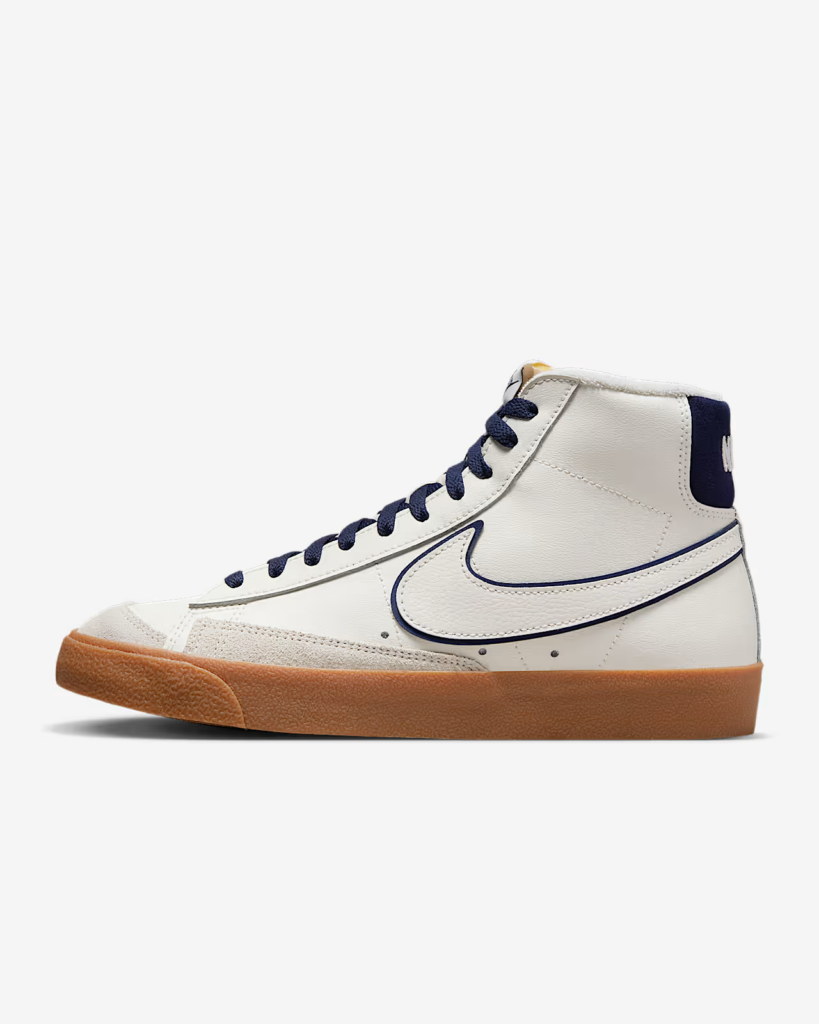
Introduction Nike, a global leader in sports apparel and footwear, continues to reshape the landscape of sports and fashion. Founded in 1964, Nike has consistently pushed the boundaries of innovation, making it a key player in both athletic performance and streetwear culture. With a strong commitment to sustainability and technological advancement, Nike’s developments are not
Introduction
Nike, a global leader in sports apparel and footwear, continues to reshape the landscape of sports and fashion. Founded in 1964, Nike has consistently pushed the boundaries of innovation, making it a key player in both athletic performance and streetwear culture. With a strong commitment to sustainability and technological advancement, Nike’s developments are not only significant for athletes but also resonate deeply within the world of fashion and environmental consciousness.
Recent Innovations and Collaborations
In 2023, Nike launched several groundbreaking products, notably their Nike ISPA (Improvise, Scavenge, Protect, Adapt) collection, which focuses on upcycling materials. This initiative has garnered attention for its environmental sustainability, addressing the growing consumer demand for eco-friendly products. Nike also announced a collaboration with major fashion designer Virgil Abloh’s brand Off-White, releasing a collection that merges high fashion with performance wear.
Nike’s Commitment to Sustainability
This year, Nike has increased its focus on sustainability, setting ambitious goals to reduce carbon emissions and waste across its supply chain. The company aims to have 100% of its products made with sustainable materials by 2025. Their Move to Zero campaign emphasizes the importance of reducing the company’s footprint while also inspiring consumers to engage in eco-friendly practices.
Nike in Sports and Cultural Impact
Nike’s influence goes beyond apparel; their marketing campaigns have become synonymous with cultural movements. Their association with prominent athletes like LeBron James and Serena Williams highlights their commitment to performance excellence and social issues. Recent advertisements tackle themes of inclusivity and empowerment, resonating with a diverse audience and enhancing Nike’s brand loyalty.
Conclusion
As Nike continues to innovate and adapt to changing consumer preferences, its impact on sportswear and culture remains profound. The company’s focus on sustainability, combined with high-profile collaborations, positions it at the forefront of both performance and fashion industries. For consumers, staying updated with Nike’s developments can provide insights into emerging trends in both athletic performance and conscious consumerism. Nike not only shapes how we dress for sports but also plays a crucial role in broader societal discussions surrounding sustainability and fashion.