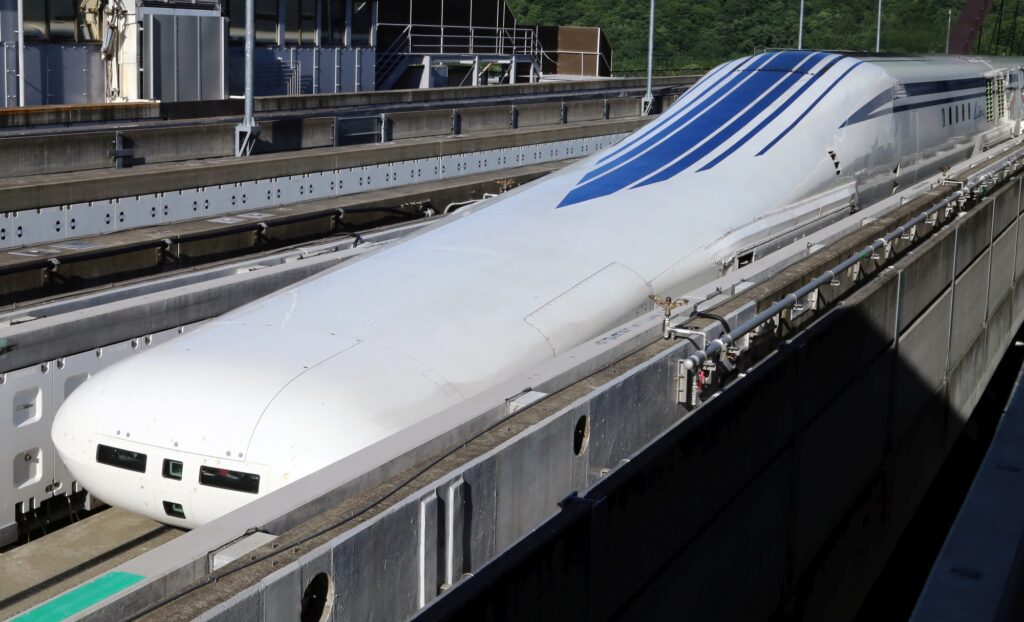
Introduction to Maglev Technology Maglev, short for magnetic levitation, is an innovative transportation technology that is revolutionizing the way people think about travel. By utilizing magnetic forces to lift and propel vehicles, maglev trains promise significantly faster speeds and smoother rides compared to traditional rail systems. As urbanization increases and the demand for efficient transportation
Introduction to Maglev Technology
Maglev, short for magnetic levitation, is an innovative transportation technology that is revolutionizing the way people think about travel. By utilizing magnetic forces to lift and propel vehicles, maglev trains promise significantly faster speeds and smoother rides compared to traditional rail systems. As urbanization increases and the demand for efficient transportation solutions grows, the relevance of maglev technology becomes ever more significant in discussions about the future of transit.
How Maglev Works
Maglev trains operate on the principle of magnetic levitation. This involves powerful superconducting magnets that repel the train from the tracks, allowing for virtually frictionless travel. There are two main types of maglev systems: electromagnetic suspension (EMS) and electrodynamic suspension (EDS). EMS systems use electromagnets to lift the train above the track, while EDS takes advantage of magnetic repulsion to maintain stability and levitation. Both systems allow trains to reach speeds of over 300 miles per hour, making them one of the fastest forms of ground travel available.
Global Adoption and Current Developments
While Japan and China are leading the charge in maglev train development, other countries are catching up. Japan’s Shinkansen maglev system, known as the L0 Series, has set world records for speed and is currently under expansion to connect major cities. Meanwhile, China has established high-speed maglev lines in several metropolises, most notably the Shanghai Maglev, which connects the city to its international airport. In 2023, news broke that several countries, including the United States, are exploring possibilities for integrating maglev technology into their transportation infrastructure as a solution to traffic congestion and environmental concerns.
The Significance of Maglev Technology
The implementation of maglev technology has far-reaching implications not only for travel efficiency but also for the environment. With reduced emissions and energy-efficient travel, maglev trains offer a sustainable alternative to car and airplane travel. Furthermore, they have the potential to reshape urban landscapes, creating new economic opportunities in regions once considered isolated due to poor transportation links. Researchers predict that as technology evolves, maglev systems will become more affordable and widely adopted, further enhancing their role in global transportation networks.
Conclusion
As countries around the world strive for greener, faster, and more efficient transportation systems, maglev technology stands at the forefront of this evolution. With ongoing investments and innovative projects underway, the dream of high-speed maglev travel is closer to becoming a reality for populations worldwide. For readers interested in the future of transport, keeping an eye on developments in maglev technology could unveil a new era of travel, making distant destinations accessible in unprecedented timeframes.