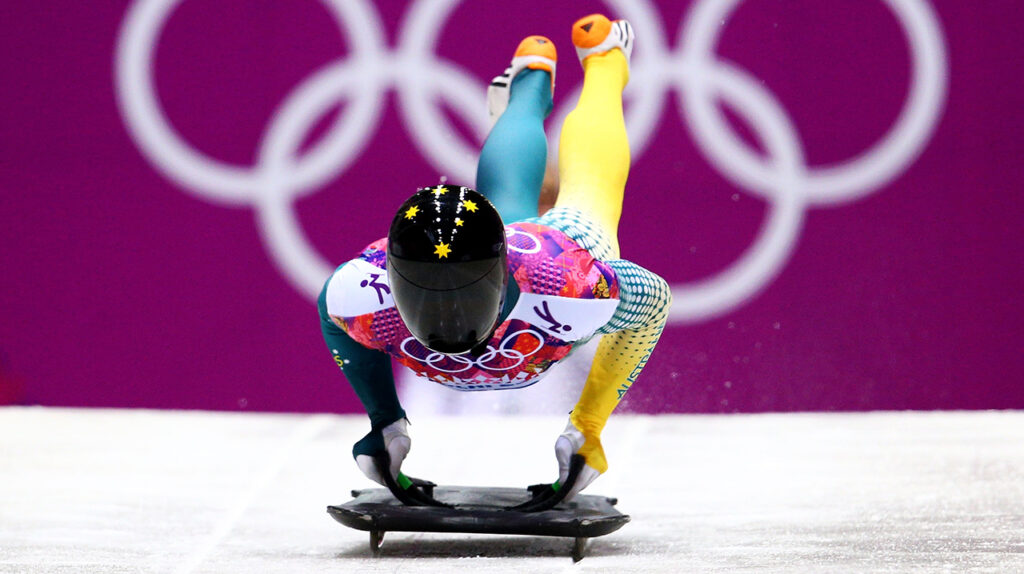
Introduction The Skeleton Olympics is an exhilarating winter sport that combines speed, precision, and the thrill of racing down icy tracks at incredible velocities. This sport has gained significant popularity since its inception in the Olympic Games, and it continues to captivate audiences around the world. As we approach the next Winter Olympics, the interest
Introduction
The Skeleton Olympics is an exhilarating winter sport that combines speed, precision, and the thrill of racing down icy tracks at incredible velocities. This sport has gained significant popularity since its inception in the Olympic Games, and it continues to captivate audiences around the world. As we approach the next Winter Olympics, the interest in skeleton racing, its athletes, and its history is at an all-time high.
What is Skeleton?
Skeleton is a sliding sport that involves an individual racing down a narrow, twisting, ice track on a small, one-man sled. The origins of the sport can be traced back to the late 19th century in Switzerland and it was first introduced to the Olympics in 1928. The race consists of two runs down the track, with the fastest combined time determining the winner.
The Importance of Skeleton in the Olympics
Skeleton is not just about speed; it’s also about athleticism and skill. The athletes must master the art of starting quickly from a standing position, identifying the best racing lines, and navigating the challenging curves of the track. Recent Olympic appearances have seen thrilling competitions, showcasing the talent and determination of athletes from various countries.
Upcoming Olympics and International Competition
As the 2026 Winter Olympics in Milan-Cortina approaches, excitement is building for the skeleton events. Athletes like America’s own Katie Uhlaender, who has competed in multiple Olympics and continues to push the boundaries of what is possible in the sport, are already training rigorously. Additionally, the International Bobsleigh and Skeleton Federation are enhancing their efforts to promote the sport globally, ensuring it remains a staple of the Winter Games.
Conclusion
Skeleton may not be as mainstream as sports like skiing or figure skating, but it holds a unique place in the winter sports pantheon. The combination of raw speed, technique, and nerve makes it a thrilling spectator sport. The stories of athletes persevering through challenges to compete at the highest level enrich the narrative of the Olympics itself. As we look towards the Winter Games in 2026, the skeleton competitions promise to be some of the most exciting events on the slate, drawing in new fans and inspiring future generations of athletes eager to embrace the chill of the ice.