Introduction George Washington, a central figure in American history, is often referred to as the “Father of His Country” for his leadership during the founding of the United States. As the first President, he set numerous precedents that shaped the nation. Understanding Washington’s contributions is crucial, not only for appreciating the past but also for
Introduction
George Washington, a central figure in American history, is often referred to as the “Father of His Country” for his leadership during the founding of the United States. As the first President, he set numerous precedents that shaped the nation. Understanding Washington’s contributions is crucial, not only for appreciating the past but also for recognizing the values and ideals that continue to influence the United States today.
Significant Life Events
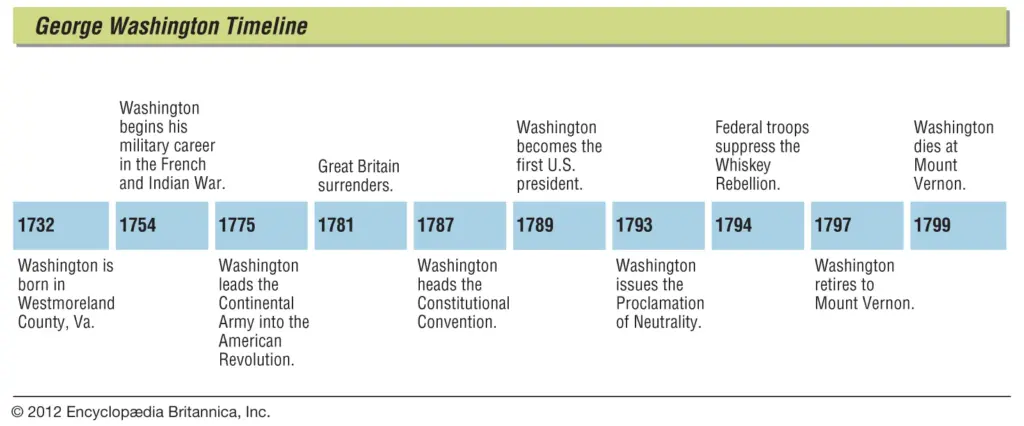
Born on February 22, 1732, in Westmoreland County, Virginia, Washington rose to prominence through his military service during the French and Indian War. He later commanded the Continental Army during the American Revolutionary War, proving himself as a strong leader capable of uniting diverse factions against British colonial rule.
Washington’s military victories, notably the Siege of Yorktown in 1781, were pivotal in securing American independence. Following the war, he was unanimously elected as the first President of the United States in 1789, serving two terms until 1797. His administration laid the groundwork for the new government and established many practices still in use today.
Key Contributions and Policies
During his presidency, Washington faced formidable challenges, including defining the role of the federal government and managing the nation’s financial system. He advocated for the creation of a national bank and emphasized the importance of maintaining neutrality in foreign conflicts through his farewell address. His diplomatic approaches helped avert wars and foster trade relations, particularly with Britain and France.
Enduring Impact
Washington’s legacy extends beyond his presidency. His decision to step down after two terms established a tradition that would last for over 150 years until it was codified in the 22nd Amendment. His leadership style, emphasizing unity and bipartisanship, continues to resonate in contemporary political discourse.
Conclusion
George Washington’s life and leadership have left an indelible mark on the United States. As we reflect on his contributions, it is essential to recognize the values he embodied—such as selflessness, integrity, and dedication to the common good. In a time of deep political division, Washington’s call for national unity and civic responsibility remains as relevant as ever, encouraging current and future generations to strive towards a more perfect union.